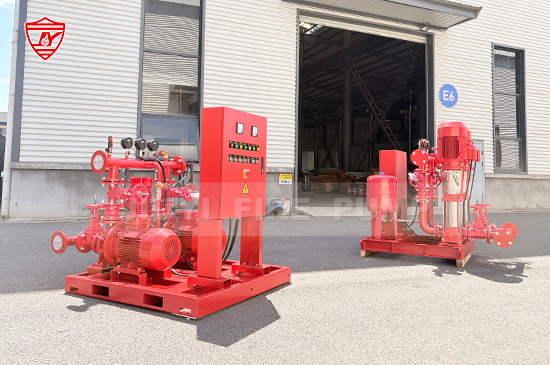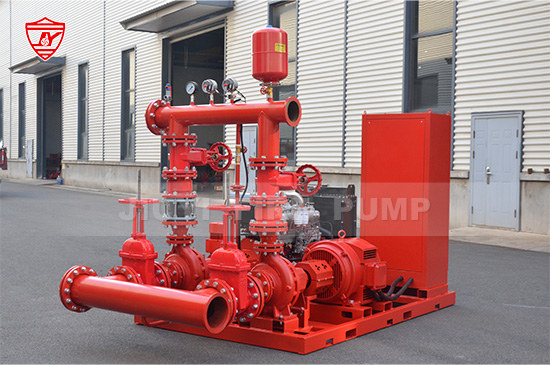
Fire pumps are among the most critical components in any fire protection system. During an emergency, they provide the necessary water pressure and flow to sprinkler systems, standpipes, hydrants, and other firefighting equipment. Because these pumps are expected to operate immediately under extreme conditions, regular inspection and maintenance are essential.
A fire pump annual inspection is a comprehensive evaluation of a fire pump system conducted once every year to ensure the equipment operates safely, efficiently, and in compliance with fire safety standards. The inspection helps identify wear, mechanical problems, electrical issues, corrosion, or performance deficiencies before they lead to equipment failure during a fire emergency.
Annual inspections are a major part of preventive maintenance programs and are typically performed according to NFPA 25 standards, local fire codes, insurance requirements, and manufacturer recommendations.
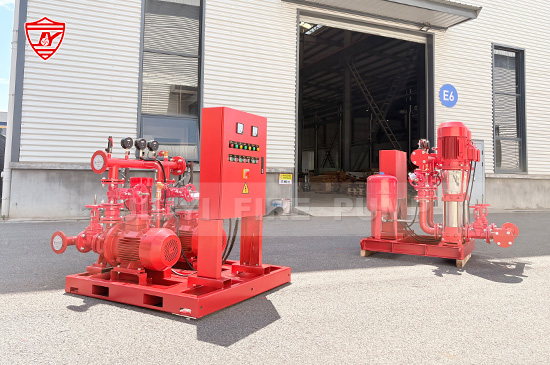
Fire pumps often remain idle for long periods and only operate during weekly tests or actual fire emergencies. Without proper maintenance and inspection, hidden problems can develop over time. These issues may prevent the fire pump from delivering the required pressure and water flow when needed most.
Annual inspections are important because they:
A failed fire pump can lead to severe property damage, business interruption, legal liability, and increased risk to human life. Regular annual inspections significantly reduce these risks.
The most widely recognized standard for fire pump inspection, testing, and maintenance is NFPA 25, Standard for the Inspection, Testing, and Maintenance of Water-Based Fire Protection Systems.
NFPA 25 outlines detailed procedures and frequencies for:
In addition to NFPA 25, inspections may also follow:
Following these standards ensures the fire pump system remains ready for operation at all times.
A complete fire pump annual inspection covers multiple system components. The inspection process goes beyond a simple visual check and includes operational testing and performance verification.
Inspectors evaluate the overall condition of the fire pump, including:
Any unusual noise, overheating, or vibration may indicate internal wear or alignment issues.
The driver powers the fire pump and may be electric motor driven or diesel engine driven.
For electric fire pumps, inspectors check:
For diesel engine fire pumps, inspections include:
Reliable driver performance is critical because the pump cannot operate without sufficient power.
The controller automatically starts the fire pump when system pressure drops.
Annual inspection procedures usually include:
Faulty controllers are one of the most common causes of fire pump system failure.
Inspectors evaluate all connected piping systems for:
Proper water supply is essential for maintaining fire pump performance.
These valves protect the pump from overheating and excessive pressure buildup.
Inspectors verify:
Improperly functioning valves can damage the fire pump during operation.
For diesel fire pump systems, fuel tanks and batteries require special attention.
Inspection items include:
A weak battery or contaminated fuel can prevent the diesel engine from starting during emergencies.
One of the most important parts of the annual inspection is the fire pump flow test, also called performance testing.
This test measures whether the pump can deliver the required pressure and flow according to its design specifications.
The churn test evaluates pump operation without water flow.
Inspectors record:
This test helps identify abnormal operation conditions.
The rated flow test measures performance at 100% pump capacity.
Inspectors verify:
The pump should meet manufacturer performance curves.
This test is usually performed at 150% of rated flow capacity.
It confirms the pump can handle high-demand conditions during a major fire event.
Inspectors compare test results against original factory performance data. Significant deviations may indicate wear, impeller damage, suction problems, or other system issues.
Annual inspections often uncover hidden issues that could affect system reliability.
Some common problems include:
Moisture and environmental exposure can cause:
Corrosion may weaken system components and restrict water flow.
Diesel fire pump systems commonly experience:
Battery failure is one of the leading causes of diesel fire pump starting problems.
Electrical faults may include:
Regular testing ensures automatic starting functions properly.
Over time, seals and bearings may deteriorate due to:
Ignoring these issues can eventually lead to pump failure.
Problems with water supply can reduce fire pump effectiveness.
Inspectors may identify:
Reliable water supply is essential for maintaining required fire protection performance.
Fire pump systems require inspections and testing at different intervals.
Typical schedules include:
Some components may also require long-term maintenance every three, five, or ten years depending on manufacturer recommendations and operating conditions.
Fire pump annual inspections should only be performed by qualified professionals with experience in fire protection systems.
Inspection personnel may include:
Professional inspections ensure accurate testing, proper documentation, and compliance with safety regulations.
Accurate records are essential after completing annual inspections.
Inspection reports typically include:
Maintaining proper documentation helps building owners:
Detailed records also simplify future inspections and troubleshooting.
In addition to annual inspections, building owners can improve system reliability through proactive maintenance practices.
Recommended best practices include:
Working closely with experienced fire pump manufacturers and service providers also helps ensure long-term system performance.
The quality of the fire pump itself plays a major role in inspection performance and long-term reliability. High-quality fire pumps are designed for durability, stable pressure output, and easier maintenance.
When selecting a fire pump manufacturer, customers should consider:
Reliable manufacturers also provide maintenance guidance, inspection support, and technical documentation to help customers maintain system compliance throughout the equipment lifecycle.
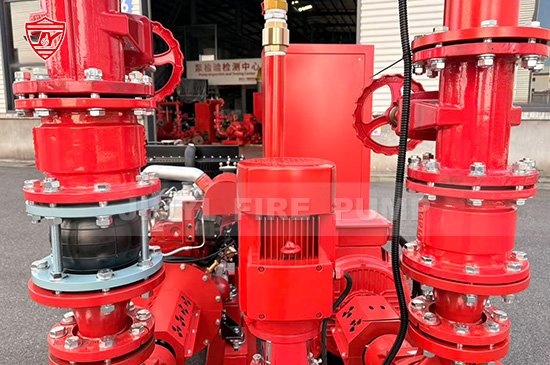
A fire pump annual inspection is a critical process that ensures fire protection systems remain reliable, compliant, and ready for emergency operation. The inspection involves comprehensive testing of pumps, drivers, controllers, piping, valves, fuel systems, and overall performance.
Regular annual inspections help identify hidden problems before they become serious failures, protecting buildings, equipment, and human life. By following NFPA 25 requirements and working with qualified professionals, facility owners can maintain dependable fire protection performance for years to come.