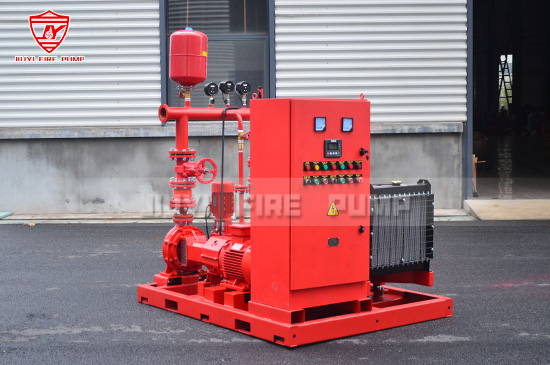
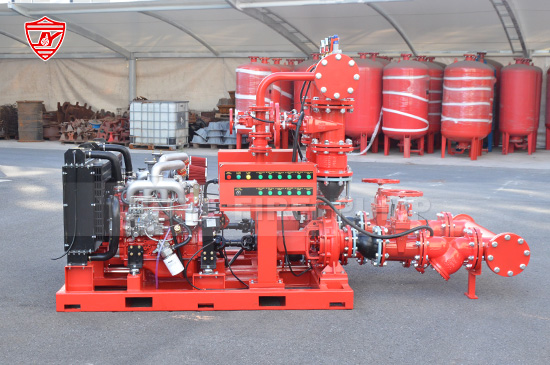
Fire pumps play a critical role in fire protection systems, ensuring reliable water supply when every second counts. However, installing a fire pump is only the first step; maintaining optimal performance is crucial to safeguard lives and property. Fire pump performance optimization is the process of enhancing the efficiency, reliability, and responsiveness of fire pumps to meet design requirements and comply with regulatory standards. In this article, we will explore what fire pump performance optimization entails, why it matters, and how manufacturers, engineers, and facility managers can achieve it.
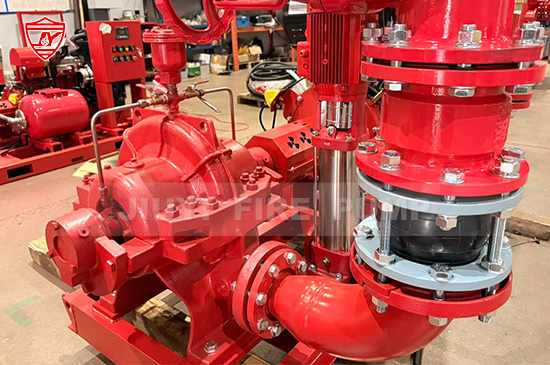
Understanding Fire Pump Performance
To optimize performance, it is essential first to understand what “performance” means in the context of fire pumps. Fire pump performance is typically measured in terms of:
- Flow rate: The volume of water the pump can deliver per minute.
- Pressure: The force at which water is delivered to the fire suppression system.
- Efficiency: The ratio of hydraulic output to energy input, indicating energy consumption versus performance.
- Reliability: The pump’s ability to operate correctly under emergency conditions without failure.
A fire pump that cannot meet its specified flow and pressure requirements can compromise the entire fire protection system. Performance optimization ensures that the pump consistently delivers its rated capacity under various conditions.
Key Objectives of Fire Pump Performance Optimization
- Maximizing Efficiency: Optimized pumps consume less energy while providing the required flow and pressure, reducing operational costs.
- Ensuring Reliability: Regular testing, maintenance, and system monitoring help prevent failures during emergencies.
- Compliance with Standards: Adhering to NFPA 20 and other local regulations ensures the fire protection system meets legal and safety requirements.
- Extending Pump Life: Optimized operation reduces wear and tear, minimizing downtime and repair costs.
- System Integration: Proper coordination with other fire protection components, such as hydrants, sprinklers, and pressure tanks, ensures balanced performance.
Factors Affecting Fire Pump Performance
Several factors influence how well a fire pump performs. Understanding these factors allows engineers to target optimization efforts more effectively:
- Pump Design: The type of pump (electric, diesel, or jockey) and its design characteristics, such as impeller size and rotational speed, directly affect efficiency and reliability.
- Water Supply Conditions: Variations in suction pressure, static water levels, or tank capacity can impact flow and pressure output.
- System Layout: Long pipe runs, multiple bends, and obstructions can create friction losses, reducing the pump’s effective output.
- Operational Practices: Frequent starts and stops, improper valve positions, or inadequate monitoring can degrade performance over time.
- Maintenance Quality: Poor or irregular maintenance can result in worn bearings, seals, or impellers, lowering performance and increasing the risk of failure.
Methods to Optimize Fire Pump Performance
Fire pump performance optimization is a multi-step process involving assessment, adjustment, and monitoring. Here are some widely recommended strategies:
1. Performance Testing
Conducting regular fire pump performance tests is the foundation of optimization. NFPA 20 recommends periodic flow testing to verify that the pump delivers the designed flow and pressure. Testing methods include:
- Flow tests: Measure actual flow versus the rated capacity.
- Pressure tests: Check whether the pump maintains adequate discharge pressure under different loads.
- Churn tests: Evaluate the pump’s behavior when running without flow to ensure safe operation.
These tests identify discrepancies, inefficiencies, and potential issues before they compromise fire protection.
2. Pump System Analysis
A comprehensive pump system analysis examines the interaction between the pump and the fire protection network. Techniques include:
- Hydraulic modeling: Simulating water flow and pressure in the system to detect weak points or inefficiencies.
- Energy audits: Measuring power consumption to identify opportunities for energy savings.
- System balancing: Adjusting valves, pipe sizes, and pressure settings to ensure uniform water distribution.
3. Maintenance Optimization
Maintenance plays a critical role in sustaining peak performance. Key practices include:
- Lubrication checks: Ensuring bearings and moving parts operate smoothly.
- Impeller inspection: Detecting wear, corrosion, or cavitation that may reduce flow.
- Seal replacement: Preventing leaks and maintaining suction pressure.
- Motor and engine tuning: Optimizing electric motors or diesel engines for peak efficiency.
Preventive maintenance schedules help reduce emergency repairs and extend pump service life.
4. Advanced Monitoring and Controls
Modern fire pump systems often incorporate smart monitoring and control technologies, allowing continuous performance optimization. Features include:
- Pressure sensors: Detect fluctuations and automatically adjust pump speed.
- Flow meters: Track water delivery to ensure compliance with design specifications.
- Remote monitoring: Enable facility managers to assess pump performance in real-time.
- Alarm integration: Trigger alerts for unusual readings, potential failures, or required maintenance.
These technologies ensure that pumps operate efficiently and reliably, even under changing conditions.
5. Retrofit and Upgrade Options
For older or underperforming pumps, retrofitting or upgrading components can significantly improve performance. Common upgrades include:
- High-efficiency impellers: Enhance flow and reduce energy consumption.
- Variable frequency drives (VFDs): Allow precise control of pump speed and pressure.
- Modern control panels: Improve response time and monitoring capabilities.
- Enhanced materials: Improve resistance to corrosion, cavitation, or mechanical wear.
Investing in upgrades can deliver long-term savings while improving system reliability.
Benefits of Fire Pump Performance Optimization
Implementing performance optimization delivers several tangible benefits:
- Improved Safety: Optimized pumps deliver consistent water supply, ensuring effective fire suppression.
- Energy Savings: Efficient pumps consume less power, reducing operational costs and environmental impact.
- Regulatory Compliance: Helps facilities meet NFPA and local fire code requirements.
- Reduced Downtime: Proper maintenance and monitoring prevent unexpected failures.
- Extended Equipment Life: Reduced mechanical stress prolongs pump and system component life.
These advantages highlight why performance optimization is not just a technical requirement but also a strategic investment for facility safety and cost management.
Implementing Fire Pump Optimization in Practice
Optimizing fire pump performance requires collaboration between manufacturers, engineers, and facility managers. Key steps include:
- Initial Assessment: Evaluate existing pump performance against design criteria.
- Testing and Monitoring: Conduct flow and pressure tests, and implement monitoring systems.
- Maintenance Plan: Develop preventive and predictive maintenance schedules.
- System Upgrades: Retrofit or replace components as needed for efficiency and reliability.
- Continuous Improvement: Periodically review performance data and adjust operations to meet evolving requirements.
By following a structured approach, facilities can ensure that their fire pump systems are always ready to perform when emergencies arise.
Conclusion
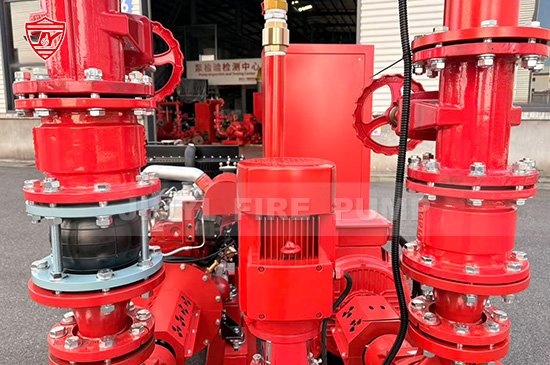
Fire pump performance optimization is a critical process that goes beyond installation. It involves testing, maintenance, monitoring, and system adjustments to ensure pumps operate at maximum efficiency and reliability. Optimized fire pumps not only safeguard lives and property but also reduce energy consumption, extend equipment life, and ensure regulatory compliance.
For manufacturers, facility managers, and fire protection engineers, prioritizing fire pump performance optimization is an essential step in creating resilient and efficient fire protection systems. By understanding the factors that influence performance and implementing best practices, organizations can achieve optimal results and maintain a high standard of fire safety.

.jpg)