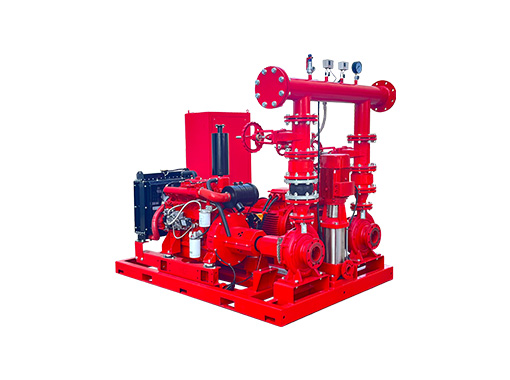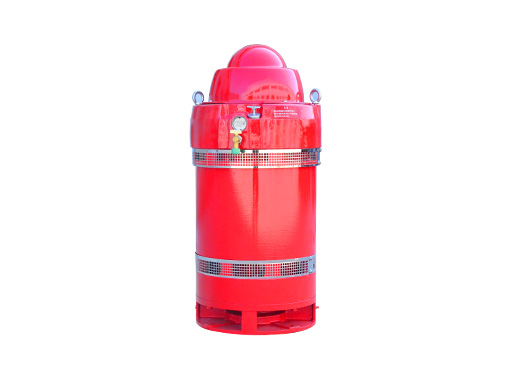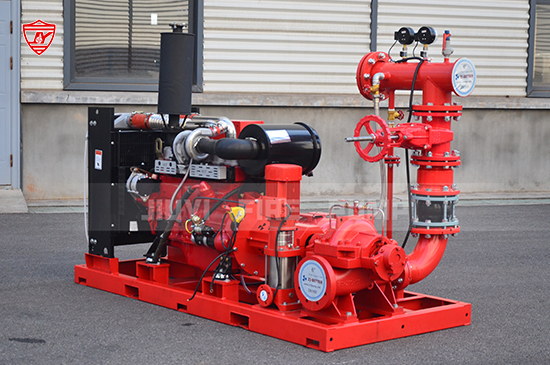
Fire emergencies rarely happen at convenient times. In many real scenarios, fires strike exactly when a facility’s electrical system is under stress—storms, grid failures, equipment faults, or natural disasters that trigger blackouts. During these moments, the reliability of a fire pump becomes the last line of defense for property and human life. Yet even in well-equipped buildings, there are documented cases of fire pump failure during power outages. The consequences can be catastrophic, leading to insufficient water pressure, delayed fire suppression, or total system shutdown.
As a manufacturer of fire pumps, we frequently encounter the same question from consultants, contractors, and facility owners: “Why would a fire pump fail during a power outage, and how can we prevent it?” The answer is a combination of electrical design issues, mechanical vulnerabilities, installation mistakes, and maintenance oversights. Understanding these root causes is critical for anyone responsible for fire protection.
This article explores the main reasons fire pumps fail during power outages and provides practical engineering and operational strategies to ensure system reliability when it matters most.
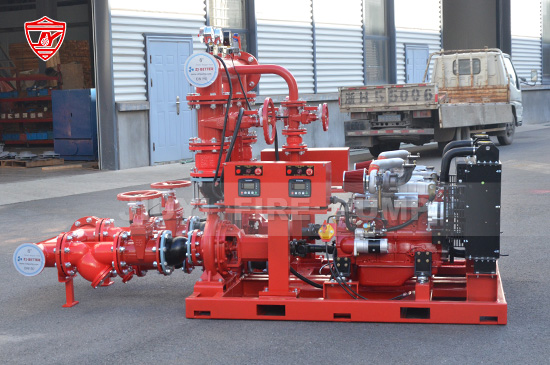
One of the most common reasons an electric fire pump fails during a blackout is the absence of a secondary or emergency power source. Many older buildings were designed with only one electrical feed powering the fire pump controller. When this single feed loses power, the fire pump has no ability to start.
NFPA 20 outlines strict requirements for fire pump power sources, yet many installations do not follow them entirely—especially in regions where standards are not consistently enforced. Relying on a single utility line may appear cost-effective during construction, but it exposes the building to enormous risk.
Typical problems include:
No standby generator connected to the fire pump
Transfer switch failure
Loose or corroded power connections
Utility power instability during storms
The solution is straightforward: ensure that every fire pump has at least one reliable secondary power option—either a diesel engine fire pump or a properly sized emergency generator.
Many facilities believe they are protected simply because a generator exists. Unfortunately, generators themselves commonly fail during power outages. In many cases, the pump is fully functional, but the generator fails to deliver the required electrical power.
Why generator failures happen:
Low fuel or contaminated diesel
Battery failure preventing startup
Poor synchronization with the fire pump controller
Generator undersized for the fire pump’s locked-rotor current
Lack of routine load testing
Fire pumps require a very high inrush current when starting. If a generator is not sized according to NFPA 110 or if the alternator cannot handle the momentary surge, the generator may stall or trip, causing total fire pump failure.
This is one reason many consultants recommend diesel engine fire pumps as a highly reliable backup solution. Unlike generators, diesel pumps start independently and are not dependent on external electrical power.
Even when a backup power source is available, fire pumps may fail due to electrical design issues. Proper sizing of cables, breakers, transfer switches, and controllers is essential for fire pump reliability. Undersized electrical parts cannot handle the high starting current of fire pumps, especially during emergency switching.
Common mistakes include:
Using non-fire-rated cables for pump feeders
Installing standard-duty breakers instead of fire pump-rated components
Incorrect conductor sizing resulting in voltage drop
Using general-purpose VFDs or soft starters not certified for fire pumps
Voltage drop is a particularly overlooked issue. If the voltage delivered to the fire pump controller drops too low during the outage transition, the motor may fail to start or trip repeatedly. This is especially common in large facilities with long cable runs.
Correct electrical engineering, proper cable routing, and certified NFPA-compliant equipment eliminate most of these risks.
Even if electrical power is delivered correctly, mechanical issues can stop a fire pump from operating during an emergency. Many mechanical failures are preventable but occur due to poor maintenance, irregular testing, or improper storage conditions.
Major mechanical causes of pump failure include:
Seized bearings from lack of lubrication
Corroded pump shafts
Misalignment between pump and motor
Coupling damage
Clogged suction strainers or blocked water supply
Air leaks in the suction line for vertical turbine fire pumps
Weekly and monthly fire pump testing is not optional—it is essential to ensure the pump will operate during a power outage. A fire pump that has not been exercised for months is far more likely to fail mechanically when suddenly called upon in an emergency.
Diesel fire pumps are specifically designed to run during power outages, yet they can still fail if not properly maintained. More than 60% of diesel fire pump failures are related to starting mechanisms.
Common diesel starting problems include:
Weak or dead batteries
Battery charger malfunction
Air in the fuel system
Clogged filters
Coolant system failure
Low-quality fuel or microbial contamination
Diesel engines also require correct ventilation for combustion. In enclosed pump rooms, inadequate airflow can reduce engine power output, causing the pump to underperform during critical moments.
To ensure reliability, diesel pumps must undergo weekly automatic start tests and monthly load tests based on NFPA 25.
The controller is the “brain” of the fire pump system. During a power outage, it must automatically detect the pressure drop and start the pump instantly. However, controller malfunctions are a common cause of fire pump failure.
Frequent controller issues include:
Faulty pressure sensing lines
Incorrect pressure settings
Loose internal wiring
Corrosion inside the panel
Faulty relays or contactors
Improper installation by non-certified technicians
A controller may appear functional during manual tests but fail during an actual emergency due to automation faults. For this reason, controllers must be tested under real pressure-drop conditions, not only manually.
Power outages often accompany storms, earthquakes, floods, or system failures that can compromise the water supply. A fire pump may start correctly but fail to deliver the required pressure if water availability is limited.
Possible water-related failures include:
Suction tank running low
Blocked suction lines
Sediment buildup at tank outlets
Municipal mains losing pressure during blackouts
Air pockets in vertical turbine suction pipes
Gate valves partially closed or rusted
Water supply reliability is just as important as electrical reliability. Even a perfectly functioning pump cannot compensate for a blocked or insufficient water source.
Extreme weather conditions accompanying power outages can impact fire pump performance. Heavy storms may cause flooding of pump rooms, while wildfires can lead to high ambient temperatures.
Environmental issues include:
Flooded pump room causing electrical shorts
Frozen pipes during winter outages
Overheating of motors or diesel engines
High humidity causing corrosion
Dust ingestion in diesel engines
Locating the pump room above flood level and ensuring proper environmental protection dramatically reduces these risks.
Human error is one of the most overlooked factors. During a power outage, people may unintentionally disable fire pump features or make incorrect decisions under stress.
Examples include:
Switching controllers to manual mode and forgetting to revert them
Resetting alarms without identifying the root cause
Shutting down diesel pumps due to noise or vibration, assuming a malfunction
Failing to transfer the generator load to the correct power bus
Training and clear emergency procedures greatly reduce human-related failures.
The biggest underlying cause of all failures is insufficient testing. Many fire pump systems only undergo basic flow testing or pressure reporting. However, an actual power outage scenario is rarely simulated.
A complete reliability test must include:
Full-loss-of-power simulation
Generator start and transfer testing
Automatic controller response
Diesel engine cold start test
Water supply check
Electrical load monitoring
NFPA 25 emphasizes that fire pumps must be tested under actual conditions, not assumptions.
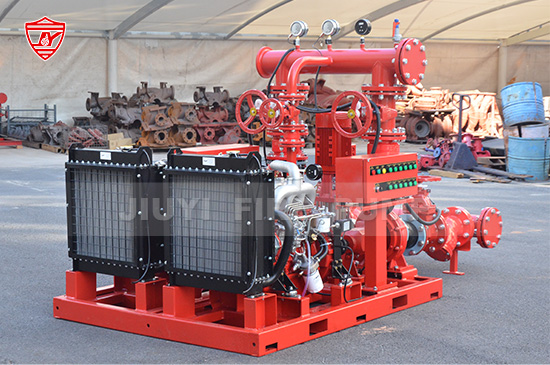
To maintain a reliable fire protection system, facility owners and engineers should adopt a comprehensive approach focusing on both equipment quality and operational discipline.
Key strategies:
Install redundant power sources following NFPA 20.
Conduct monthly generator load tests.
Use UL/FM-approved fire pump controllers and components.
Perform weekly automatic start tests for diesel pumps.
Maintain clean fuel and replace filters regularly.
Inspect and clean suction supply lines.
Ensure pump rooms are protected from flooding or extreme temperatures.
Train staff on emergency procedures and system operation.
Conduct annual full-flow and full-power outage simulations.
Work with certified fire pump manufacturers and installers.
Following these best practices ensures that fire pump systems operate reliably, even under the worst power outage scenarios.