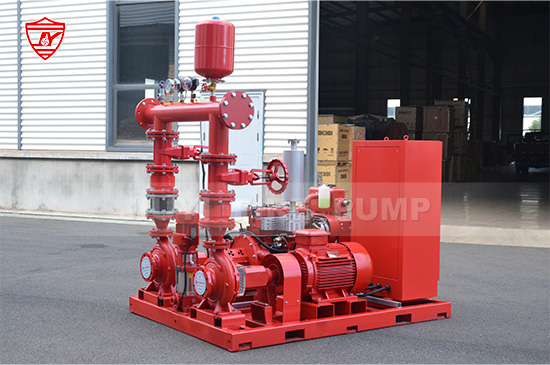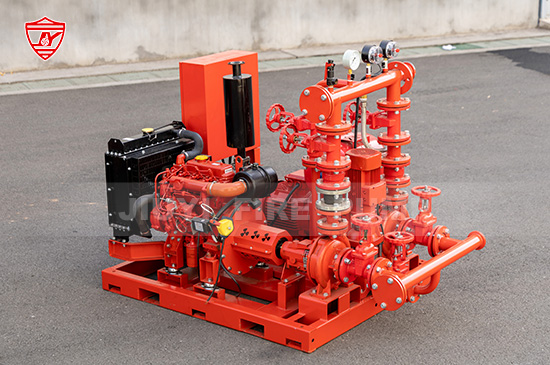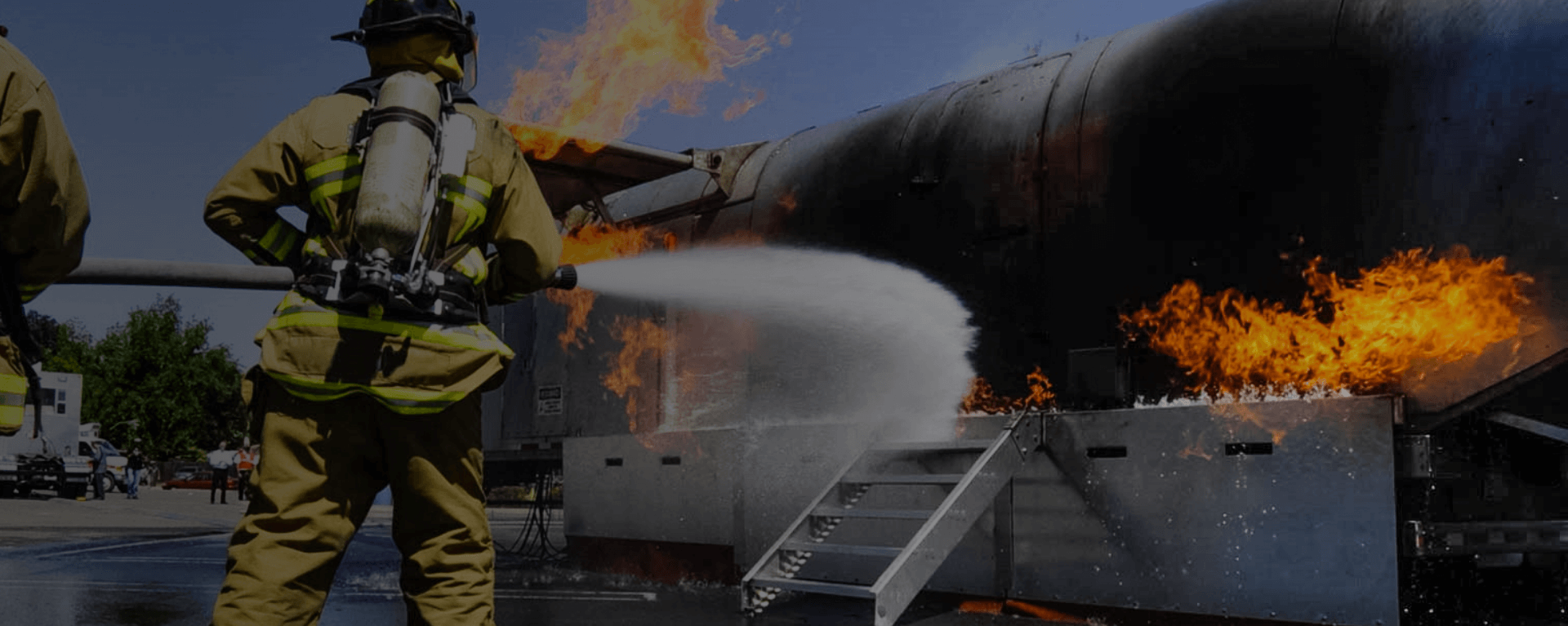
Fire pumps are the core of a building’s fire protection system, ensuring reliable water delivery during emergencies. While many facility managers focus on pump performance, flow rate, and NFPA 20 compliance, a frequently overlooked issue is the rapid wear of fire pump seals. Mechanical seals are designed to operate for years, yet in environments with poor water quality, they often fail much earlier than expected. The result is leakage, reduced pump efficiency, unplanned shutdowns, and expensive repairs. For fire safety engineers, installers, and building owners, understanding how water quality affects seal life is essential to maintaining system reliability.
Poor water quality is one of the most common—and preventable—factors that reduce the lifespan of fire pump seals. This article explains in detail why seals wear out faster when the water source contains high levels of impurities, corrosive substances, or abrasive particles. It also offers practical guidance for improving water quality, choosing the right fire pump materials, and extending the working life of your pump seals.
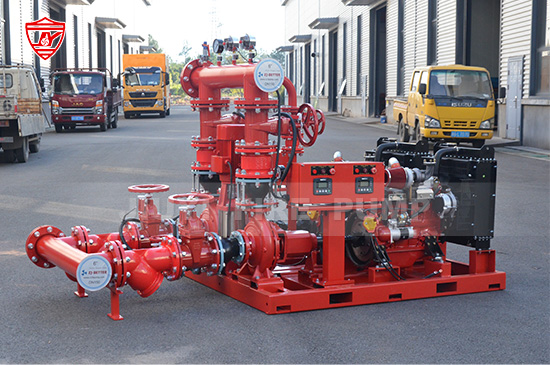
Mechanical seals are installed around the rotating shaft of the fire pump’s impeller assembly. Their job is simple but critical: prevent water from leaking out while allowing the shaft to rotate at high speed. These seals operate under pressure, temperature fluctuations, and hydraulic forces. A properly sized, correctly installed seal can function for thousands of hours without failure.
However, seals are extremely sensitive to water contamination. Even small impurities can quickly cause friction, abrasion, and heat buildup. Because fire pumps often sit idle for long periods, contaminants can settle, harden, or corrode components, making seals more vulnerable during the pump’s first start-up. Poor water quality magnifies every point of stress in the sealing system.
One of the most direct causes of seal wear is the presence of abrasive particles such as sand, silt, rust flakes, or dirt. Many fire pump systems—especially those drawing water from tanks, lakes, rivers, or untreated municipal supplies—experience periods of high debris concentration.
When abrasive particles enter the pump:
They lodge between the rotating and stationary faces of the seal.
They act like sandpaper, scoring and scratching the surfaces.
Seal faces lose smoothness, increasing friction and heat.
Micro-grooves form, allowing leakage to begin.
As leakage grows, more particles rush in, accelerating damage.
This abrasive cycle can completely destroy a seal within weeks or months, even if the pump operates only occasionally.
Abrasive wear is especially common in diesel engine fire pumps and vertical turbine fire pumps because these models often draw from open water sources or underground wells with high sediment content. Without filtration or pre-cleaning, seals are subjected to constant mechanical attack.
Mechanical seals are typically made of carbon, ceramic, silicon carbide, or tungsten carbide. While these materials are corrosion-resistant, they are not immune to chemical degradation.
Water with poor chemical balance can cause:
Corrosion of seal faces
Degradation of seal elastomers
Pitting on metal surfaces
Chemical swelling of rubber components
Loss of sealing integrity over time
Common sources of corrosive water include:
High chloride content in coastal or industrial regions
Contaminated storage tanks
Water treated with harsh chemicals
Untreated groundwater with acidic pH
Water with high mineral concentration
When corrosive chemicals attack the seal, the surfaces become uneven and brittle. Elastomers (such as O-rings) can lose elasticity, crack, or warp, creating pathways for leakage. Once chemical damage begins, the seal can fail rapidly.
Rust and mineral scale are major threats to fire pump seal longevity. As water moves through pipes, tanks, and valves, it can carry:
Iron oxide flakes
Calcium and magnesium deposits
Hard scale particles from old pipelines
Residue from corroded steel tanks
These contaminants do not only affect the seal itself—they also damage the entire pump:
Scale increases friction between rotating parts
Rust particles accumulate inside the seal chamber
Build-up restricts proper lubrication of seal faces
Deposits cause misalignment or improper seal seating
In fire pumps, seal lubrication depends on a thin film of water. If this water contains scale or rust, the lubrication film becomes abrasive instead of protective. Over time, seals overheat, lose alignment, and begin to leak.
Although less discussed, microbiological contamination is another cause of premature seal failure. Water containing bacteria such as sulfate-reducing bacteria (SRB) can produce acids that corrode metal and elastomers. Microbial growth inside water tanks or pipelines forms slimy layers (biofilms) that interfere with seal lubrication and influence corrosion processes.
When bacteria break down organic matter, they create by-products that coat the seal faces and reduce sealing efficiency. This is especially problematic in stagnant water conditions, where fire pumps do not operate regularly and water remains still for long periods.
Good water quality helps maintain consistent temperature around the seal. When particles or contaminants disrupt the fluid film, friction increases, producing heat. Excessive heat is one of the fastest ways to destroy a mechanical seal.
Heat build-up causes:
Thermal cracking
Warped seal faces
Burned elastomers
Loss of lubrication
Sudden catastrophic seal failure
If the pump starts during an emergency when heat build-up is already severe, the seal may fail instantly under load. For critical fire protection systems, this is a major risk.
Poor water quality often goes hand-in-hand with fluctuating water levels, sediment movement, or air pockets. These conditions increase the risk of cavitation—tiny vapor bubbles that collapse violently inside the pump. Cavitation can erode impellers, damage casings, and shake the seal area with intense vibration.
Vibration is a primary enemy of mechanical seals. Even slight vibration can:
Unseat the seal faces
Loosen gland bolts
Wear down the secondary sealing components
Increase leakage paths
As cavitation worsens, the impact forces can crack seal rings or shatter brittle materials.
Fire pump seals are supported by shaft sleeves, which protect the shaft from direct contact with water. In contaminated water, abrasive and corrosive particles attack the sleeve just as aggressively as the seal.
A damaged sleeve leads to:
Misalignment of the seal
Wobbling of the rotating assembly
Deep scoring that prevents proper sealing
Frequent need for replacement
If poor water quality is not corrected, replacing seals alone will not solve the problem—the shaft sleeve will continue to degrade, leading to repeated failures.
The good news is that most water quality–related seal failures are preventable. Implementing the following steps can dramatically extend seal life and improve system reliability.
Using strainers, sand separators, or multi-stage filters can remove sediment and abrasive particles before water enters the pump. filtration is essential for vertical turbine pumps and pumps using untreated water sources.
Storage tanks should be inspected for rust, scale, and microbial growth. Cleaning the tank annually helps reduce contaminants that damage pump seals.
In aggressive water environments, seals made with Silicon Carbide vs. Carbon combinations or Tungsten Carbide options provide far better durability. Elastomer selection should match the chemical profile of the water.
Regular water testing helps detect excessive acidity, alkalinity, mineral content, and corrosion risks. Balanced water reduces the likelihood of chemical attack on seals.
Test runs help flush contaminants, prevent bacterial growth, and maintain lubrication inside the seal chamber. NFPA 25 recommends weekly churn tests for this reason.
Stainless steel components resist rust, scale, and chemical degradation better than mild steel. Upgrading materials may save significant maintenance costs.
Ensure proper NPSH, maintain stable water levels, and eliminate air leaks to reduce cavitation-related seal damage.
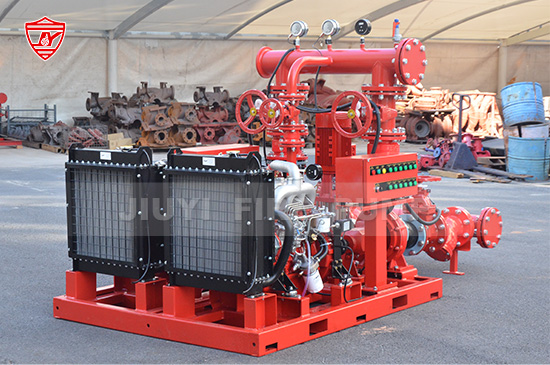
Fire pump seals are essential to ensuring the pump operates reliably during emergencies. Yet many premature seal failures can be traced back to one issue: poor water quality. Abrasive particles, chemical imbalance, corrosion, bacterial contamination, and cavitation all accelerate mechanical seal wear. By improving water quality, selecting the right materials, and performing regular maintenance, facility managers and fire protection engineers can significantly extend seal life, reduce system downtime, and avoid costly repairs.