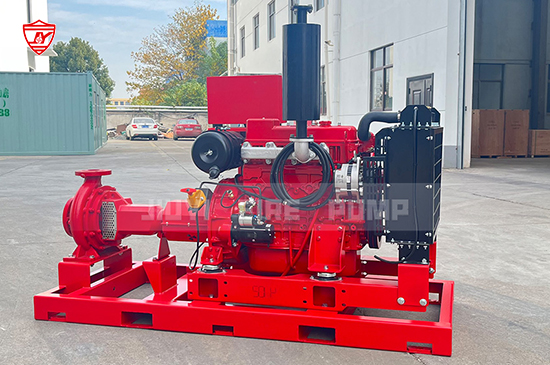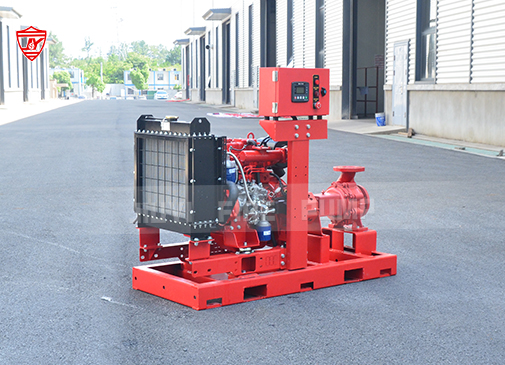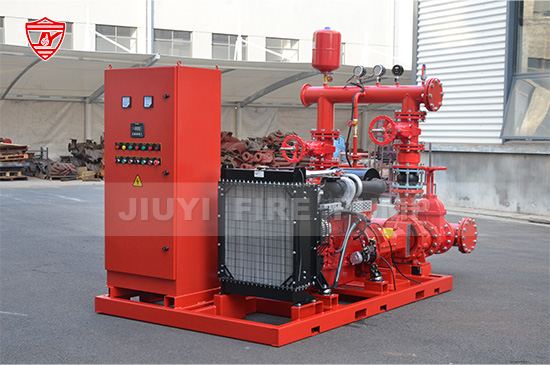
Fire pumps are integral to the operation of fire protection systems, providing the necessary water flow and pressure for suppressing fires in buildings, facilities, and industrial complexes. However, just like any mechanical system, fire pumps are susceptible to failure. These failures can have catastrophic consequences, leading to inadequate fire suppression and putting lives and property at risk.
Understanding the common causes of fire pump failures can help building owners, fire safety professionals, and maintenance teams to take proactive steps to prevent them. In this article, we will explore the most frequent causes of fire pump failures, the impact of these failures, and the best practices for maintaining fire pumps to ensure they perform optimally when needed.
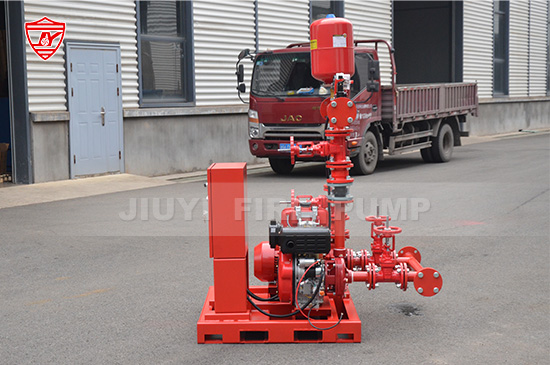
One of the leading causes of fire pump failures is the absence of proper maintenance. Fire pumps, especially those that are used infrequently, may experience corrosion, wear, or mechanical issues if not maintained regularly. The pump’s components, such as the impeller, seals, valves, and bearings, must be inspected and tested periodically to ensure they are in working condition.
Key Points to Prevent Failure:
Regular maintenance can prevent pump malfunctions due to clogged filters, worn-out parts, and mechanical failures that could otherwise compromise fire protection efforts.
Fire pumps rely on electricity or a diesel engine to operate. Any issues with the power supply, such as an electrical outage, faulty wiring, or inadequate fuel for the diesel engine, can render the fire pump useless when it is needed most.
Electrical issues are particularly problematic because they may not be detected until an emergency arises. Diesel-powered pumps can also fail due to fuel contamination, airlock, or low fuel levels.
Key Points to Prevent Failure:
By maintaining a reliable power supply, you reduce the risk of fire pump failure due to power-related issues.
Improper installation of fire pumps is another significant cause of failures. This can involve anything from incorrect pipe sizing to improperly placed pump components. If the fire pump system is not set up according to manufacturer specifications, it could lead to inefficiencies or even system failure when pressure is required.
Key Points to Prevent Failure:
Proper installation ensures that the fire pump operates efficiently and meets the required fire protection standards.
Cavitation occurs when there is a rapid formation and collapse of vapor bubbles in a pump, usually caused by insufficient water supply, too high suction pressure, or improper pump operation. Cavitation can cause severe damage to the pump components, including erosion of the impeller and housing.
Key Points to Prevent Failure:
Taking preventive measures against cavitation can protect the fire pump from significant wear and tear and ensure reliable performance.
Corrosion, especially in environments with high humidity or exposure to chemicals, can deteriorate the fire pump's metal components over time. This can weaken the pump and lead to leaks, reduced efficiency, and potential failure.
Wear and tear from regular use, improper lubrication, or dirt buildup can also contribute to pump failure, especially if critical components such as bearings and seals are not regularly inspected and maintained.
Key Points to Prevent Failure:
By taking these precautions, you can extend the lifespan of the fire pump and minimize the risk of corrosion-related failures.
Valves and piping are essential parts of a fire pump system. Malfunctions such as valve failure, pipe blockages, or leaks can affect the pump’s ability to deliver the required pressure and flow.
Clogs and leaks often develop over time, especially if the system has not been properly maintained or if debris enters the system. The system's valves can become stuck or leak, leading to inadequate water flow during an emergency.
Key Points to Prevent Failure:
Maintaining the integrity of valves and piping ensures that the fire pump system remains efficient and can provide the required performance in an emergency.
If a fire pump is not properly sized for the building or facility, it will fail to meet the required pressure and flow rates during a fire emergency. An undersized pump will struggle to provide adequate water flow, while an oversized pump can lead to inefficiencies, higher energy consumption, and potential system failure due to overloading.
Key Points to Prevent Failure:
Correct sizing of the fire pump system is critical for ensuring adequate fire protection.
Fire pump systems should be equipped with monitoring and alarm systems to detect failures early. These systems can alert building owners or fire protection personnel if the pump is not functioning properly or if there is a loss of water pressure.
Without these monitoring systems, it may be too late to fix the issue when an emergency arises.
Key Points to Prevent Failure:
Effective monitoring and alarm systems help detect problems before they become emergencies.
Each fire pump manufacturer provides specific guidelines and maintenance schedules that need to be followed to ensure optimal performance. Failing to adhere to these guidelines can lead to premature wear, system inefficiencies, or even catastrophic failures.
Key Points to Prevent Failure:
By sticking to the manufacturer’s guidelines, you can significantly reduce the risk of fire pump failure.
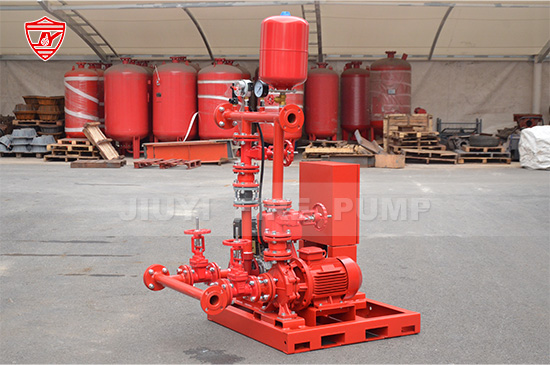
Fire pump failures are often preventable with proper installation, maintenance, and monitoring. By understanding the most common causes of fire pump failures, building owners and fire protection professionals can take proactive steps to prevent these issues. Regular inspections, maintenance, and testing are essential for ensuring that the fire pump is ready to perform when it matters most.
A reliable fire pump is a critical component of any fire protection system, and addressing these potential failure points can help ensure the safety of occupants and protect valuable property from fire damage.