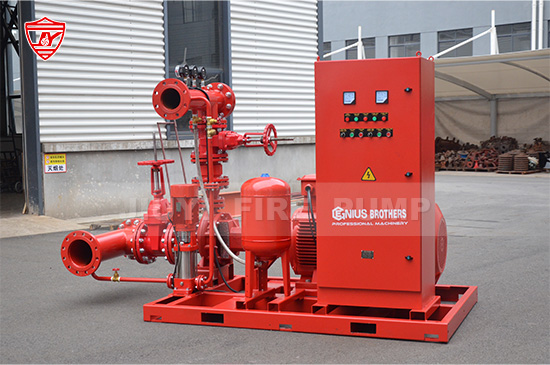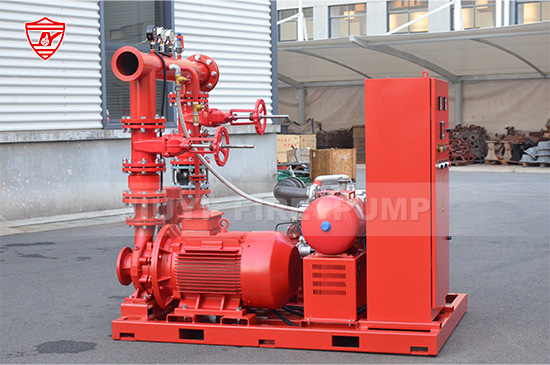
A fire pump is a critical component in fire protection systems, providing the necessary pressure to supply water for firefighting operations. When a fire pump fails to provide adequate pressure, the consequences can be disastrous. A lack of pressure can render your entire fire suppression system ineffective during a fire emergency, potentially causing significant damage to life, property, and business operations.
If you're experiencing insufficient pressure from your fire pump, there are a number of possible causes and solutions. This article will guide you through the troubleshooting process to identify the root cause and address the problem efficiently.
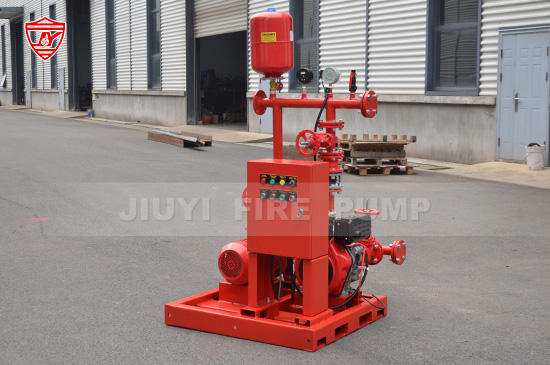
Before diving into troubleshooting, it's essential to understand why the correct pressure is crucial for your fire pump system. The fire pump’s role is to provide the necessary water pressure for sprinklers, hydrants, and hose connections in fire suppression systems. Insufficient pressure means that water cannot reach the desired areas in a timely manner, potentially delaying or even preventing effective fire control.
The typical operational pressure for most fire pumps varies depending on the system design but usually falls between 40 psi and 175 psi (pounds per square inch). Any deviation outside of this range requires immediate attention.
The first step when experiencing low pressure in your fire pump is to inspect the system for any obvious issues. Here are a few things to check:
Once you've confirmed that there’s no immediate mechanical or electrical fault with the fire pump system, it’s time to consider some common causes of low pressure in fire pumps. Let’s explore these in detail:
a) Airlocks in the System
Airlocks occur when air is trapped inside the fire pump or piping system. When air is present, it displaces water and reduces the efficiency of the pump, causing a drop in pressure. To resolve this, you’ll need to bleed the air from the system. Follow the manufacturer’s instructions for venting air from the pump and pipes.
b) Leaks in the System
Leaking pipes, valves, or seals can cause a drop in pressure within the system. Even a small leak can cause a significant reduction in pressure, especially if it is near the pump's discharge valve or suction line. Inspect the entire system for any leaks and fix them promptly to restore normal pressure levels.
c) Clogged Suction Strainer
A clogged suction strainer can obstruct the flow of water to the pump, resulting in reduced pressure. The suction strainer is designed to filter out debris from the water before it enters the pump. If it becomes clogged, the water supply to the pump is restricted, causing a loss of pressure. Clean or replace the suction strainer as needed.
d) Valve Malfunctions
Fire pump systems typically include several valves to control the water flow. If any of these valves are closed or malfunctioning, it can impede water flow and reduce pressure. Ensure that all control valves are fully open and functioning as intended.
e) Pump Cavitation
Cavitation is a common issue that can severely damage a fire pump if left unchecked. It occurs when the pressure inside the pump falls below the vapor pressure of the liquid, causing vapor bubbles to form. These bubbles can collapse and damage the internal components of the pump, leading to reduced pressure. Cavitation can be caused by insufficient water supply, improper valve operation, or air in the pump system.
To prevent cavitation, ensure that the pump is receiving enough water and that all components are in good working order. Additionally, check for any blockages in the intake line that may be causing low flow rates.
If none of the initial checks reveal the cause of the problem, the next step is to examine the individual components of the fire pump system.
a) Impeller Damage or Wear
The impeller is responsible for creating the pressure and flow in the pump. Over time, the impeller can become worn or damaged due to prolonged use, corrosion, or the presence of debris. If the impeller is damaged, it may fail to generate sufficient pressure. Inspect the impeller for signs of wear and replace it if necessary.
b) Pump Bearings and Shaft
Worn bearings or a damaged shaft can cause mechanical inefficiencies, leading to a decrease in the pump’s ability to produce adequate pressure. If you suspect an issue with the bearings or shaft, they should be replaced or repaired by a professional.
c) Motor or Engine Issues
If your fire pump is powered by an electric motor or diesel engine, any failure in the motor or engine can result in low pressure. Check for any issues with the motor’s wiring, electrical components, or fuel supply. For diesel-powered pumps, ensure the fuel is clean and free from water or contaminants.
Preventive maintenance is the key to ensuring that your fire pump operates at optimal pressure. Neglecting regular maintenance can lead to issues such as reduced pressure, equipment failure, and system downtime. A good maintenance routine should include:
It’s recommended to follow a maintenance schedule that complies with the manufacturer’s guidelines. In some cases, this may include monthly or quarterly testing of the system and performing more comprehensive checks annually.
If you’ve gone through the above troubleshooting steps and are still unable to restore proper pressure, it may be time to call in a professional fire pump technician. Fire pump systems are complex, and diagnosing and repairing certain issues can require specialized knowledge and equipment.
A trained technician can carry out a thorough inspection of the system, identify any underlying issues, and perform repairs or replacements as necessary. Additionally, they can provide you with valuable advice on maintaining the system to prevent future pressure problems.
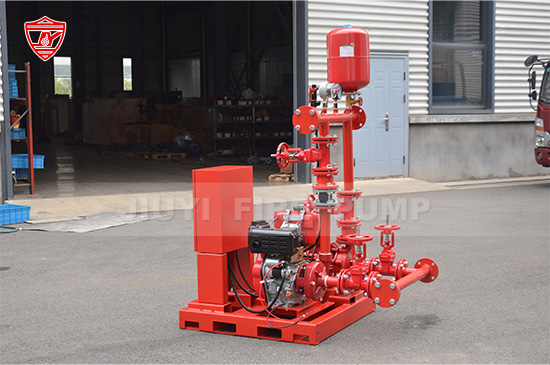
Low fire pump pressure is a serious issue that should never be ignored. Whether caused by airlocks, leaks, clogged filters, or pump failure, insufficient pressure can compromise your fire protection system and put your property and lives at risk. Regular inspections, timely maintenance, and quick troubleshooting can help you restore proper pressure and keep your fire pump in top condition.
By following the troubleshooting steps outlined in this article and addressing any issues promptly, you can ensure that your fire pump system will continue to perform effectively and provide the necessary water pressure for fire suppression in an emergency. If you are unsure about any of the troubleshooting steps or the condition of your fire pump, it’s always best to consult with a professional to avoid further complications.
.jpg)