
In the realm of fire protection systems, ensuring that fire pumps are functioning properly after installation is of paramount importance. Fire pumps are critical to maintaining pressure and delivering water throughout a building’s fire protection system, especially in the event of a fire. Without a fully operational fire pump, the entire firefighting system can fail when it's needed most.
Performing fire pump testing after installation is not just a recommendation, but a vital procedure that ensures the pump’s reliability and effectiveness. In this article, we’ll explore the reasons why fire pump testing should always be carried out post-installation, and how it helps safeguard property, lives, and compliance with legal standards.
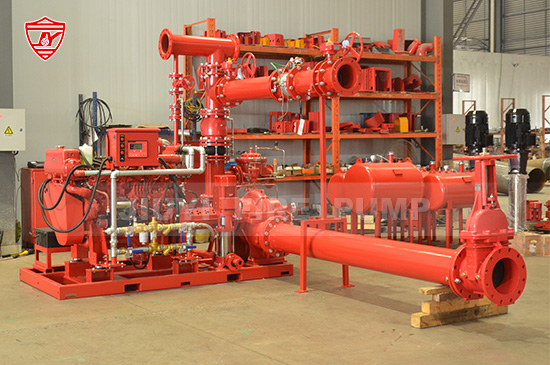
While fire pump installation is a complex task that requires expertise and precision, there is always the possibility of human error. Even the best installations can sometimes have issues due to overlooked details, incorrect equipment placement, or wiring faults. By performing a post-installation test, you can ensure that everything is set up correctly and operating as expected.
Testing verifies that the pump is correctly aligned with the fire protection system. It checks the connections, pressure settings, and the operational readiness of the fire pump and all associated components. If there’s an issue, it can be caught early, allowing for quick corrections before any emergency occurs.
Fire pumps are designed to operate under demanding conditions. They must function efficiently under high pressure, ensuring adequate water supply to the sprinklers, standpipes, and hose systems when the fire alarm is triggered. However, performance can degrade if the pump hasn’t been properly tested or calibrated after installation.
Post-installation testing verifies that the fire pump is operating at the required flow rate and pressure. A pump that delivers inadequate pressure or flow is a significant hazard and renders the entire fire protection system useless. During testing, professionals simulate emergency scenarios to confirm the pump performs as required under extreme conditions.
Fire pump testing provides a crucial opportunity to identify potential issues before they escalate into serious failures. By running the pump under actual operating conditions, technicians can detect issues like excessive noise, abnormal vibrations, or leaks that may not have been evident during the initial installation. These subtle problems, if left unaddressed, can result in catastrophic failures when the system is called upon in an emergency.
Moreover, testing also helps identify any mechanical or electrical faults that could compromise the system’s functionality. For example, faulty wiring, malfunctioning control panels, or improper sensor calibration can all go unnoticed during installation. Running a test allows technicians to identify and resolve these problems, ensuring the fire pump remains ready for use in the event of a fire.
In many jurisdictions, fire pump installation and testing are governed by strict local and international fire safety regulations. For example, the National Fire Protection Association (NFPA) has specific guidelines that require fire pumps to be tested periodically, including after installation. These regulations are in place to ensure that fire protection systems are not only functional but also compliant with the highest safety standards.
Testing after installation ensures that the pump meets all necessary regulatory requirements, helping you avoid legal and financial penalties. Failure to conduct proper post-installation testing could lead to non-compliance, which could result in the inability to secure insurance, or worst, leave a building’s occupants vulnerable in case of fire.
A fire pump is an integral part of a much larger fire protection system, and its performance is tied directly to the entire setup. Post-installation testing is essential to verify that the pump is properly integrated with other components of the system, including valves, pipes, sprinklers, and alarms.
During testing, technicians can ensure that there is seamless communication between the fire pump and the system’s other components. For instance, they can check that pressure sensors trigger the pump as required and ensure that the fire pump activates at the appropriate time during a fire emergency.
Moreover, this testing ensures that the system can deliver the correct amount of water to every point of the building, including high-rise sections or areas with challenging access.
Fire pump testing after installation helps enhance the reliability of the pump when it’s needed most—during a fire emergency. Testing ensures the pump will function correctly under pressure, even during an actual fire, when every second counts. It checks whether the pump can deliver a steady flow of water without any interruptions.
Since fires can spread rapidly, a delay in water delivery can be disastrous. Regular post-installation testing guarantees that the fire pump is ready to operate at peak efficiency when it’s needed to save lives and property. The safety of building occupants relies on this assurance, as firefighters depend on a fully operational system to battle fires effectively.
Fire pump testing serves as the first step in ensuring the long-term performance of the pump. After installation, it's not enough to simply assume that the pump will continue to work optimally. Routine testing allows you to monitor the fire pump’s condition over time, ensuring that it continues to operate at full capacity.
Moreover, establishing a regular testing schedule provides valuable data on the performance of the fire pump, making it easier to track any changes or signs of wear. This data can help predict when maintenance or replacement may be required, helping you avoid costly repairs or emergency replacements in the future.
Post-installation testing is also an important training opportunity for building personnel who will be responsible for maintaining or operating the fire pump in the future. By familiarizing them with the pump’s operation and testing procedures, you ensure that they understand its functionality and the importance of keeping the fire protection system in good working order.
Training during the testing process can also help personnel recognize potential warning signs of malfunction or wear, enabling them to act quickly and effectively in case of an emergency.
For property owners, facility managers, and even tenants, knowing that fire pumps are thoroughly tested and working correctly boosts confidence in the building’s overall safety. It also ensures that insurance providers, regulatory bodies, and safety inspectors will be assured that all safety measures are being met. This peace of mind is invaluable and provides confidence that the building is protected in the event of a fire.
Additionally, testing provides the assurance that all stakeholders—from building management to local authorities—are on the same page in terms of fire safety protocols. Regular testing is an excellent demonstration of the building owner’s commitment to the safety of its occupants and compliance with regulations.
Finally, the most important reason to perform fire pump testing after installation is that it saves lives and property. A fire pump is a lifesaving piece of equipment, designed to combat fire and protect the building and its occupants. The failure of the fire pump in an emergency can have disastrous consequences. Post-installation testing assures that, should a fire occur, the fire pump will be ready to perform as expected, delivering the necessary water pressure to extinguish flames and prevent injury or death.
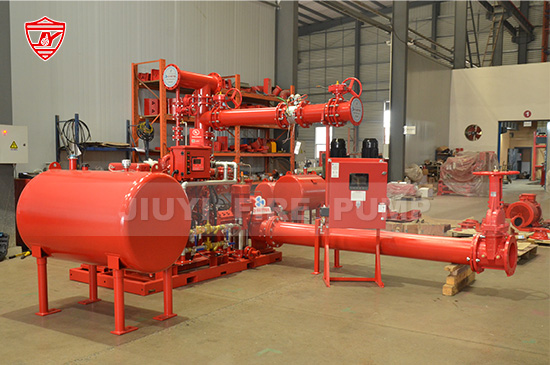
In conclusion, fire pump testing after installation is not a mere formality—it is a critical safety measure that ensures fire protection systems function effectively. By verifying installation quality, ensuring optimal performance, detecting early failures, complying with regulations, and boosting reliability in emergencies, post-installation testing provides a foundation of trust and security for building owners, fire protection professionals, and building occupants alike.
.jpg)