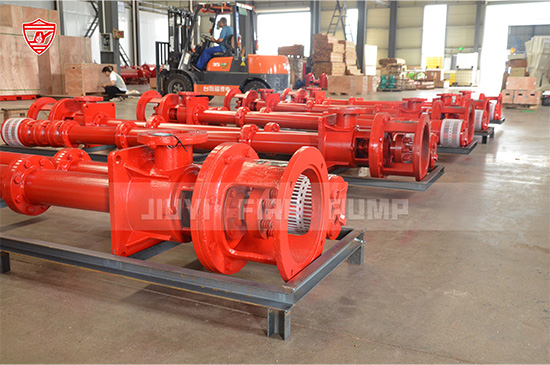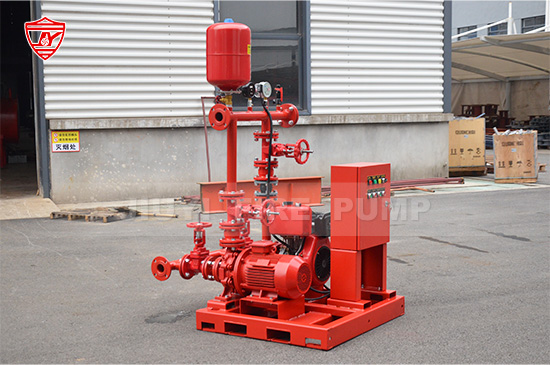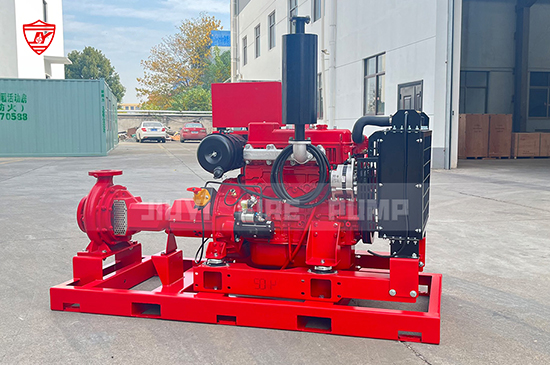
Fire pump systems play a crucial role in ensuring the safety and functionality of fire protection systems. As essential components of fire safety infrastructure, these systems are designed to provide a reliable supply of water to suppress fires, ensuring adequate pressure and flow rates in emergencies. However, one of the biggest challenges for fire pump systems is their ability to handle peak demands, especially during unforeseen circumstances. In this article, we will explore effective strategies to ensure that your fire pump system can meet peak demands, thus ensuring optimal fire protection in times of crisis.
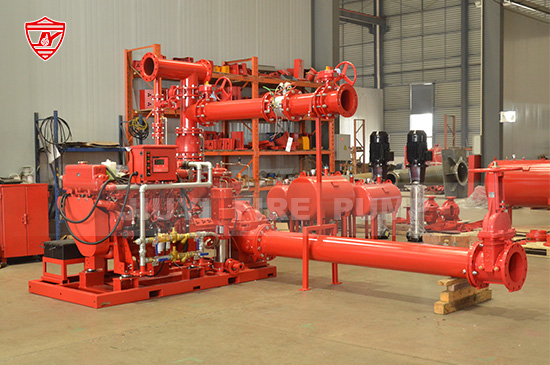
Peak demand refers to the maximum water demand required by the fire protection system at any given time. Fire pump systems are designed to handle typical flow rates, but emergencies, large fires, or simultaneous activation of multiple sprinkler zones can lead to significant spikes in demand. These peak demands can often exceed the system's regular operational capacity, placing immense pressure on the pump and other components.
As a result, fire pump systems must be designed with enough flexibility and power to handle such demands without compromising reliability or safety. The best way to achieve this is through careful planning, sizing, and ongoing maintenance to ensure all components are functioning at their best.
The most important factor in ensuring a fire pump system can handle peak demands is proper sizing. Fire pumps must be sized based on the peak flow requirements of the entire fire protection system. This includes taking into account the total flow rate needed for sprinklers, standpipes, hoses, and other fire suppression devices.
Factors to Consider When Sizing:
One of the best ways to ensure your fire pump system can handle peak demand is to install a backup pump. A secondary pump can take over if the primary pump cannot meet the required demands, or if the primary pump experiences a malfunction during operation.
Types of Backup Pumps:
By incorporating a backup pump into your system design, you provide an additional layer of security to handle unexpected or extreme peak demands.
Traditional fire pump systems often operate at a fixed speed, meaning the pump runs at a constant flow rate, regardless of the actual demand. This can be inefficient and may not be suitable for handling peak demands. A variable speed drive (VSD) allows the fire pump to adjust its speed based on the system's needs, ensuring that the pump operates efficiently during peak and low-demand periods.
Benefits of Variable Speed Drives:
Implementing a VSD system in your fire pump design can significantly improve your ability to handle fluctuating demands and reduce the likelihood of overloading the system during peak times.
Proper maintenance is key to ensuring that a fire pump system can handle peak demands effectively. Regular maintenance checks help identify potential weaknesses in the system, allowing you to address issues before they become critical.
Important Maintenance Tasks Include:
Routine maintenance and testing help prevent system failure and ensure optimal performance during emergencies.
System redundancy is another effective strategy for managing peak demand. Redundancy ensures that if one component fails, the system as a whole can continue to operate effectively. Redundant systems can be installed in various parts of the fire pump infrastructure to ensure reliability during peak demands.
Key Redundancy Options:
By designing a fire pump system with built-in redundancy, you can ensure that your system will be able to continue functioning during peak demand and emergency scenarios.
Modern fire pump systems can benefit from advanced monitoring and automation technologies. These systems allow for real-time monitoring of the pump's performance, providing valuable data that can help identify potential issues before they escalate.
Benefits of Monitoring and Automation:
Incorporating monitoring and automation technologies into your fire pump system can improve system performance, reduce downtime, and help identify areas for improvement.
Finally, ensuring that employees are well-trained and prepared to handle peak demands is an important aspect of fire pump system management. Proper training ensures that personnel know how to respond to emergencies and operate the fire pump system efficiently under pressure.
Training Tips:
Proper employee training and preparedness ensure that your fire pump system can handle peak demands, even when faced with complex situations.
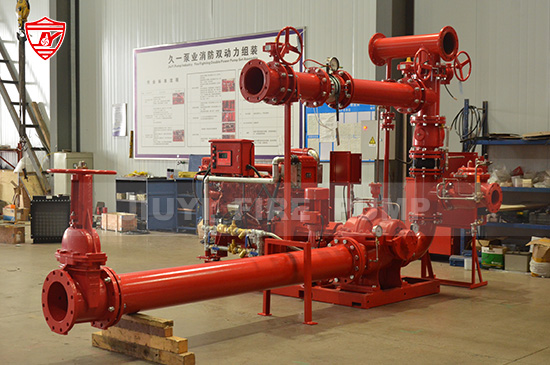
Ensuring that your fire pump system can handle peak demands is critical to maintaining reliable fire protection in emergencies. By properly sizing the system, installing backup pumps, using variable speed drives, conducting routine maintenance, and incorporating redundancy, you can greatly improve the system's ability to manage high-demand scenarios. Furthermore, integrating monitoring systems, automating key processes, and ensuring staff training will help optimize performance and reliability, providing peace of mind when it matters most.