
Fire pump controllers are among the most critical components of any fire protection system. While the fire pump itself provides the water flow and pressure necessary for firefighting operations, the controller serves as the brain of the entire system. It continuously monitors system pressure, starts the pump automatically during emergencies, and ensures that the fire pump operates as intended when needed.
A fire pump controller that is poorly maintained can lead to delayed pump startup, system failures, false alarms, or costly downtime. Since fire protection systems are often expected to remain idle for long periods before being called into action, routine maintenance is essential to guarantee reliable performance.
This article explains the importance of fire pump controller maintenance, key inspection procedures, common issues, testing methods, and best practices for keeping controllers in optimal operating condition.
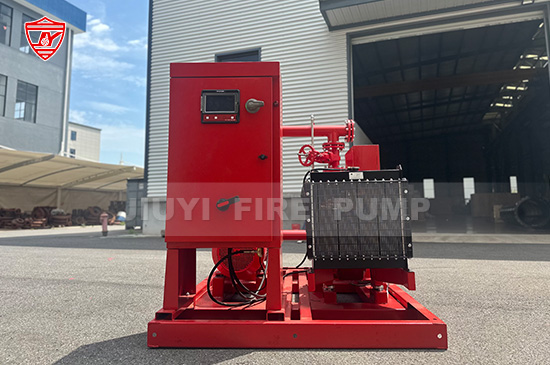
Fire pump controllers are designed to operate under demanding conditions and provide immediate response during a fire emergency. However, electrical components naturally experience wear over time due to environmental factors, vibration, moisture, dust, and temperature fluctuations.
Regular maintenance helps:
Even a small electrical fault inside a controller can compromise the operation of the entire fire pump system. Routine inspections and testing allow facility managers and maintenance personnel to detect problems early and take corrective action.
Before discussing maintenance procedures, it is important to understand the primary functions of a fire pump controller.
A fire pump controller typically performs the following tasks:
The two most common types of fire pump controllers are:
These controllers manage electric motor-driven fire pumps. They include components such as:
These controllers operate diesel engine-driven fire pumps and often include:
Although maintenance procedures vary slightly between controller types, many inspection and testing principles remain the same.
Proper maintenance begins with understanding which components require regular attention.
Inspect the enclosure for:
The enclosure protects sensitive electrical components from environmental contamination. Any damage that allows moisture or debris to enter should be addressed immediately.
Loose electrical connections are one of the most common causes of controller failures.
Inspect for:
Electrical connections should be tightened according to manufacturer specifications during scheduled maintenance.
Pressure switches and pressure transducers are responsible for initiating pump startup.
Check for:
An inaccurate pressure sensing device may prevent proper pump operation during a fire event.
Contactors and relays control electrical power to the fire pump motor or engine systems.
Inspect for:
Worn contactors can result in unreliable pump starting performance.
Modern controllers include digital displays and alarm indicators.
Verify that:
Monitoring features provide valuable information about system condition and performance.
For diesel fire pump controllers, batteries are essential for engine starting.
Inspect:
Battery failures remain one of the leading causes of diesel fire pump startup problems.
Routine inspections should follow applicable fire protection standards and manufacturer recommendations.
Typical maintenance schedules include:
Weekly inspections generally include:
These visual checks require minimal time but can identify developing issues early.
Monthly maintenance may include:
Monthly inspections provide a more detailed evaluation of controller health.
Quarterly procedures often involve:
Annual maintenance should be comprehensive and performed by qualified personnel.
Activities may include:
Annual inspections help ensure long-term reliability and compliance.
Keeping controllers clean is an important part of preventive maintenance.
Dust and debris can:
When cleaning a controller:
Compressed air should be used carefully, as excessive pressure can damage sensitive components.
Testing verifies that the controller can perform its intended function under real operating conditions.
Automatic start testing confirms that the controller responds correctly to pressure drops.
The procedure typically involves:
The controller should start the pump promptly and consistently.
Manual start testing verifies operator control functionality.
Check:
All manual controls should function smoothly and reliably.
Controllers often include multiple alarm conditions.
Common alarms include:
Testing ensures alarms activate and communicate faults properly.
Reliable power is essential for controller operation.
Inspect:
Power quality issues can negatively affect controller performance.
Understanding common problems helps maintenance personnel identify issues quickly.
Diesel fire pump systems frequently experience battery-related issues.
Symptoms may include:
Routine battery maintenance significantly reduces these risks.
Over time, vibration and thermal cycling can loosen electrical terminals.
Possible symptoms include:
Regular inspection and tightening help prevent failures.
Pressure switches are critical starting components.
Signs of failure include:
Testing and calibration can identify pressure switch issues before they cause operational failures.
Frequent operation gradually wears contactor contacts.
Potential consequences include:
Periodic inspection allows timely replacement before failure occurs.
Humidity and water intrusion can severely damage electrical equipment.
Common indicators include:
Maintaining enclosure integrity is essential for long-term controller reliability.
Maintenance documentation is often overlooked but provides significant value.
Records should include:
Accurate documentation helps identify trends, support compliance requirements, and improve maintenance planning.
Historical records can also assist technicians in troubleshooting recurring issues.
To maximize controller reliability, consider the following best practices:
Every controller model has unique maintenance requirements.
Always:
Personnel responsible for fire pump systems should understand:
Proper training reduces maintenance errors and improves system reliability.
Waiting for failures to occur is not an effective strategy.
A preventive maintenance program should include:
Preventive maintenance minimizes downtime and improves emergency readiness.
Even minor issues can evolve into major failures if ignored.
Investigate and correct:
Prompt action helps maintain system integrity.
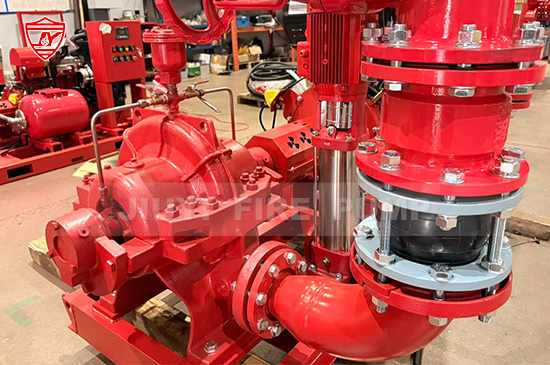
Fire pump controllers play a vital role in ensuring that fire protection systems respond immediately during emergencies. Regardless of whether a system uses an electric motor controller or a diesel engine controller, routine maintenance is essential for reliable operation.
Regular inspections, cleaning, testing, battery maintenance, calibration verification, and documentation all contribute to improved controller performance and system dependability. By implementing a structured preventive maintenance program and following manufacturer recommendations, facility owners can significantly reduce the risk of fire pump failure when protection is needed most.
.jpg)