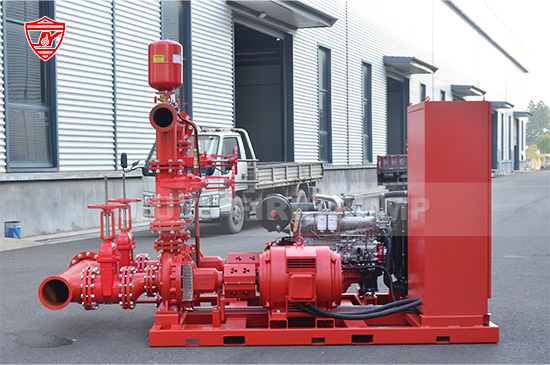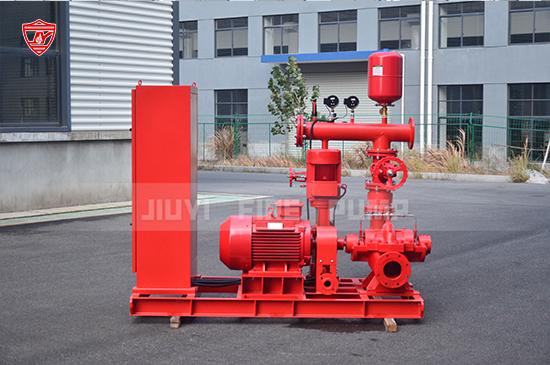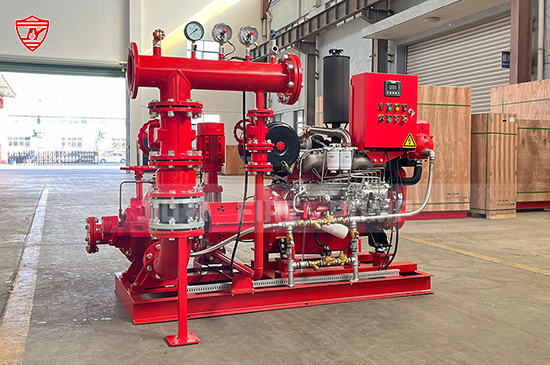
Fire pump flow demand is one of the most important concepts in fire protection system design. Whether protecting a commercial building, industrial facility, warehouse, power plant, or high-rise structure, understanding flow demand is essential for selecting the correct fire pump and ensuring reliable fire suppression performance.
A fire pump serves as the heart of many fire protection systems. However, even the most advanced fire pump cannot perform effectively if it is not sized to meet the required flow demand. An undersized pump may fail to provide adequate water during a fire emergency, while an oversized pump can lead to inefficiencies, increased costs, and operational challenges.
This article explains what fire pump flow demand is, how it is determined, the factors that influence it, and why it plays a critical role in fire protection engineering.
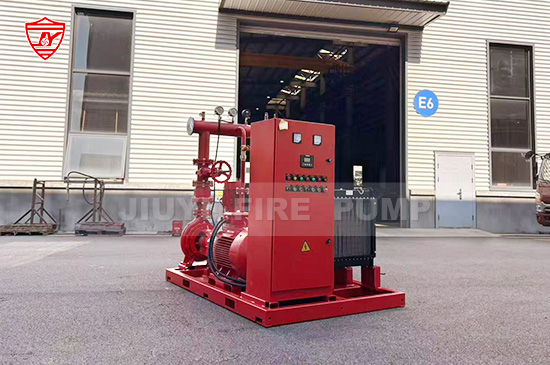
Fire pump flow demand refers to the amount of water that must be delivered by a fire protection system during a fire event. It is typically measured in gallons per minute (GPM) or liters per minute (LPM).
The flow demand represents the volume of water needed to effectively control or suppress a fire in a specific hazard area. The fire pump must be capable of supplying this required flow while maintaining sufficient pressure throughout the system.
In simple terms, flow demand answers the question:
"How much water does the fire protection system need during a fire?"
Once this requirement is determined, engineers can select a fire pump that provides the necessary flow and pressure under the most demanding conditions.
Flow demand directly impacts the effectiveness of a fire protection system. If the available water supply cannot meet the required demand, the system may not operate as intended during an emergency.
Properly determining fire pump flow demand helps:
Fire protection engineers must carefully calculate flow demand before selecting any fire pump equipment.
Several factors contribute to determining the required flow demand of a fire protection system.
The type of building or facility significantly affects flow demand.
Different occupancies present different fire risks. For example:
Higher hazard occupancies typically require greater fire flow demand.
The design of the fire protection system itself influences flow requirements.
Examples include:
Each system has specific design criteria that determine the required water flow.
Hazard classification is a major factor in sprinkler system design.
Common classifications include:
Examples:
These occupancies generally require lower water densities and flow rates.
Examples:
These occupancies require moderate water demand.
Examples:
These occupancies often require significantly higher flow demand.
The higher the hazard classification, the greater the required fire flow.
For sprinkler systems, flow demand is determined through hydraulic calculations.
Engineers calculate:
The required sprinkler density is multiplied by the design area to determine the total flow demand.
For example:
A sprinkler density of 0.20 GPM per square foot over a design area of 2,500 square feet results in:
0.20 × 2,500 = 500 GPM
This means the sprinkler system requires at least 500 GPM before considering additional system demands.
Standpipe systems provide water for firefighting personnel inside buildings.
These systems often require substantial flow rates.
Typical standpipe demands may range from:
When standpipe systems are combined with sprinkler systems, the total fire pump flow demand increases significantly.
Many facilities use both sprinkler and standpipe systems.
In such cases, engineers must evaluate the combined water demand.
For example:
Total system demand may be:
1,500 GPM
The fire pump must be capable of supplying this combined demand while maintaining required pressure levels.
Although often used interchangeably, fire flow and flow demand are not always the same.
Fire flow generally refers to the amount of water needed to fight a fire manually using fire department equipment.
Flow demand refers specifically to the water requirements of the installed fire protection systems.
Both values are important when evaluating the overall fire protection strategy of a facility.
Hydraulic calculations are used to determine precise flow demand values.
These calculations account for:
By performing hydraulic analysis, engineers can accurately identify the required fire pump capacity.
Without hydraulic calculations, fire pump selection may be based on assumptions that could compromise system performance.
Several variables can influence final flow demand calculations.
Larger facilities often require greater water flow because more sprinklers may operate simultaneously during a fire.
Warehouses with high-piled storage typically require higher water densities and larger flow rates.
Stored materials affect fire severity.
Examples include:
More combustible materials generally increase flow demand.
Future facility expansions should be considered when determining fire pump capacity.
Selecting a fire pump with reasonable growth potential can reduce future upgrade costs.
Authorities having jurisdiction may impose additional requirements beyond standard design criteria.
These requirements can increase the overall flow demand.
Fire pumps are selected based on their ability to provide both flow and pressure.
A fire pump performance curve illustrates how a pump operates across various flow conditions.
Typically:
Engineers evaluate these performance characteristics to ensure the pump meets system requirements under all expected conditions.
The selected fire pump must provide sufficient pressure at the required flow demand point.
Fire pumps are available in various standard capacities.
Common ratings include:
The appropriate rating depends on the calculated system demand and design requirements.
Selecting a fire pump that cannot meet flow demand can create serious problems.
Potential consequences include:
Proper flow demand calculations help avoid these risks.
While undersizing is dangerous, oversizing also presents challenges.
Possible issues include:
The goal is to select a fire pump that closely matches the actual demand requirements.
Fire pump flow demand calculations are closely related to fire protection standards and system design requirements.
Engineers typically evaluate:
Compliance with applicable standards ensures that fire pumps deliver the necessary flow and pressure during emergencies.
Proper documentation and testing are also essential to verify that installed pumps perform as designed.
To achieve reliable fire protection system performance, consider the following best practices:
These practices help ensure long-term system reliability and regulatory compliance.
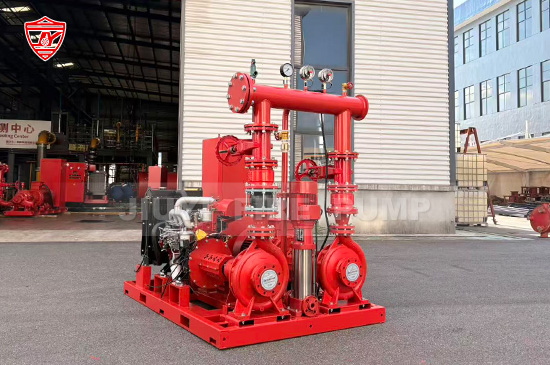
Fire pump flow demand represents the amount of water a fire protection system requires to effectively control or suppress a fire. It serves as the foundation for fire pump selection, hydraulic system design, and overall fire protection performance.
Determining the correct flow demand involves evaluating occupancy hazards, sprinkler system requirements, standpipe demands, hydraulic calculations, and available water supplies. Accurate calculations ensure that fire pumps provide sufficient water flow and pressure when needed most.