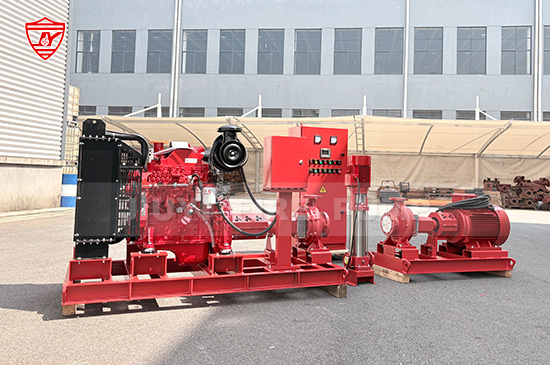
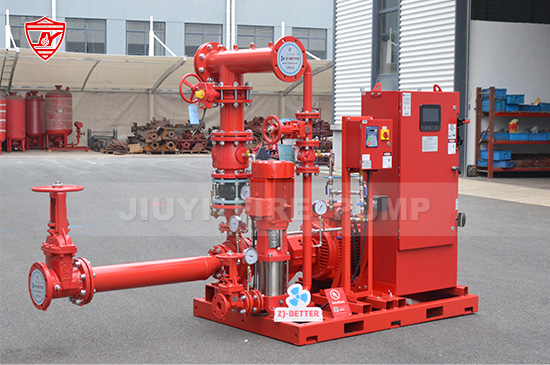
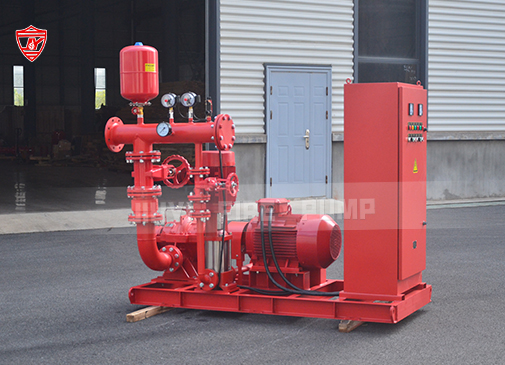
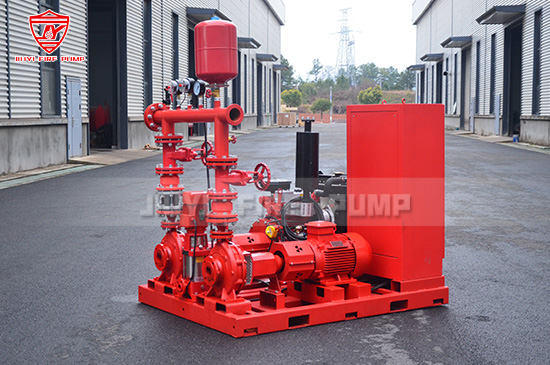
Fire pump systems are critical for ensuring that fire protection systems perform reliably during emergencies. These systems are designed to provide the necessary water pressure to sprinkler systems, standpipes, and other fire suppression systems. However, like any mechanical system, fire pumps can encounter issues that affect their functionality. Identifying and troubleshooting these problems quickly is essential for maintaining fire safety standards.
In this article, we will cover common problems in fire pump systems, provide guidance on how to troubleshoot them, and discuss preventative maintenance to ensure the longevity and reliability of your fire pump system.
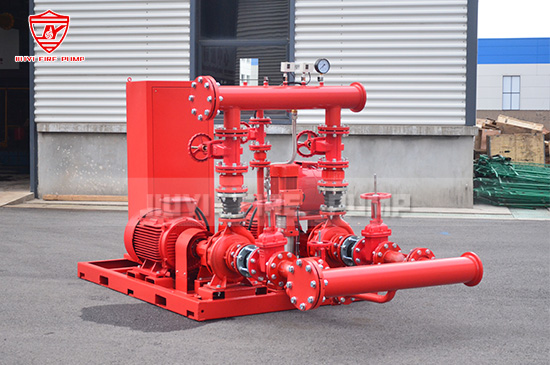
1. Low or No Pressure in Fire Pump System
One of the most common issues with fire pump systems is the loss of pressure or insufficient pressure. This can render the fire pump ineffective in an emergency, which could lead to catastrophic consequences.
Causes:
- Airlock in the system: When air enters the pump casing or suction line, it can disrupt the pump’s ability to create suction, leading to a loss of pressure.
- Clogged Strainer or Suction Line: Debris or sediment buildup in the suction line or strainer can restrict the flow of water, causing a drop in pressure.
- Incorrect Pump Size or Settings: If the pump is too small for the system or improperly configured, it may not produce the required pressure.
How to Troubleshoot:
- Check for Airlock: If you suspect air in the system, try to "bleed" the system by venting the air out of the pump casing and suction line. This can often resolve the issue.
- Inspect the Suction Line and Strainer: Remove the suction strainer and inspect for any debris or blockages. Clean the strainer thoroughly to restore proper water flow.
- Verify Pump Settings and Size: Ensure that the fire pump is appropriately sized for the building or facility's fire protection needs. Check the system’s specifications and compare them to the pump’s rating.
2. Fire Pump Fails to Start
A fire pump that fails to start when required can be a serious issue, especially in emergency situations. This could be due to several mechanical or electrical failures.
Causes:
- Electrical Issues: Problems with the power supply, motor connections, or the controller may prevent the pump from starting.
- Controller Malfunctions: Fire pump controllers monitor the system and activate the pump when needed. If the controller is faulty or improperly configured, it may fail to start the pump.
- Motor Failure: If the motor has worn out or damaged components, it may not start when the system requires it.
How to Troubleshoot:
- Inspect the Electrical Connections: Ensure that the fire pump motor is receiving adequate power. Check the fuses, breakers, and wiring for any signs of damage or malfunction.
- Check the Controller Settings: Test the fire pump controller to verify that it is functioning correctly. Ensure that the settings are correctly programmed to trigger the pump when required.
- Inspect the Motor: If the electrical connections are in good condition, inspect the motor for signs of wear or damage. Look for overheating, strange noises, or physical damage to the motor. If necessary, contact a professional to repair or replace the motor.
3. Pump Leaks or Seal Failure
Leaks or seal failure in a fire pump system can lead to a loss of efficiency and performance. Over time, worn seals or improperly installed seals can cause water to leak from the pump housing, which can significantly reduce the system's ability to operate effectively.
Causes:
- Worn or Damaged Seals: The seals within the pump assembly can wear out due to age, use, or poor maintenance.
- Incorrect Installation: If the pump was improperly assembled or if seals were not correctly installed, leaks may occur.
- Corrosion or Contamination: If the water entering the pump is highly corrosive or contains abrasive particles, it can degrade the seals more quickly.
How to Troubleshoot:
- Inspect Seals and Gaskets: Regularly check the seals and gaskets for signs of wear or damage. Replace any parts that appear to be worn out.
- Check for Corrosion: Examine the pump for any signs of corrosion or mineral buildup. Corrosion can deteriorate seals over time, so cleaning and replacing parts may be necessary.
- Tighten Connections: Ensure that all flanges and connections are tightly secured. A loose connection can also lead to leakage.
4. Vibration and Excessive Noise from the Pump
Vibrations and unusual noises from a fire pump can be alarming and indicative of underlying issues. These problems often arise from mechanical imbalances or misalignments in the system.
Causes:
- Imbalance in the Pump or Motor Shaft: If the shaft is bent or misaligned, it can cause vibrations that lead to excessive wear and potential failure.
- Loose Parts or Connections: Components that are not properly tightened can cause vibrations, leading to noise and potential damage.
- Cavitation: When there is insufficient pressure in the suction line, cavitation (the formation of bubbles in the water) can occur, leading to vibrations and noise.
How to Troubleshoot:
- Check for Shaft Misalignment: Inspect the pump and motor shaft for signs of misalignment. Ensure the motor and pump are properly aligned according to the manufacturer’s specifications.
- Tighten All Components: Ensure that all bolts, nuts, and fasteners are properly tightened. Loose parts can cause vibrations that lead to wear and potential damage.
- Monitor Suction Pressure: Check the suction pressure to ensure there is adequate water flow to the pump. Low suction pressure may result in cavitation.
5. Pump Runs Continuously
A fire pump that runs continuously without shutting off can lead to unnecessary wear and excessive energy consumption. This issue may also indicate a malfunction in the system’s pressure switch or controller.
Causes:
- Faulty Pressure Switch: If the pressure switch is malfunctioning, it may not register the correct pressure levels, causing the pump to run indefinitely.
- Controller Malfunction: If the fire pump controller is not properly configured or is damaged, it may fail to turn off the pump once the required pressure has been reached.
- Leaking Check Valve: A leaking check valve can cause water to flow back into the pump system, preventing the pressure from rising and causing the pump to run continuously.
How to Troubleshoot:
- Check the Pressure Switch: Test the pressure switch to ensure that it is functioning correctly. If the switch is faulty, replace it with a new one.
- Inspect the Controller: Verify that the controller is programmed correctly and responds as expected. Reset the controller if necessary.
- Inspect the Check Valve: Ensure that the check valve is functioning properly and is not leaking. If the valve is damaged, replace it.
Preventative Maintenance Tips for Fire Pump Systems
To reduce the likelihood of encountering the above issues, regular preventative maintenance is essential. Proper maintenance ensures that the fire pump system operates effectively when needed, preventing costly repairs and ensuring safety compliance.
Maintenance Checklist:
- Inspect and test the pump system regularly to check for any signs of wear or malfunction.
- Clean the strainer and suction line periodically to ensure proper water flow.
- Lubricate moving parts to reduce friction and prevent wear.
- Test the fire pump under load to ensure it functions correctly when required.
- Check electrical connections for wear or corrosion.
- Ensure the system is free of airlocks.
By adhering to a strict maintenance schedule, you can identify and fix potential problems early, preventing system failures during emergencies.
Conclusion
Troubleshooting common issues in fire pump systems is essential for maintaining a reliable and effective fire protection system. By addressing issues such as low pressure, pump failure, leaks, vibrations, and continuous running, you can ensure that your fire pump operates optimally when needed most. Regular maintenance and timely troubleshooting are critical to the safety of your facility and the well-being of its occupants.