Fire pump rooms are often designed to meet current project requirements, but fire protection systems are rarely static. As buildings expand, risk classifications change, codes evolve, or additional protection zones are added, the original fire pump system may no longer be sufficient. Without early planning, expanding a fire pump room later can be costly, disruptive, or even impossible.
Planning fire pump room expansion for future capacity is not just a design preference—it is a strategic decision that protects long-term investment, ensures regulatory compliance, and minimizes downtime. This article provides a practical, engineering-focused guide on how to plan fire pump room expansion properly, based on real-world project experience and industry best practices.
Many fire pump upgrades fail not because of pump performance, but because the room itself cannot accommodate new equipment. Common challenges include insufficient space, undersized power supply, limited ventilation, or structural constraints.
Proper expansion planning allows for:
Future increases in fire demand without full system replacement
Easier compliance with updated fire codes
Reduced shutdown time during upgrades
Lower total lifecycle cost of the fire protection system
For industrial plants, high-rise buildings, data centers, and large commercial complexes, fire pump room scalability is a critical part of long-term safety planning.
The first step in planning expansion is understanding how fire demand may change over time. This goes beyond current flow and pressure calculations.
Key factors to consider include:
Potential building area expansion or additional floors
Change in hazard classification, such as light hazard to ordinary or extra hazard
Addition of sprinkler zones, standpipes, or foam systems
Local authority or insurance requirements becoming more stringent
Designing only for present demand often results in undersized rooms that cannot accept higher-capacity pumps or additional pump sets later.
One of the most common expansion limitations is physical space. Fire pump rooms must accommodate not only pumps, but also controllers, piping, valves, test headers, and access clearances.
When planning for future capacity:
Reserve floor space for at least one additional pump set
Maintain minimum clearance distances around all equipment
Consider larger baseplates that can support higher horsepower pumps
Ensure door openings are large enough for future equipment replacement
A slightly larger fire pump room at the design stage is far less expensive than structural modification later.
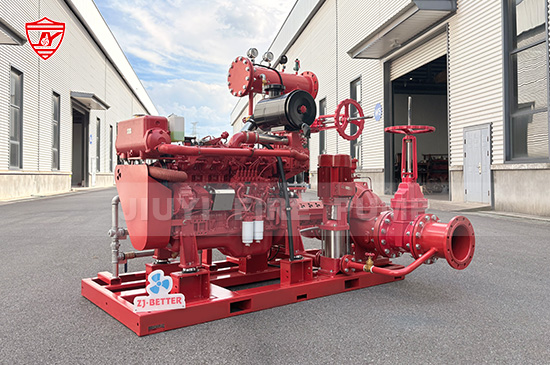
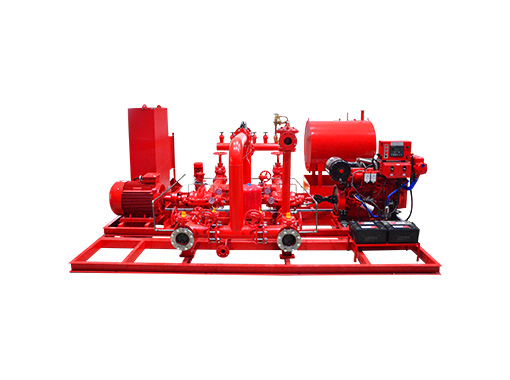
Using modular fire pump system layouts greatly simplifies future expansion. Instead of one oversized pump, multiple pumps can be staged.
Examples include:
Main fire pump plus a space for an additional standby pump
Diesel and electric pump combinations with room for capacity upgrades
Parallel pump arrangements that allow phased installation
Modular planning allows system capacity to grow as demand increases, while maintaining redundancy and reliability.
Piping is often overlooked during expansion planning, yet it is one of the hardest elements to modify later.
Best practices include:
Oversizing suction and discharge headers where feasible
Installing flanged connections or blind flanges for future tie-ins
Reserving wall penetration locations for additional piping
Ensuring suction supply capacity can support future pumps
A well-planned piping layout avoids major demolition when system upgrades are required.
Electrical fire pumps require substantial power, and power limitations frequently restrict expansion.
When planning electrical infrastructure:
Verify transformer capacity for higher horsepower motors
Allow space for additional fire pump controllers
Size cable trays and conduits for future cables
Confirm emergency power systems can handle increased loads
Electrical upgrades after construction can be complex and expensive, especially in occupied buildings.
Diesel fire pumps have additional room requirements beyond electric pumps. Expansion planning must consider:
Additional fuel storage capacity
Ventilation and exhaust routing
Cooling airflow and heat dissipation
Access for engine maintenance and replacement
Designing flexible ventilation paths and reserving fuel tank space can significantly simplify future diesel pump upgrades.
Fire pump room expansion must always align with applicable standards such as NFPA 20 and local authority requirements.
Key compliance considerations include:
Minimum room size and clearance requirements
Fire-rated walls and separation
Drainage and leakage management
Noise and vibration control
Planning for expansion early helps ensure future modifications remain compliant without reworking the entire room design.
Larger fire pumps, diesel engines, and fuel tanks impose higher structural loads. Expansion planning should include:
Floor load capacity verification
Vibration isolation design
Equipment anchoring allowances
Space for inertia bases if required
Ignoring structural considerations can prevent future installation of higher-capacity equipment.
A future-ready fire pump room must remain serviceable after expansion. Poor access can turn routine maintenance into a safety risk.
Ensure that:
Technicians can access pumps, valves, and controllers
Lifting points or crane access are considered
Equipment can be removed without dismantling walls
Maintenance-friendly design protects system reliability throughout its lifecycle.
Fire pump room expansion planning should align with the overall development strategy of the site. Coordination with architects, MEP engineers, and facility managers is essential.
Important coordination points include:
Reserved space in adjacent rooms or corridors
Future shaft or utility routing
Zoning and building code restrictions
Early coordination avoids conflicts that could block expansion later.
Manufacturers play a critical role in expansion planning. An experienced fire pump manufacturer can:
Recommend scalable pump configurations
Provide footprint data for future models
Advise on performance curves for phased capacity growth
Ensure compatibility between existing and future equipment
Manufacturer involvement at the design stage helps prevent costly mismatches during future upgrades.
Fire protection systems must remain operational at all times. Expansion planning should include:
Temporary pump connections
Phased installation strategies
Isolation valves for future tie-ins
Designing for minimal interruption ensures safety is never compromised during upgrades.
A slightly higher upfront investment in space, infrastructure, and flexibility often results in significant savings over the system’s lifespan.
Benefits include:
Reduced retrofit costs
Shorter downtime
Improved compliance readiness
Extended service life of the fire pump system
Lifecycle thinking is a hallmark of professional fire protection design.
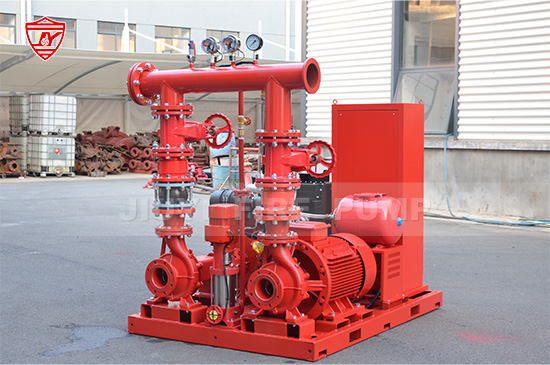
Planning fire pump room expansion for future capacity is not about oversizing blindly—it is about designing intelligently. By considering space, power, piping, structural load, and regulatory requirements from the beginning, fire protection systems can evolve smoothly alongside the buildings they protect.
For owners, designers, and contractors, early expansion planning ensures safety, compliance, and long-term value. For fire pump manufacturers, it represents a commitment to reliability beyond today’s requirements and readiness for tomorrow’s challenges.