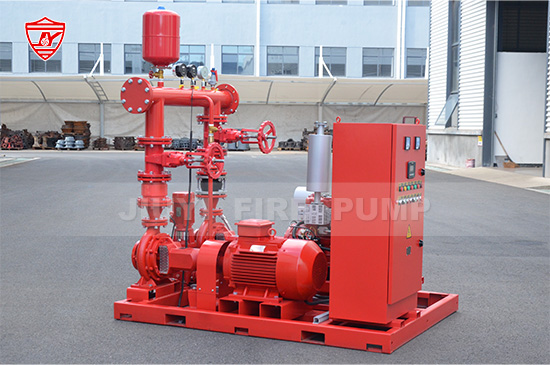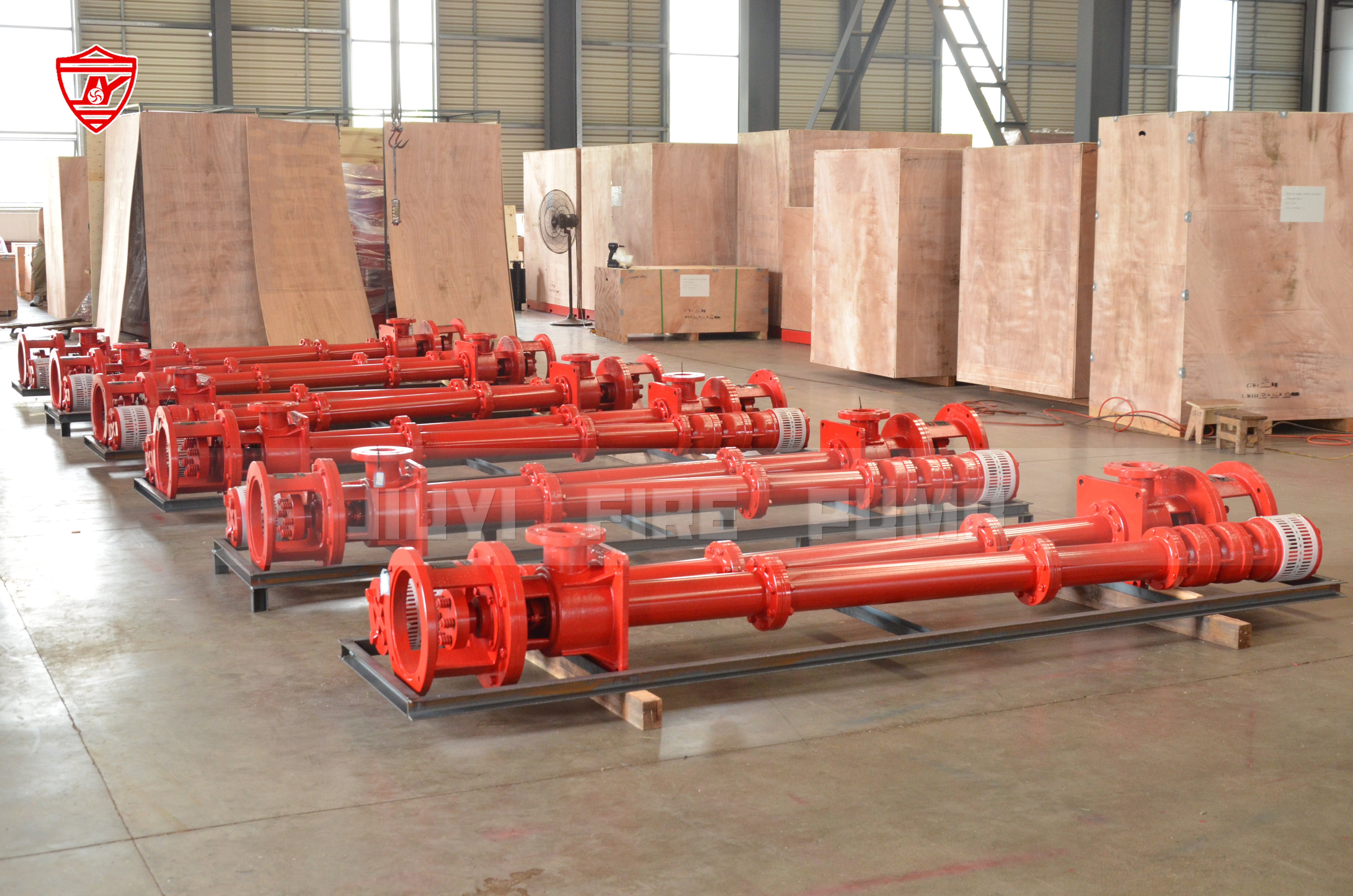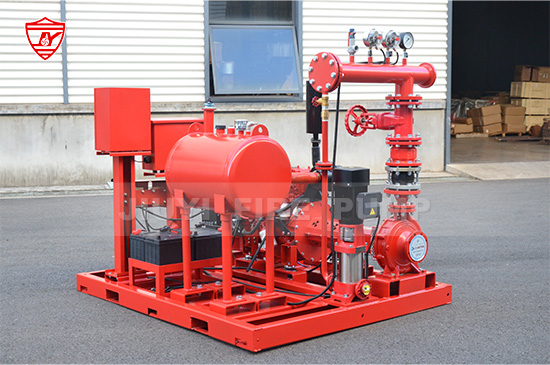
Fire pumps are the heart of any fixed fire protection system. No matter how well a pump is designed or manufactured, its real value is proven only after installation, when it is tested under actual site conditions. This is where the Site Acceptance Test (SAT) plays a critical role.
The purpose of a fire pump site acceptance test is to confirm that the installed pump performs exactly as required by design, complies with applicable standards, and delivers reliable protection when an emergency occurs. For owners, consultants, and authorities having jurisdiction, SAT is not just a formality—it is a technical validation of life safety equipment.
This article explains how to properly verify fire pump performance during a site acceptance test, what parameters must be checked, common mistakes to avoid, and how to interpret test results with confidence.
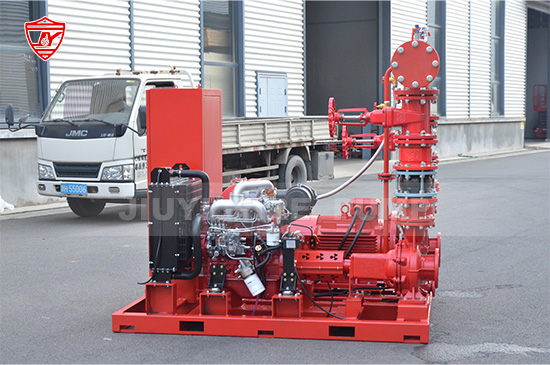
A Site Acceptance Test is the final performance verification conducted after the fire pump system has been fully installed, aligned, connected, and energized at the project site. Unlike factory tests, SAT reflects real-world conditions such as actual suction supply, discharge piping, elevation, and system losses.
The test ensures that:
The installed fire pump meets its rated flow and pressure
The pump operates safely across its performance range
Controllers, drivers, and accessories function correctly
The entire fire pump system complies with applicable standards such as NFPA 20
SAT is usually witnessed by the owner’s representative, fire protection engineer, contractor, and local fire authority.
Successful verification starts with proper preparation. Many SAT failures are caused not by pump defects, but by incomplete system readiness.
Before testing, confirm the following:
The fire pump installation is complete and aligned
Suction and discharge piping are fully connected and supported
Valves are installed correctly and fully open where required
Electrical power or fuel supply is stable and available
The water supply source is reliable and sufficient
Pressure gauges and flow measuring devices are calibrated
It is also essential to have the approved fire pump performance curve available on site. This curve serves as the baseline for evaluating test results.
The most critical part of SAT is verifying that the fire pump delivers its rated flow at the rated pressure.
During the test:
Water is discharged through a calibrated flow measuring device
Flow is gradually increased to the pump’s rated capacity
Discharge pressure is recorded at the rated flow point
The measured pressure should be within the acceptable tolerance defined by applicable standards. Any significant deviation must be investigated before acceptance.
Churn pressure is measured when the pump is running with no water flowing.
This test verifies:
Mechanical integrity of the pump
Proper impeller and casing configuration
Absence of abnormal internal restrictions
Excessively high churn pressure may indicate incorrect impeller trimming or pump selection, while low churn pressure may signal internal leakage or installation issues.
Fire pumps must also be tested at higher flow rates, typically up to 150% of rated capacity.
At this point:
The pump should continue to operate smoothly
Pressure should not drop below minimum acceptable limits
Drivers should not overload or trip
This test confirms that the pump can handle extreme demand scenarios without mechanical or electrical failure.
Performance verification must account for actual system losses at site.
During SAT:
Suction pressure is measured at the pump inlet
Discharge pressure is measured downstream of the pump
Net pump pressure is calculated by subtracting suction from discharge pressure
Comparing net pressure against the certified pump curve ensures the pump itself is performing correctly, independent of piping layout or elevation changes.
For electric fire pumps, SAT should confirm:
Correct motor voltage and phase balance
Motor current within allowable limits
Pump speed matching rated RPM
No abnormal vibration or noise
Any deviation in speed directly affects pump performance, so tachometer verification is recommended during testing.
Diesel fire pump verification includes:
Engine starting reliability
Speed regulation under load
Fuel system integrity
Cooling and exhaust performance
Engine RPM at rated flow must match the certified speed. Overspeed or underspeed conditions can cause inaccurate flow and pressure results.
Performance verification goes beyond hydraulic results. SAT also confirms that the fire pump system responds correctly to fire conditions.
Key functional checks include:
Automatic start from pressure drop
Manual start from controller
Alarm and signal transmission
Proper shutdown procedure
For diesel systems, additional checks include battery condition, charging system performance, and automatic weekly test operation.
Even experienced teams can encounter issues during SAT. Common mistakes include:
Inadequate water supply leading to false low-flow results
Air trapped in suction piping
Incorrectly installed pressure gauges
Partially closed valves during testing
Comparing field results to incorrect performance curves
Understanding these pitfalls helps avoid unnecessary retesting and project delays.
SAT results should be evaluated as a complete set, not in isolation.
When results appear marginal:
Verify measurement accuracy first
Confirm test setup matches standard requirements
Review suction conditions and system losses
Compare net pressure, not just discharge pressure
A pump that slightly deviates under poor test conditions may still fully comply once installation issues are corrected.
All SAT results must be properly documented. A complete acceptance record typically includes:
Flow and pressure readings at all test points
Driver performance data
Controller functional test results
Witness signatures and dates
This documentation becomes part of the building’s permanent fire protection records and is critical for future inspections and maintenance.
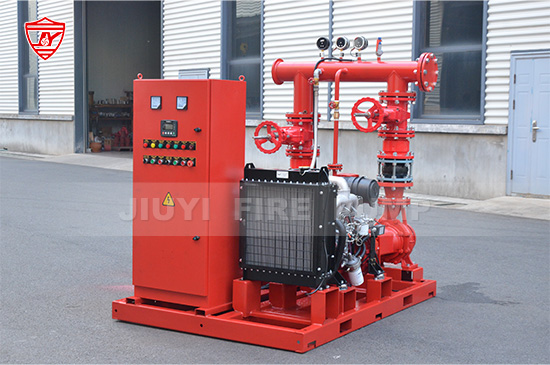
Fire pump site acceptance testing is not only a regulatory requirement—it is a responsibility. A properly verified fire pump provides confidence that the system will perform when lives and property are at risk.
For owners, it ensures long-term reliability.
For engineers, it confirms design intent.
For manufacturers, it validates product performance in real conditions.