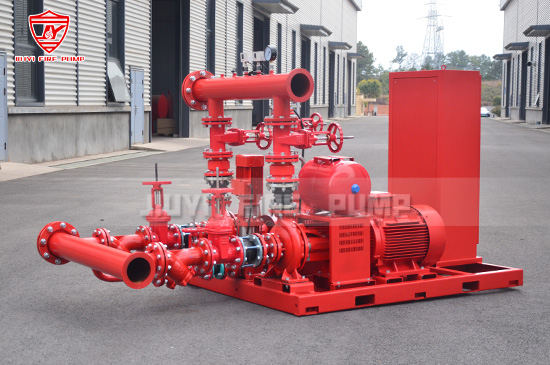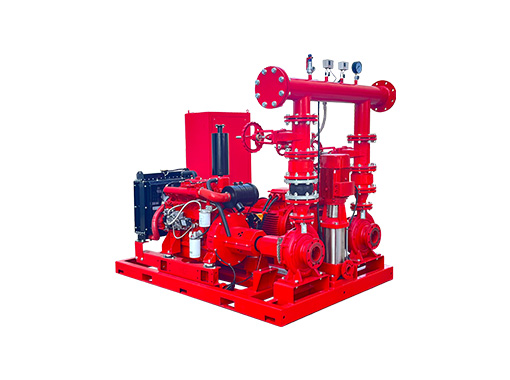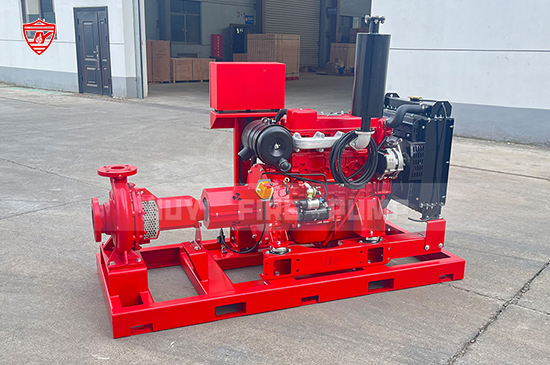
A fire pump system is not just a piece of equipment installed to meet code requirements. It is a long-term safety asset designed to perform reliably when a fire emergency occurs. Understanding the full lifecycle of a fire pump system helps building owners, engineers, and contractors make better decisions that reduce risk, control costs, and extend system reliability.
This article explains the complete fire pump system lifecycle, from early planning and design to installation, operation, maintenance, upgrades, and eventual replacement. Whether you manage industrial facilities, commercial buildings, or large infrastructure projects, knowing how each stage affects performance is critical for long-term fire protection.
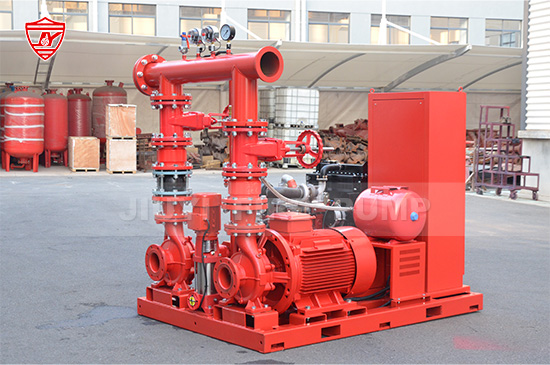
1. What Is a Fire Pump System Lifecycle?
The fire pump system lifecycle refers to the entire lifespan of a fire pump system, beginning with system design and ending with replacement or modernization. Unlike ordinary pumps, fire pumps are expected to remain idle for long periods and then operate flawlessly under extreme conditions. This makes lifecycle planning especially important.
A typical fire pump system lifecycle includes:
-
Design and specification
-
Manufacturing and quality control
-
Installation and commissioning
-
Operation and routine testing
-
Preventive maintenance and repairs
-
Performance evaluation and upgrades
-
End-of-life replacement
Each phase has a direct impact on system reliability, compliance, and total cost of ownership.
2. Design Phase: Laying the Foundation for Reliability
The lifecycle of a fire pump system begins long before the pump arrives on site. Proper design is the most important factor influencing system performance and longevity.
Hydraulic Requirements
Fire pump selection must be based on accurate flow and pressure demand calculations. Undersized pumps can fail to meet fire protection requirements, while oversized pumps may cause system stress, inefficiency, and premature wear.
Pump Type Selection
Different applications require different pump types, such as horizontal split case, vertical turbine, end suction, or in-line pumps. Choosing the correct pump type affects efficiency, maintenance accessibility, and service life.
Driver Selection
Electric motors and diesel engines each have unique lifecycle considerations. Electric fire pumps typically offer lower maintenance but depend on reliable power supply. Diesel fire pumps provide independence from electrical systems but require more frequent inspection and fuel system care.
Compliance and Standards
Design must align with applicable fire codes and standards. Non-compliant designs often result in costly retrofits, delayed commissioning, or long-term operational risks.
A well-designed fire pump system can add years of dependable service to the overall lifecycle.
3. Manufacturing and Quality Control
Once the system design is finalized, manufacturing quality becomes the next critical lifecycle stage. Fire pumps must withstand high pressures, long idle periods, and sudden full-load operation.
Material Selection
High-quality materials such as ductile iron casings, stainless steel shafts, bronze impellers, and corrosion-resistant fasteners contribute significantly to lifecycle durability.
Precision Manufacturing
Tight tolerances, proper shaft alignment, and balanced rotating components reduce vibration and mechanical stress over time.
Factory Testing
Performance testing, pressure testing, and run-in testing verify that the fire pump system meets its rated performance before installation. Skipping or minimizing factory testing can introduce hidden risks into the lifecycle.
Manufacturing quality directly determines how well a fire pump system survives years of operation and testing cycles.
4. Installation Phase: Turning Design into Reality
Even the best fire pump system design can fail if installation is not executed correctly. Installation errors are a common cause of premature system problems.
Foundation and Alignment
Proper foundations prevent vibration, shaft misalignment, and bearing wear. Alignment between the pump and driver must be precise to avoid mechanical stress.
Piping Configuration
Incorrect suction or discharge piping, insufficient straight pipe lengths, or poorly supported piping can cause cavitation, vibration, and long-term damage.
Electrical and Control Systems
Fire pump controllers, power connections, and alarms must be installed according to approved drawings. Improper wiring can compromise both reliability and code compliance.
Installation quality plays a major role in determining whether a fire pump system operates smoothly for decades or struggles from day one.
5. Commissioning and Acceptance Testing
Commissioning marks the transition from installation to operation and is a key milestone in the fire pump system lifecycle.
Performance Verification
Flow and pressure tests confirm that the system meets design requirements under various operating conditions.
Control Logic Testing
Automatic start, manual start, alarm functions, and fail-safe features must be verified to ensure reliable emergency operation.
Documentation and Records
Commissioning data becomes the baseline reference for future testing, maintenance, and performance evaluation.
A properly commissioned fire pump system establishes confidence and accountability for long-term operation.
6. Operation Phase: Long Periods of Readiness
During normal operation, fire pump systems remain on standby. This unique operating condition makes lifecycle management different from standard industrial pumps.
Standby Risks
Extended idle periods can lead to seal drying, corrosion, fuel degradation, and battery failure if not properly managed.
Environmental Factors
Humidity, temperature fluctuations, dust, and water quality can all affect system components over time.
Operator Awareness
Facilities with trained personnel tend to experience fewer lifecycle issues because early signs of deterioration are recognized and addressed.
Operation is less about daily use and more about maintaining readiness at all times.
7. Testing and Preventive Maintenance
Routine testing and maintenance form the core of fire pump system lifecycle management. These activities ensure the system remains reliable throughout its service life.
Routine Testing
Weekly, monthly, and annual tests help verify that the pump, driver, controller, and valves function correctly.
Mechanical Maintenance
Lubrication, seal inspection, bearing checks, and coupling alignment prevent mechanical failures.
Engine and Electrical Maintenance
Diesel engines require fuel quality monitoring, battery testing, and cooling system checks. Electric motors require insulation checks and connection inspections.
Record Keeping
Maintenance records provide valuable lifecycle data that helps predict future issues and plan upgrades or replacement.
Consistent preventive maintenance significantly extends fire pump system lifespan and reduces emergency repair risks.
8. Performance Evaluation and System Aging
As a fire pump system ages, performance evaluation becomes increasingly important.
Efficiency Decline
Wear on impellers, casings, and bearings can reduce flow and pressure over time.
Component Obsolescence
Controllers, sensors, and spare parts may become obsolete, making repairs more difficult and costly.
Changing Facility Demands
Building expansions or occupancy changes can increase fire protection demand beyond the original system capacity.
Lifecycle evaluations help determine whether maintenance, refurbishment, or partial upgrades are sufficient to maintain compliance and reliability.
9. Upgrades and Modernization
Not every aging fire pump system requires full replacement. Strategic upgrades can extend service life while improving performance.
Controller Upgrades
Modern controllers offer improved diagnostics, remote monitoring, and enhanced reliability.
Driver Improvements
Upgrading engines or motors can improve efficiency and reduce maintenance requirements.
System Integration
Modern fire pump systems can integrate more effectively with building management and alarm systems.
Upgrades are often a cost-effective way to optimize system performance during the mid-to-late lifecycle stages.
10. End-of-Life and Replacement Planning
Eventually, every fire pump system reaches the end of its practical service life.
Indicators for Replacement
-
Repeated failures or excessive downtime
-
Inability to meet required flow or pressure
-
High maintenance costs
-
Non-compliance with current standards
Replacement Strategy
Planned replacement minimizes disruption, avoids emergency shutdowns, and ensures continued fire protection.
Proactive replacement planning is the final step in responsible fire pump system lifecycle management.
Conclusion
Understanding the full fire pump system lifecycle allows stakeholders to move beyond short-term compliance and focus on long-term reliability and safety. From design and manufacturing to maintenance, upgrades, and replacement, each stage plays a critical role in protecting lives and property.
For fire pump manufacturers, contractors, and system owners, lifecycle thinking is not just a technical concept. It is a strategic approach that ensures fire pump systems perform exactly as intended when they are needed most.