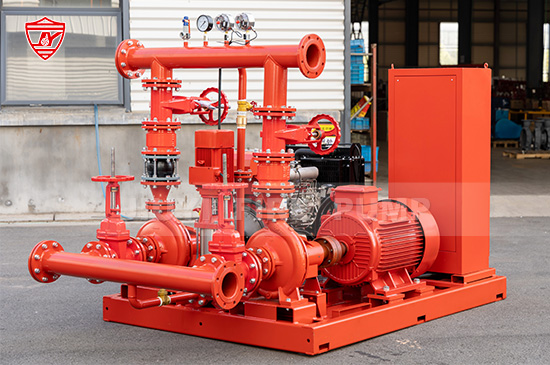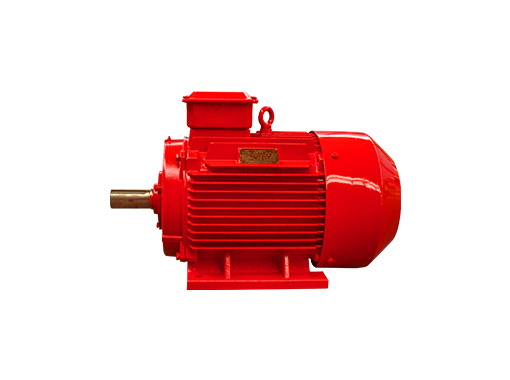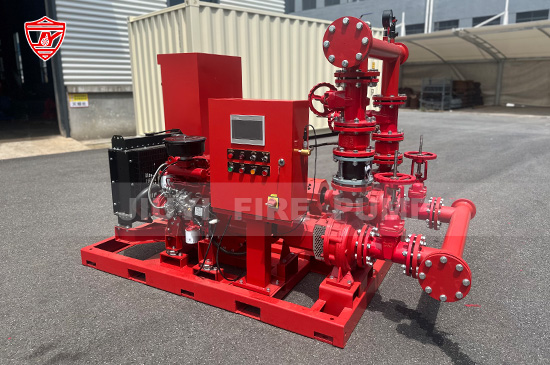
Portable fire pumps play a critical role in emergency response, wildfire suppression, rural firefighting, industrial fire protection, and water transfer operations. Unlike fixed fire pump systems, portable pumps offer mobility and flexibility, allowing firefighters and emergency crews to quickly transport water to locations where hydrants or permanent fire protection systems are unavailable.
However, selecting the right portable pump for firefighting is not as simple as choosing the highest flow rate or the lowest price. Different firefighting scenarios require different pump capacities, pressures, power sources, and operational features. A pump that performs exceptionally well in wildfire suppression may not be suitable for structural firefighting or emergency water supply applications.
This guide explains the most important factors to consider when selecting a portable fire pump and helps buyers make informed decisions that improve firefighting effectiveness and reliability.
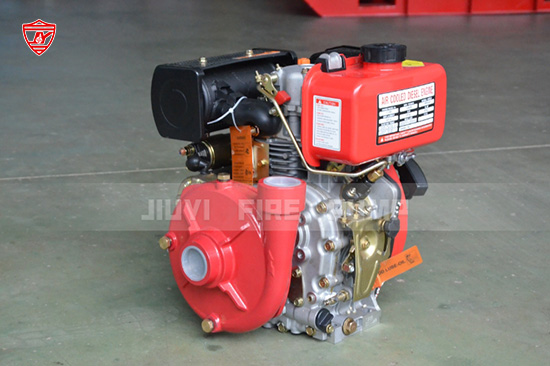
A portable fire pump is a compact, transportable pumping unit designed to move water from a source such as a lake, pond, river, tank, or reservoir to firefighting equipment.
Portable fire pumps are commonly used in:
Their portability allows firefighters to access remote areas where conventional fire suppression infrastructure is unavailable.
The first step in selecting a portable firefighting pump is understanding the intended application.
Wildland and forest firefighting often require lightweight pumps that can be transported over difficult terrain.
Key requirements include:
For these applications, compact gasoline-powered pumps are commonly preferred.
Many rural communities lack hydrant networks, making portable pumps essential.
Important considerations include:
Industrial facilities may use portable pumps as backup firefighting equipment.
Requirements often include:
Portable pumps are frequently used to supplement water supplies during fire emergencies.
These applications often require:
Understanding the application helps narrow down the appropriate pump specifications.
Flow rate is one of the most important criteria when selecting a portable fire pump.
Flow rate refers to the amount of water delivered over a specific period and is typically measured in:
Different firefighting scenarios require different flow capacities.
Typical flow range:
Suitable for:
Typical flow range:
Suitable for:
Typical flow range:
Suitable for:
Selecting a pump with inadequate flow can significantly reduce firefighting effectiveness.
Pressure is just as important as flow rate.
Fire pumps must provide enough pressure to overcome:
A pump with high flow but insufficient pressure may fail to deliver water effectively to the fire scene.
Advantages include:
High-pressure pumps are often preferred for forestry and mountain firefighting applications.
Suitable for:
Pressure requirements should always be evaluated alongside flow requirements.
The available water source greatly affects pump selection.
Common water sources include:
The pump must be capable of efficiently drafting water from the intended source.
Important factors include:
Suction lift refers to the vertical distance between the pump and the water source.
Greater suction lift capability allows more flexibility during deployment.
Portable pumps may use:
Automatic priming systems reduce setup time and improve emergency response efficiency.
Portable fire pumps are available with several power options.
Advantages:
Suitable for:
Advantages:
Suitable for:
Advantages:
Limitations include dependence on power availability.
Electric units are generally used for specialized applications rather than frontline firefighting.
The word "portable" can mean different things depending on operational needs.
Some pumps weigh less than 30 pounds and can be carried by a single firefighter.
Others may weigh several hundred pounds and require:
Key considerations include:
Lighter pumps offer easier transportation but may provide lower performance.
Look for:
Consider whether the pump will be:
The transportation method should align with operational requirements.
Portable fire pumps operate in demanding environments.
Durability is critical.
Common materials include:
Benefits:
Benefits:
Limitations:
Benefits:
Often used in harsh environments and marine applications.
The material should match the expected operating conditions.
Compatibility with existing firefighting equipment is essential.
Verify:
Using incompatible connections during an emergency can cause delays and operational problems.
Standardization simplifies deployment and maintenance.
Extended firefighting operations often require pumps to run continuously.
Evaluate:
A pump with longer runtime reduces refueling interruptions and improves operational efficiency.
For wildfire suppression and remote-area operations, extended runtime is particularly valuable.
Reliable operation depends on regular maintenance.
When comparing portable pumps, consider:
A pump with readily available parts and straightforward maintenance procedures minimizes downtime.
Routine inspections should include:
Safety should never be overlooked.
Important features may include:
These features improve reliability while protecting both operators and equipment.
Depending on the project and region, certain standards may apply.
Potential certifications include:
Purchasing from a reputable manufacturer that follows recognized quality standards helps ensure product reliability and performance.
The quality of the manufacturer is often as important as the pump itself.
Consider:
An experienced fire pump manufacturer can provide guidance on pump selection, installation, operation, and maintenance.
Long-term support becomes especially important for fire departments, industrial facilities, and emergency response organizations.
When selecting a portable firefighting pump, avoid these common mistakes:
The cheapest option may not provide the performance or reliability required during emergencies.
High flow alone does not guarantee effective firefighting performance.
Drafting capability and suction performance must match the available water source.
Insufficient fuel capacity can interrupt firefighting operations.
Complex maintenance procedures may increase downtime and operating costs.
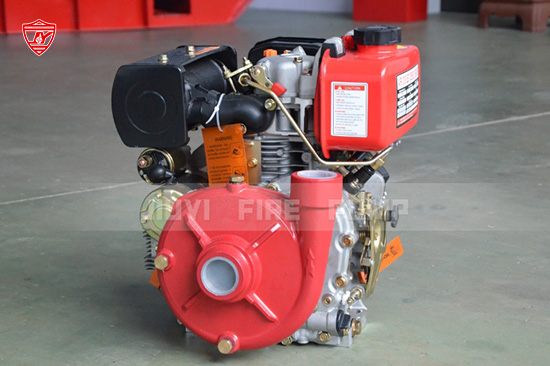
Selecting the right portable pump for firefighting requires careful evaluation of flow rate, pressure, water source conditions, portability, power source, durability, runtime, and maintenance requirements. The ideal portable fire pump should provide reliable performance under emergency conditions while remaining easy to transport, operate, and maintain.