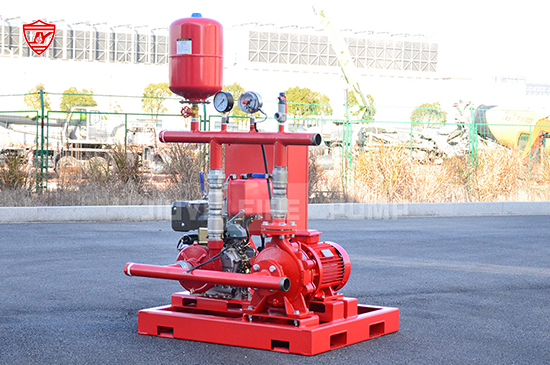
Fire pumps play a critical role in fire protection systems. When a fire emergency occurs, the fire pump provides the necessary water pressure and flow to sprinkler systems, standpipes, hydrants, and other firefighting equipment. In many facilities, including commercial buildings, industrial plants, warehouses, hospitals, airports, and data centers, a properly functioning fire pump can make the difference between a minor incident and a devastating disaster.
However, installing a fire pump is only the first step. Even the highest-quality fire pump system can experience mechanical wear, electrical issues, fuel problems, controller malfunctions, or performance degradation over time. This is why regular fire pump testing is essential. Testing helps verify that the system will operate correctly when needed and ensures compliance with fire protection standards and regulations.
In this article, we will explore why fire pump testing is so important, what risks are associated with inadequate testing, and how regular testing contributes to a safer and more reliable fire protection system.
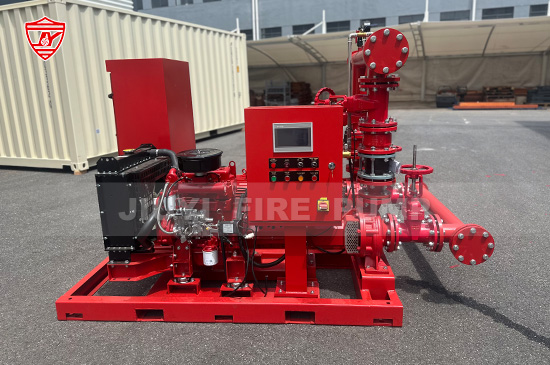
A fire pump is designed to boost water pressure when the available water supply cannot provide sufficient flow or pressure to support firefighting operations. During a fire emergency, sprinkler systems and fire hoses depend on the fire pump to deliver water effectively throughout the protected facility.
Unlike many other building systems, fire pumps may remain idle for extended periods. In some facilities, months may pass without the pump operating under emergency conditions. While inactivity may seem beneficial, it can actually increase the risk of hidden mechanical and operational problems.
Without routine testing, facility owners may have no indication that a component has failed until an actual fire occurs. At that point, the consequences can be severe, including property damage, business interruption, injuries, and even loss of life.
The primary purpose of fire pump testing is to confirm that the pump will perform as designed during an emergency.
A fire pump system consists of multiple components, including:
A failure in any one of these components can compromise the entire system. Regular testing allows operators to identify problems before they become critical.
For example, testing may reveal:
By identifying these issues early, corrective actions can be taken before an emergency occurs.
Fire pump testing is also necessary to comply with fire safety regulations and industry standards.
Many jurisdictions require routine testing and documentation of fire pump performance. Regulatory authorities, insurance companies, and fire safety inspectors often review maintenance and testing records to verify compliance.
NFPA 25, the standard for inspection, testing, and maintenance of water-based fire protection systems, establishes requirements for ongoing fire pump testing. These requirements are designed to ensure that fire pumps remain operational throughout their service life.
Failure to comply with testing requirements can lead to:
Routine testing demonstrates that building owners and facility managers are fulfilling their responsibilities to maintain fire protection systems properly.
One of the most significant benefits of fire pump testing is the ability to uncover hidden mechanical issues.
Because fire pumps are not typically used in daily operations, problems can develop unnoticed over time. Components may deteriorate due to age, environmental conditions, vibration, corrosion, or lack of use.
Common mechanical issues discovered during testing include:
Pump bearings support rotating components and ensure smooth operation. Worn bearings can increase vibration, generate excessive heat, and eventually cause pump failure.
Mechanical seals prevent water leakage around the pump shaft. Damaged seals can result in leaks, reduced efficiency, and equipment damage.
The impeller is responsible for moving water through the pump. Corrosion, erosion, or debris can reduce its effectiveness and impact overall performance.
Improper alignment between the pump and driver can create excessive vibration, reduce efficiency, and accelerate component wear.
Routine testing helps identify these issues before they result in system failure.
A fire pump's primary function is to deliver the required water flow and pressure for firefighting operations.
Over time, various factors can affect performance, including:
Performance testing measures the pump's actual output and compares it to its design specifications.
Testing verifies that the fire pump can:
Without performance testing, a facility may mistakenly assume the fire pump remains capable of protecting the building when, in reality, its performance has significantly degraded.
The ultimate purpose of fire pump testing is life safety.
When a fire occurs, occupants rely on fire protection systems to control or suppress the fire until emergency responders arrive. If the fire pump fails, sprinkler systems and standpipes may not receive sufficient water pressure to function effectively.
The consequences can include:
Routine testing reduces these risks by ensuring that the fire pump remains ready to operate at any moment.
Investing in regular testing is a proactive measure that helps protect employees, customers, visitors, and valuable assets.
Fire pumps represent a significant investment. Like any critical mechanical equipment, they require proper maintenance and testing to achieve maximum service life.
Routine testing helps facility managers:
Rather than waiting for a catastrophic failure, maintenance teams can address issues while they are still manageable and cost-effective.
This proactive approach often results in lower repair costs and improved system reliability over the long term.
Emergency repairs are typically more expensive than planned maintenance.
When a fire pump fails unexpectedly, facility owners may face:
Regular testing helps identify developing issues before they become emergencies.
For example, replacing a weak battery during a scheduled maintenance visit is far less expensive than discovering battery failure during a fire emergency.
Preventive maintenance supported by routine testing can significantly reduce overall operating costs.
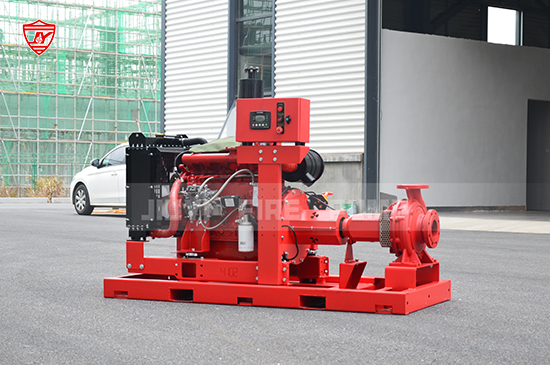
Diesel-driven fire pumps require special attention because they depend on multiple support systems.
In addition to the pump itself, diesel fire pump systems include:
Regular testing verifies that all these components function properly.
Testing can reveal problems such as:
Because diesel fire pumps are often installed as backup systems, testing is especially important to ensure they will start and operate reliably during a power outage or emergency.
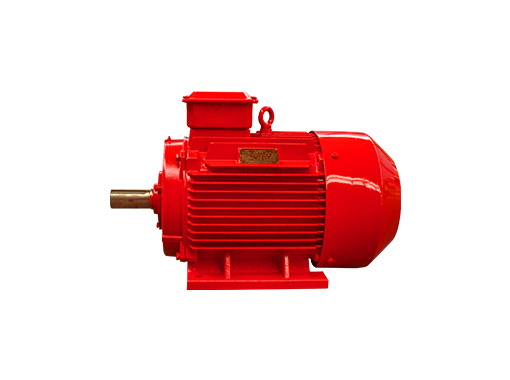
Electric fire pumps also require regular testing despite having fewer moving parts than diesel-driven units.
Testing helps confirm:
Electrical issues can develop gradually and remain unnoticed until the system is needed.
Routine testing ensures that the electric fire pump will start automatically and deliver the required performance during a fire event.
Insurance providers recognize the importance of properly maintained fire protection systems.
Many insurers evaluate fire protection equipment when assessing risk and determining premiums. Comprehensive testing records can demonstrate that a facility actively maintains its fire protection systems.
Well-documented testing programs may contribute to:
Conversely, inadequate maintenance and testing records can create complications after a fire-related loss.
Testing provides valuable documentation regarding the condition of the fire pump system.
Each test creates a performance record that can be used to:
Historical records allow facility managers to compare current performance against previous results and detect gradual deterioration before it becomes a serious problem.
Perhaps one of the most overlooked benefits of fire pump testing is confidence.
Building owners, facility managers, safety officers, insurers, and fire authorities all depend on the fire protection system functioning correctly during an emergency.
Regular testing provides assurance that:
This confidence is invaluable because fire emergencies occur without warning.
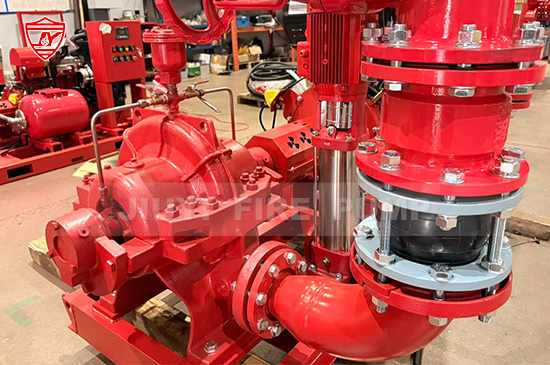
Fire pumps are among the most critical components of any fire protection system. Their ability to deliver adequate water pressure and flow directly affects the effectiveness of sprinklers, standpipes, and firefighting operations.
Regular fire pump testing is essential for verifying performance, ensuring compliance, detecting hidden problems, improving reliability, reducing repair costs, and protecting lives and property. Whether a facility uses an electric fire pump, a diesel fire pump, or a complete fire pump package, routine testing helps ensure that the system will perform when it matters most.