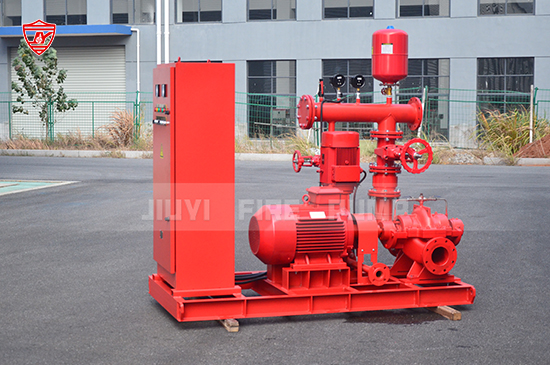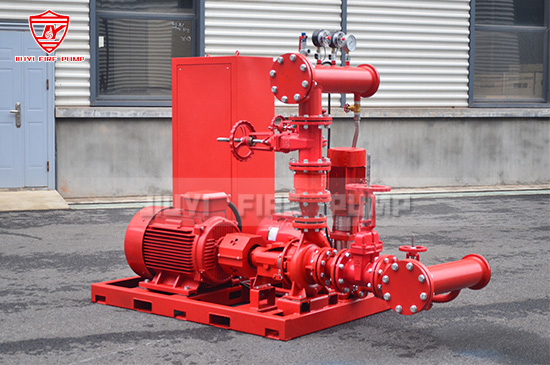
A fire pump is one of the most critical components of any fire protection system. When a building's water supply cannot provide enough pressure for sprinklers, hydrants, or standpipe systems, the fire pump becomes the heart of the firefighting operation. During an emergency, every second matters. If the fire pump fails to start or cannot maintain the required pressure, the consequences can be devastating, resulting in greater property damage, operational losses, and risks to human life.
Surprisingly, most fire pump failures are not caused by manufacturing defects. Instead, they are the result of inadequate maintenance, poor installation, incorrect system design, or neglected inspections. Understanding the reasons behind these failures helps facility managers, fire protection contractors, engineers, and building owners take preventive measures before an emergency occurs.
This article explains the most common reasons why fire pumps fail during emergencies and outlines practical strategies to improve long-term system reliability.
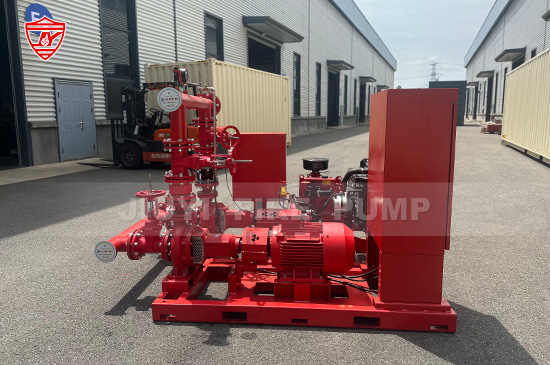
A fire pump is designed to increase water pressure whenever the available water source cannot meet the requirements of the fire protection system. It operates automatically when system pressure drops below a preset level, supplying adequate flow and pressure to sprinklers, hose reels, and hydrants.
Fire pumps are commonly installed in:
Since these facilities often depend on continuous fire protection, fire pumps must remain operational at all times.
Many fire pumps remain idle for months or even years without operating under actual fire conditions. Although they appear ready, hidden mechanical or electrical problems may develop over time.
Because fire pumps are emergency equipment, problems often remain unnoticed until the system is called upon during an actual fire. At that point, even a small issue can prevent successful operation.
Routine testing and preventive maintenance are therefore essential to identify developing faults before they become critical failures.
Poor maintenance is the leading cause of fire pump failure.
Unlike production equipment that operates daily, fire pumps may only run during scheduled testing or actual emergencies. This limited operation can create a false impression that the system remains in perfect condition.
Over time, components deteriorate due to:
Without regular inspections, these problems continue unnoticed until the pump is required.
A preventive maintenance program significantly reduces unexpected failures by detecting wear before it affects performance.
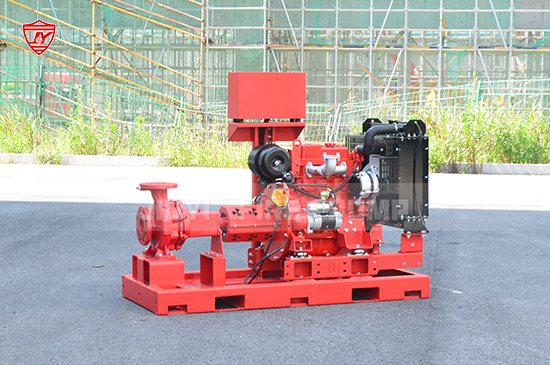
Diesel-driven fire pumps are widely used because they continue operating during power outages. However, diesel engines introduce their own maintenance requirements.
Common starting failures include:
Dead batteries are among the most frequent causes. Since diesel engines depend entirely on battery power for starting, weak or discharged batteries can leave the pump completely inoperable.
Other common issues include:
Routine battery testing and scheduled engine servicing dramatically improve reliability.
Electric fire pumps depend on a stable power supply.
During emergencies, electrical faults may prevent automatic starting.
Potential problems include:
Facilities relying solely on electric fire pumps should ensure backup power systems are properly maintained and periodically tested.
The fire pump controller acts as the brain of the entire system.
It continuously monitors system pressure and automatically starts the pump when pressure drops.
Controller failures may result from:
Modern fire pump controllers often include diagnostic features that help identify problems before they cause system failure.
Regular controller inspections should never be overlooked.
Even the highest-quality fire pump cannot perform properly if installed incorrectly.
Installation mistakes commonly include:
Improper pump alignment
Incorrect suction pipe configuration
Insufficient pipe support
Improper valve positioning
Poor electrical grounding
Inadequate ventilation
Foundation instability
Excessive vibration
These issues increase wear, reduce efficiency, and shorten equipment lifespan.
Professional installation according to recognized fire protection standards is essential.
A fire pump cannot create water—it only increases pressure.
If the available water source cannot deliver sufficient flow, the pump will not perform as expected.
Water supply problems include:
Regular inspection of the complete water supply system is just as important as maintaining the pump itself.
Every rotating machine experiences normal wear over time.
Fire pumps are no exception.
Common mechanical failures include:
Ignoring small mechanical issues often leads to expensive repairs or complete pump failure during an emergency.
Condition monitoring helps identify problems early.
Fire protection systems contain numerous valves that must remain in the correct operating position.
Common valve issues include:
Valve inspections should always be included in routine fire pump testing procedures.
Many organizations mistakenly assume that installing a fire pump guarantees reliable protection.
In reality, routine testing is the only way to verify that every component functions correctly.
Typical testing includes:
Weekly or monthly no-flow tests
Annual flow performance tests
Controller testing
Battery inspection
Pressure verification
Alarm testing
Engine operation checks
Performance testing under load confirms that the fire pump still meets its design capacity.
The pump room environment directly affects equipment reliability.
Poor environmental conditions include:
Maintaining a clean, dry, temperature-controlled pump room significantly extends equipment life.
Human mistakes remain one of the most overlooked causes of fire pump failure.
Examples include:
Proper staff training and documented maintenance procedures help reduce these risks.
Fire pumps often provide early warning signs before complete failure occurs.
Common indicators include:
Prompt investigation of these symptoms prevents more serious failures later.
Organizations can significantly improve emergency readiness by implementing a structured maintenance program.
Recommended practices include:
Establish a preventive maintenance schedule.
Conduct weekly visual inspections.
Perform regular flow testing.
Maintain detailed service records.
Inspect batteries and charging systems frequently.
Keep diesel fuel clean and tanks adequately filled.
Verify valve positions after every maintenance activity.
Calibrate pressure sensing devices.
Monitor vibration and bearing condition.
Replace worn components before they fail.
Train maintenance personnel on fire pump operation.
Use high-quality replacement parts.
Review system performance annually.
Following these practices greatly increases the likelihood that the fire pump will perform as expected during an emergency.
Reliable equipment begins with selecting the right manufacturer.
When evaluating fire pump suppliers, consider:
A reputable manufacturer not only supplies equipment but also provides long-term technical support that contributes to system reliability throughout the product's service life.
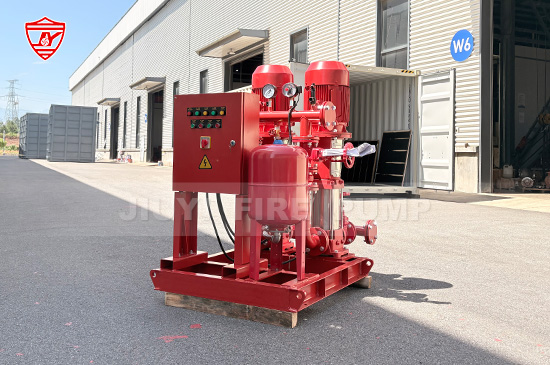
Fire pumps are designed for one purpose: to provide dependable water pressure when a fire threatens lives and property. However, their effectiveness depends on far more than the pump itself. Poor maintenance, installation errors, controller failures, insufficient water supply, diesel engine issues, electrical faults, mechanical wear, and human error can all prevent a fire pump from operating when it is needed most.
Fortunately, nearly all of these failures are preventable. Regular inspections, routine testing, proper maintenance, professional installation, and selecting high-quality equipment from an experienced fire pump manufacturer are the foundation of a reliable fire protection system.