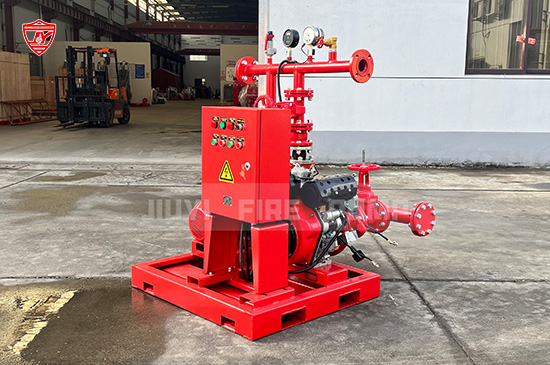
A reliable fire pump system is one of the most critical components of a building’s fire protection infrastructure. When a fire emergency occurs, the fire pump system must deliver sufficient water flow and pressure to sprinkler systems, hydrants, and other firefighting equipment without failure. A poorly designed or improperly maintained system can significantly reduce the effectiveness of fire protection and increase risks to people and property.
Building a dependable fire pump system requires careful planning, correct equipment selection, professional installation, and regular testing. From choosing the right fire pump type to ensuring compliance with industry standards, every step plays an important role in system performance.
As a professional fire pump manufacturer, we understand that reliability is not only about producing high-quality pumps but also about creating complete solutions that meet different project requirements. This guide explains the key factors involved in building a reliable fire pump system.
.jpg)
A complete fire pump system consists of multiple components working together to provide reliable water supply during a fire emergency. Understanding each component is the first step in designing an effective system.
The main components typically include:
Fire Pump
The fire pump is the core component of the system. It provides the pressure and flow required to move water from the source to firefighting equipment. Depending on project requirements, fire pumps can be powered by electric motors, diesel engines, or both.
Common types include:
The correct pump type depends on factors such as water source, required flow rate, pressure requirements, building height, and local regulations.
Jockey Pump
A jockey pump is a small pressure-maintenance pump installed together with the main fire pump. Its purpose is to maintain system pressure and compensate for minor pressure losses caused by small leaks or temperature changes.
By maintaining stable pressure, the jockey pump prevents unnecessary starting of the main fire pump and extends the service life of the entire system.
Fire Pump Controller
The controller manages the operation of the fire pump system. It automatically starts the pump when pressure drops below a preset level and provides monitoring functions for system status, alarms, and operational conditions.
Reliable controllers are essential for ensuring that the fire pump starts quickly during emergencies.
Water Supply Source
A reliable water source is equally important as the pump itself. Possible water sources include:
The water supply must provide enough capacity to support the required firefighting duration.
Selecting the right fire pump requires a detailed understanding of the project’s fire protection requirements. A common mistake is choosing a pump based only on price or basic specifications.
Before selecting a fire pump, engineers should evaluate:
The flow rate determines how much water the pump must deliver during a fire event. It is usually measured in gallons per minute (GPM) or liters per minute (LPM).
The required flow depends on:
Choosing a pump with insufficient flow can result in inadequate fire protection performance.
Pressure is another critical factor. The pump must generate enough pressure to overcome:
For high-rise buildings or large industrial facilities, higher-pressure fire pumps may be required.
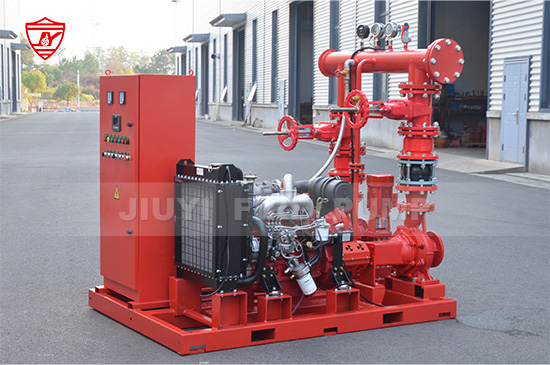
A fire pump must operate even when normal power sources fail. Many projects use backup diesel engine fire pumps to ensure continuous operation during emergencies.
A common reliable configuration is:
This combination provides redundancy and improves system reliability.
The quality of fire pump equipment directly affects system reliability. Fire pumps operate under demanding conditions and may remain unused for long periods before being required during an emergency.
Important factors when selecting a fire pump include:
A reliable fire pump system should comply with recognized industry standards such as NFPA 20 requirements and applicable local regulations.
For international projects, UL listed fire pumps are widely recognized for their quality, safety testing, and reliability.
Certified equipment provides greater confidence that the pump has been tested for performance, durability, and safety.
Choosing an experienced fire pump manufacturer is essential. A professional manufacturer should have:
Manufacturing experience ensures that every pump is produced according to consistent quality standards.
Fire pump materials should be selected based on operating conditions. For example:
The correct materials help improve durability and reduce maintenance requirements.
A reliable fire pump system must be designed according to the actual application environment.
Important design considerations include:
The fire pump room should provide suitable conditions for safe and reliable operation.
Key requirements include:
For diesel fire pumps, proper ventilation and exhaust systems are especially important to ensure engine performance.
Incorrect pipe design can reduce system efficiency. Engineers should consider:
Proper hydraulic calculations help ensure that the pump delivers the required performance.
A fire pump requires a stable water supply at the suction side. Poor suction conditions may cause problems such as cavitation, reduced performance, or pump damage.
The system should ensure:
Even the best fire pump cannot perform reliably if it is installed incorrectly.
During installation, attention should be given to:
Pump and motor alignment affects vibration levels and equipment lifespan. Incorrect alignment can lead to premature bearing failure and mechanical problems.
Electric fire pumps require correct wiring, voltage matching, and reliable power connections. Electrical systems should be installed according to project specifications and safety requirements.
Diesel fire pumps require additional attention, including:
Professional installation ensures that the pump can start immediately when needed.
Testing is one of the most important steps in building a reliable fire pump system.
Before the system is put into service, commissioning should verify:
Performance testing confirms that the system operates according to design requirements.
Regular testing after installation is also necessary. Fire pumps should not be ignored simply because they are emergency equipment. A system that is not tested regularly may fail when it is needed most.
Long-term reliability depends on regular maintenance.
A professional maintenance program should include:
Regular inspections should check:
Testing should confirm that the pump can still provide the required flow and pressure.
Performance may decrease over time due to:
Regular testing helps identify problems before emergencies occur.
Parts such as seals, bearings, batteries, and filters may require replacement during the equipment lifecycle.
Preventive maintenance reduces unexpected failures and extends equipment service life.
A reliable fire pump system starts with reliable equipment. Working with an experienced fire pump manufacturer provides several advantages:
A professional manufacturer can help customers select the correct pump configuration, optimize system performance, and ensure compliance with project requirements.
.jpg)
Building a reliable fire pump system requires more than selecting a pump. It involves proper system design, accurate pump selection, quality equipment, professional installation, thorough testing, and continuous maintenance.
A well-designed fire pump system provides dependable protection when emergencies occur and helps safeguard lives, buildings, and valuable assets.
By choosing high-quality fire pumps from an experienced manufacturer and following industry best practices, building owners, engineers, and contractors can create fire protection systems that deliver reliable performance for many years.
.jpg)