Fire pumps are one of the most critical components in a fire protection system. During an emergency, they provide the water pressure and flow required to protect lives, buildings, and industrial assets. However, like all mechanical equipment, fire pumps require regular inspection, testing, and maintenance to ensure reliable performance.
For many building owners, facility managers, and fire protection contractors, fire pump maintenance costs can become a significant operational expense. Unexpected repairs, component failures, inefficient operation, and improper maintenance practices can increase costs over the service life of the equipment.
The good news is that fire pump maintenance expenses can be reduced through proper planning, preventive maintenance strategies, equipment selection, and professional management. A well-maintained fire pump system not only reduces repair costs but also improves reliability, extends service life, and ensures compliance with fire safety requirements.
.jpg)
Before reducing maintenance costs, it is important to understand what causes expenses to rise. Many high maintenance costs are not caused by the pump itself but by improper operation and management.
One major factor is a lack of preventive maintenance. Waiting until a fire pump fails before performing repairs usually results in higher costs because damaged components may affect multiple parts of the system.
For example, a small issue such as a leaking mechanical seal can eventually lead to bearing damage, motor problems, or reduced pump performance if it is ignored. Early detection allows maintenance teams to solve problems before they become expensive failures.
Another factor is poor installation. Incorrect alignment, improper piping connections, insufficient ventilation, or unsuitable operating conditions can increase vibration, overheating, and wear. A professionally installed fire pump system operates more efficiently and requires fewer repairs.
The quality of the fire pump equipment also directly affects maintenance costs. Low-quality pumps may have shorter service lives, higher failure rates, and more frequent replacement requirements. Selecting reliable fire pumps from experienced manufacturers can significantly reduce long-term expenses.
The most effective way to reduce fire pump maintenance costs is to establish a preventive maintenance program.
Preventive maintenance focuses on regular inspections, testing, and servicing before equipment problems occur. Instead of reacting to failures, maintenance teams identify potential risks early and take corrective actions.
A typical fire pump preventive maintenance program includes:
Regular maintenance helps ensure that every component works properly when needed. It also reduces emergency repair costs and prevents unexpected downtime.
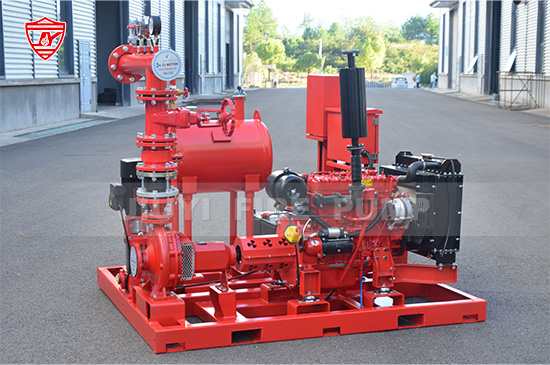
For facilities using diesel engine fire pumps, preventive maintenance is especially important. Diesel engines contain many moving parts, including fuel systems, cooling systems, batteries, and lubrication components. Regular checks can prevent starting failures and engine damage.
Testing is an essential part of fire pump maintenance. A pump that looks normal during inspection may still fail to deliver the required performance during an emergency.
Regular performance testing helps verify:
Fire protection standards such as NFPA 20 and NFPA 25 provide guidelines for fire pump installation, testing, and maintenance. Following recognized standards helps maintain system reliability and prevents costly compliance issues.
Routine testing also provides valuable performance data. By comparing current results with previous test records, maintenance teams can identify gradual performance degradation and schedule repairs before major failures occur.
Equipment selection plays an important role in controlling maintenance costs over the long term.
A reliable fire pump manufactured with quality materials and advanced production technology generally requires fewer repairs and provides longer service life.
When selecting fire pumps, consider:
High-quality pump components improve durability and resistance to wear. Strong materials reduce corrosion, leakage, and mechanical damage, especially in demanding industrial environments.
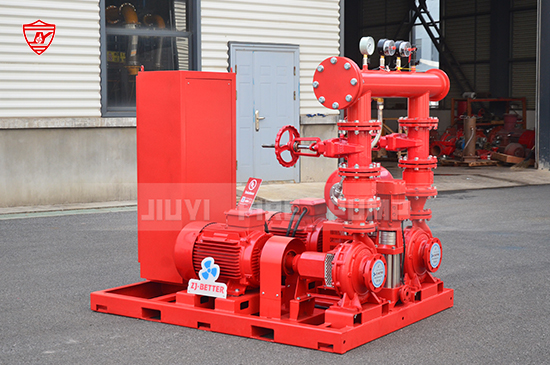
For electric fire pumps, selecting reliable motors with proper protection and efficiency helps reduce electrical problems and operating costs.
For diesel fire pumps, engine quality is critical. A dependable diesel engine ensures quick starting, stable operation, and lower maintenance requirements.
Choosing certified fire pump equipment helps ensure performance reliability. UL Listed fire pumps and pumps designed according to recognized standards are tested for safety and durability.
Although certified equipment may have a higher initial investment, it often provides better long-term value by reducing failures and maintenance expenses.
Fire pumps should always operate under suitable conditions. Poor operating environments can accelerate equipment aging and increase maintenance frequency.
Important factors include:
Dust, moisture, and contamination can damage electrical components, control panels, and mechanical parts. A clean pump room helps prevent unnecessary failures.
Diesel engine fire pumps require adequate ventilation for cooling and combustion. Poor ventilation can cause overheating and reduce engine performance.
Abnormal temperature or vibration often indicates early mechanical problems. Monitoring these conditions allows maintenance teams to identify issues before serious damage occurs.
Fire pumps are emergency equipment and may remain unused for long periods. Regular testing ensures that pumps remain ready for operation and prevents problems caused by inactivity.
Maintenance records are often overlooked, but they are essential for controlling costs.
Detailed records should include:
With accurate records, maintenance teams can identify recurring problems and make better decisions about repairs or replacement.
For example, if a specific component requires frequent replacement, it may indicate a larger system issue. Addressing the root cause is usually more cost-effective than repeatedly repairing the same problem.
Maintenance records also help improve budgeting by allowing companies to predict future maintenance requirements.
Proper training can significantly reduce unnecessary maintenance costs.
Many equipment problems occur because operators do not understand correct operating procedures. Improper starting methods, incorrect valve operation, or delayed response to warning signals can damage fire pump systems.
Training should cover:
Well-trained personnel can identify early warning signs and perform basic checks before calling for professional service.
Working with an experienced fire pump manufacturer or service provider can help reduce long-term maintenance expenses.
Professional suppliers can provide:
Choosing a manufacturer with strong engineering capabilities and reliable after-sales support ensures that maintenance problems can be solved quickly and efficiently.
For large industrial facilities, commercial buildings, and infrastructure projects, professional technical support can prevent costly downtime and extend equipment lifespan.
Reducing fire pump maintenance costs does not mean reducing maintenance frequency. In fact, proper maintenance investment is one of the best ways to control long-term expenses.
A well-planned maintenance strategy helps prevent unexpected failures, improve operating efficiency, and maximize the service life of fire pump equipment.
The most effective approach includes:
.jpg)
Fire pumps are essential safety equipment, and their reliability directly affects the protection of people and property. By adopting proactive maintenance practices, companies can reduce costs while maintaining the highest level of fire protection performance.
For fire pump manufacturers, providing reliable products and technical support is not only about delivering equipment but also about helping customers achieve safer, more efficient, and more cost-effective fire protection systems.