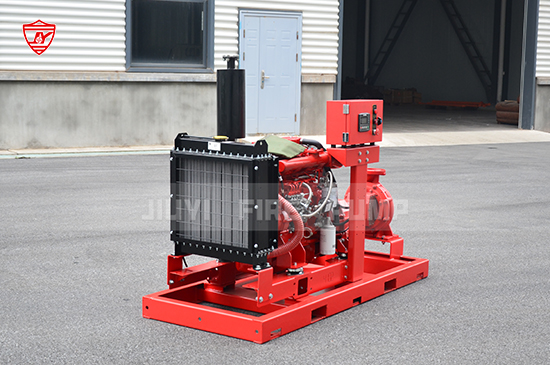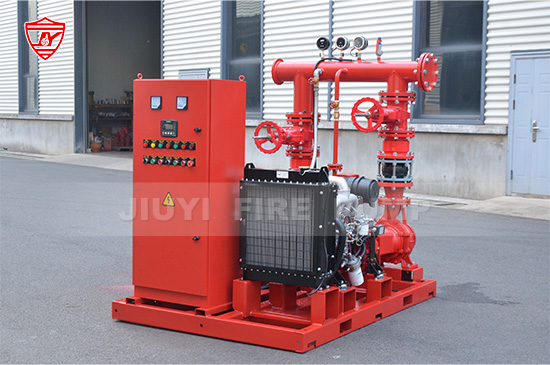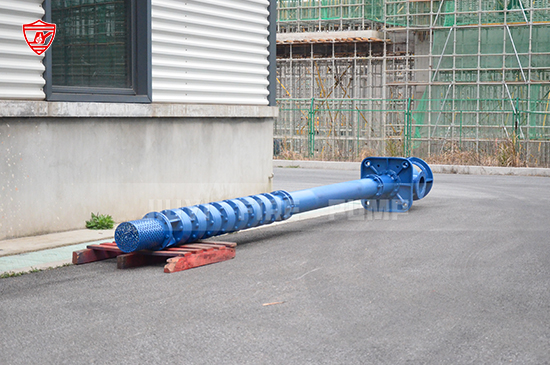
Fire pumps are one of the most critical components in any fire protection system. During a fire emergency, the entire firefighting system depends on the fire pump to deliver adequate water pressure and flow to sprinklers, hydrants, and standpipe systems. If the fire pump fails at the moment it is needed most, the consequences can be catastrophic, leading to property loss, business interruption, and threats to human life.
Many fire pump failures occur not because of manufacturing defects, but because of poor maintenance, improper installation, lack of testing, or overlooked warning signs. Preventing failure requires a proactive approach that combines regular inspections, performance testing, proper system design, and operator training.
This article explains the most common causes of fire pump failure and provides practical strategies to ensure reliable operation during emergencies.
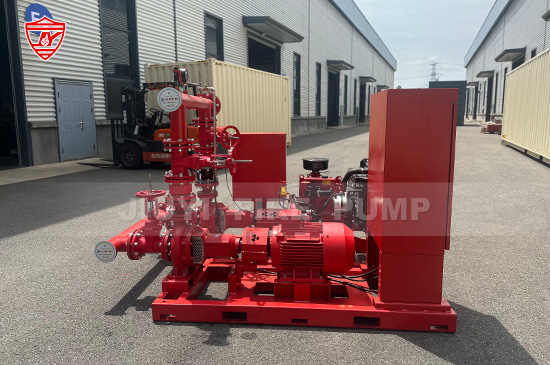
Preventing failure starts with understanding why fire pumps stop working. Some of the most common causes include:
In many cases, small issues develop gradually over time and remain unnoticed until an emergency occurs. Regular inspections and testing help identify these problems early before they affect system performance.
Routine inspection is one of the most effective ways to prevent emergency failure. Fire pump systems should be visually inspected weekly and thoroughly tested according to applicable fire safety standards.
During inspections, operators should check:
The fire pump room should remain clean, dry, and properly ventilated. Excessive humidity, dust, or poor ventilation can damage electrical components and reduce equipment lifespan.
Any unusual condition should be investigated immediately instead of waiting until the next scheduled maintenance cycle.
Testing verifies whether the fire pump can operate correctly under emergency conditions. Even a pump that appears normal externally may fail during operation if internal components are damaged or worn.
Weekly churn tests are commonly performed to confirm automatic starting capability. During the test, operators should verify:
Monthly and annual flow tests are equally important because they measure actual pump performance under load conditions.
Performance testing helps identify:
Without regular testing, hidden problems may remain undetected until a real fire emergency occurs.
Power failure is a major reason why electric fire pumps fail during emergencies. Electrical systems supporting fire pumps must be designed for maximum reliability.
Key preventive measures include:
Loose or corroded connections can interrupt power supply or cause overheating. Electrical panels and wiring should be checked regularly for signs of damage or discoloration.
Unstable voltage can damage motors and controllers. Voltage monitoring systems and surge protection devices help maintain stable operation.
Facilities using emergency generators must test them regularly to ensure the fire pump receives uninterrupted power during outages.
The fire pump controller acts as the brain of the system. Any malfunction can prevent startup during emergencies. Controllers should be inspected for alarm conditions, damaged components, and communication failures.
Diesel engine fire pumps provide critical backup protection when electrical power is unavailable. However, diesel systems require additional maintenance attention.
Battery failure is one of the leading causes of diesel pump startup failure. Weak batteries, corroded terminals, or faulty chargers can prevent the engine from starting.
Operators should:
Contaminated or degraded diesel fuel can damage injectors and reduce engine reliability. Fuel tanks should be inspected periodically for water contamination, sludge, or microbial growth.
Diesel engines should run periodically under load conditions to confirm proper performance. Long periods of inactivity may lead to lubrication problems, seal deterioration, or mechanical sticking.
Even a perfectly functioning fire pump cannot perform without sufficient water supply.
Common water supply issues include:
Operators should regularly inspect water storage systems, suction pipes, and isolation valves to ensure uninterrupted water flow.
For vertical turbine fire pumps, maintaining proper water level is especially important because insufficient submergence can cause cavitation and severe pump damage.
Cavitation occurs when vapor bubbles form inside the pump due to inadequate suction pressure. These bubbles collapse violently and can damage impellers, reduce efficiency, and create excessive vibration.
Signs of cavitation include:
To prevent cavitation:
Overheating is another serious issue. Fire pump rooms should maintain proper ventilation to prevent motors and engines from operating at excessive temperatures.
Corrosion gradually weakens pipes, valves, impellers, and pump casings. In coastal, humid, or industrial environments, corrosion risk is even higher.
Preventive measures include:
Regular flushing of systems can also help remove debris and sediment that contribute to internal corrosion.
Incorrect pressure settings can create serious operational problems during emergencies.
Common issues include:
Pressure switches and sensing lines should be calibrated regularly. Jockey pumps must also maintain proper pressure balance within the system.
Improperly adjusted jockey pumps may cause the main fire pump to start unnecessarily, increasing wear and energy consumption.
Even the best fire pump equipment can fail if operators do not understand how to maintain or respond to system issues.
Personnel responsible for fire pump systems should receive training on:
Emergency drills help staff become familiar with system operation under realistic conditions.
Facilities should also maintain updated operating manuals and maintenance records for quick reference.
Maintenance documentation is essential for identifying recurring issues and verifying compliance with fire protection standards.
Records should include:
Accurate records help maintenance teams identify trends before failures occur.
For example, gradual pressure reduction over several months may indicate impeller wear or pipe blockage that requires corrective action.
Many fire pump failures happen because aging components remain in service too long.
Critical parts that require periodic replacement include:
Waiting until components fail completely increases emergency risk and may cause secondary damage to the entire system.
Preventive replacement schedules improve long-term reliability and reduce unexpected downtime.
System reliability starts with proper equipment selection. Fire pumps should comply with recognized fire protection standards and be manufactured using high-quality materials and engineering practices.
When selecting a fire pump system, buyers should evaluate:
Proper sizing is equally important. An oversized or undersized fire pump can create operational inefficiencies and reliability problems.
In addition to routine in-house inspections, facilities should schedule annual evaluations by qualified fire protection professionals.
Professional assessments may include:
Third-party evaluations provide an additional layer of safety and help identify hidden problems that routine inspections may miss.
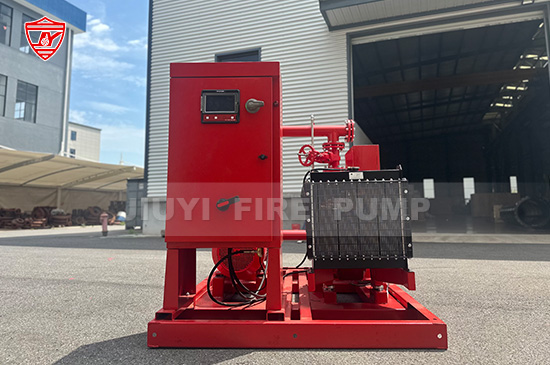
Fire pump failure during an emergency can have devastating consequences, but most failures are preventable through proper maintenance, regular testing, and proactive system management.
Reliable fire pump performance depends on multiple factors, including power supply stability, water availability, controller reliability, equipment condition, and operator readiness. Small maintenance issues that are ignored today can become major failures during a fire emergency.
By implementing regular inspections, maintaining accurate records, replacing aging components, and following recognized fire protection standards, facilities can significantly reduce the risk of fire pump failure and ensure dependable operation when it matters most.