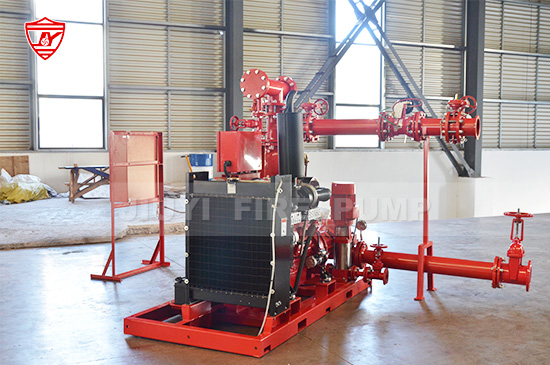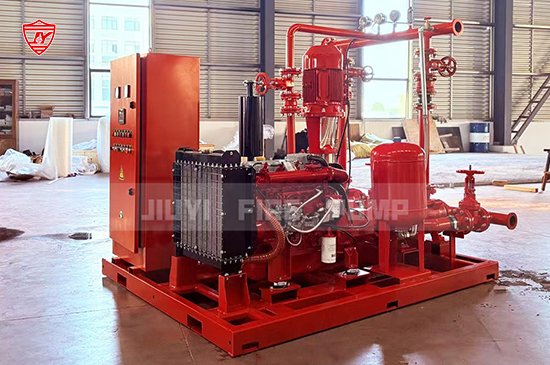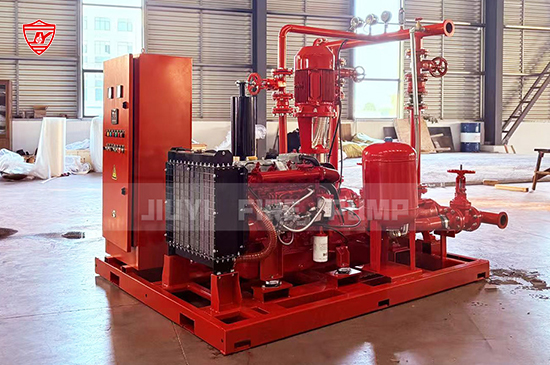
Fire pumps are crucial components in fire protection systems, ensuring that buildings and facilities receive the required water pressure in the event of a fire. However, like all mechanical systems, fire pumps can face performance issues over time. One of the most critical problems is overload, which can lead to equipment failure, inefficiency, or even complete malfunction during an emergency. In this article, we will explore how to prevent fire pump overload, ensuring that your fire pump operates at peak efficiency when needed the most.
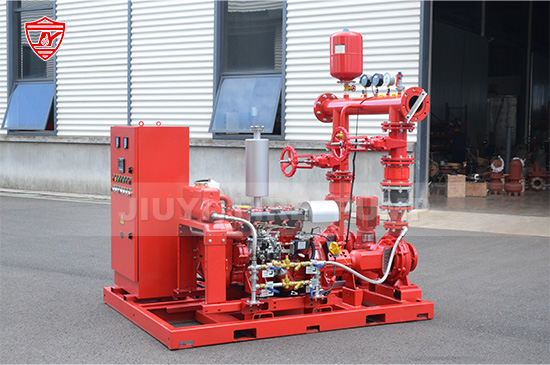
Before delving into preventive measures, it’s essential to understand what fire pump overload is. Fire pump overload occurs when the pump operates beyond its designated capacity. This can happen for a variety of reasons, including improper sizing, poor maintenance, or a fault in the system. When a fire pump is overloaded, it might not deliver the required pressure and flow rate, which can compromise the effectiveness of the fire suppression system. In extreme cases, overload can cause the pump to fail, leading to potentially catastrophic results during a fire.
Recognizing the signs of overload early can help in taking corrective measures before the situation escalates. Some common signs of fire pump overload include:
Recognizing these signs early and taking corrective actions can prevent a fire pump from reaching critical levels of overload.
One of the most common causes of fire pump overload is improper sizing. A fire pump that is too small for the intended application will struggle to maintain the required flow rate and pressure. On the other hand, an oversized pump can lead to excessive power consumption, making it more prone to overload.
When selecting a fire pump, it is crucial to ensure that it matches the specifications of the fire protection system. This involves evaluating factors such as the water source, system pressure requirements, and the total volume of water needed. Having an experienced engineer assess these needs can help ensure the right pump is selected for the job.
Routine maintenance is essential for keeping fire pumps in optimal condition. A well-maintained pump is less likely to experience overload issues. Regular maintenance tasks include checking the motor for signs of wear, inspecting the pump impeller, and ensuring the bearings are lubricated. Pump strain can also be reduced by cleaning the pump and ensuring that the valves, pipes, and seals are free of debris or blockages.
The National Fire Protection Association (NFPA) recommends that fire pumps be tested and inspected at least once a year. The tests should include running the pump at various flow rates and pressures to check for proper operation. Preventive maintenance also involves replacing worn-out parts before they cause failures that could lead to overloads.
Using monitoring systems to track pump performance in real-time can help identify issues before they cause damage. Smart sensors can measure parameters such as current draw, temperature, and vibration levels, providing an early warning of potential overload conditions. If any of these parameters deviate from normal operating ranges, maintenance personnel can investigate and take corrective actions before the situation worsens.
Investing in pump monitoring systems ensures that you have constant visibility into the health of the fire pump, making it easier to schedule maintenance and detect overload risks early.
Improper electrical connections or inadequate power supply can lead to overloading of the fire pump motor. Overvoltage or undervoltage can cause the pump to run inefficiently or at an excessive load, increasing the risk of overload. Ensure that electrical wiring is properly sized and that the voltage matches the requirements of the fire pump motor.
In addition, using appropriate circuit protection devices (e.g., overload relays and fuses) can protect the motor from being damaged by electrical faults, which could lead to overload situations.
In some cases, system modifications can help prevent overloads. For example, if the fire pump is part of a larger network of pumps, installing automatic flow control systems can help balance the load across multiple pumps, reducing the chances of overloading any single pump.
Similarly, if the pump is often required to run for extended periods or under varying loads, installing a variable frequency drive (VFD) can help regulate the pump’s speed, making it more adaptable to changing conditions without overloading.
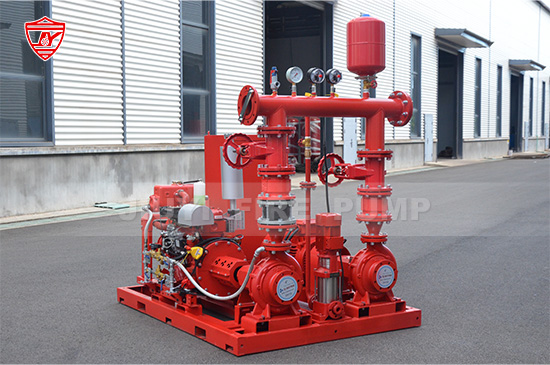
In some fire pump systems, a jockey pump is used to maintain system pressure in the fire protection system. The jockey pump runs continuously, ensuring that the main fire pump only starts when there is a significant demand for water. This helps reduce the frequency with which the fire pump operates, lowering the chances of overloading. Jockey pumps are particularly useful in systems that experience frequent fluctuations in pressure, ensuring that the main pump is not unnecessarily engaged.
Educating personnel about the proper operation and maintenance of fire pumps is essential for preventing overloads. Operators should be trained on recognizing the early signs of overload and understanding the operational parameters of the fire pump. Proper training will help ensure that the pump is operated within its design limits, reducing the risk of damage and increasing its longevity.
As fire pump systems age, their performance may degrade, and the risk of overload can increase. Over time, the efficiency of the pump motor and components can decrease, making it more susceptible to overload conditions. If your fire pump is older or has experienced multiple failures, it might be time to consider upgrading to a newer model with enhanced features and greater reliability.
Modern fire pumps are often more energy-efficient, and they may include advanced features like variable speed drives and better control systems, which can help prevent overloads by adapting to varying system conditions.
Fire pump overload is a serious issue that can compromise the effectiveness of a fire protection system. However, by taking the necessary precautions, including proper pump sizing, regular maintenance, monitoring performance, and educating personnel, you can significantly reduce the risk of overloads. Additionally, using system modifications like jockey pumps and VFDs can further enhance the performance and reliability of your fire pump. By implementing these strategies, you ensure that your fire pump will perform efficiently and reliably, providing essential fire protection when it’s needed most.