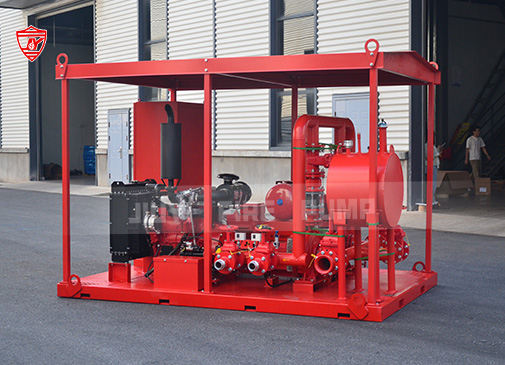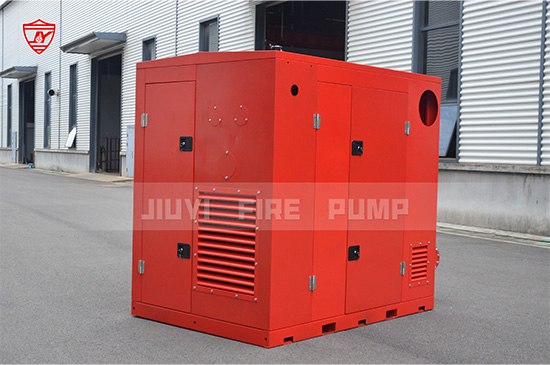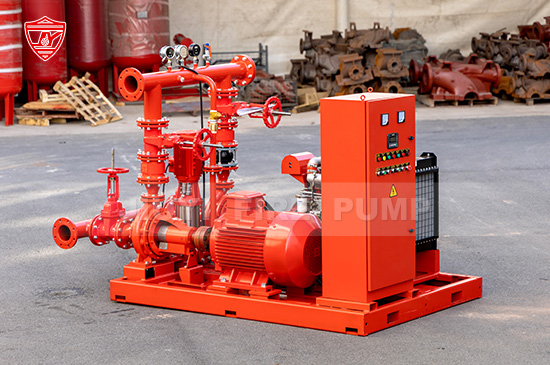
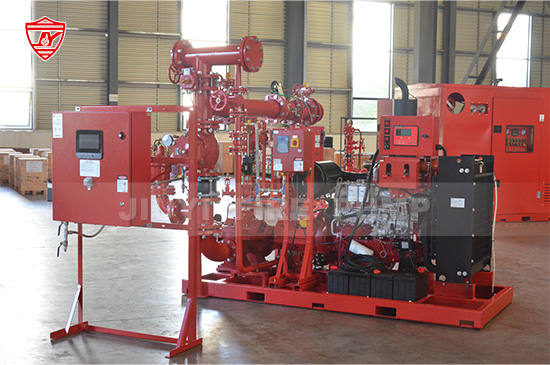
Diesel engine fire pumps are essential equipment for ensuring fire protection in critical environments. They are widely used in industrial, commercial, and residential properties to fight fires by supplying pressurized water. However, like any machinery, these pumps require regular servicing and maintenance to ensure that they function optimally when needed most. In this article, we’ll explore how to properly service diesel engine fire pumps and ensure that they remain in peak working condition.
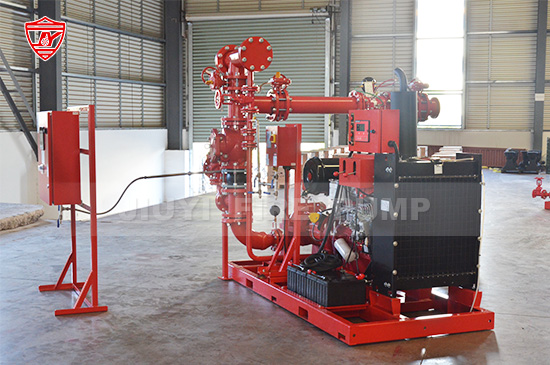
Before diving into servicing, it’s important to understand how diesel engine fire pumps work. These pumps are powered by diesel engines, which are known for their reliability and robustness, especially in emergency situations where electrical power may not be available. Diesel fire pumps provide a high volume of water under pressure, which is crucial for firefighting operations.
The primary components of a diesel engine fire pump include:
For a diesel engine fire pump to be effective, it must be maintained regularly, ensuring all components are in working order.
Regular maintenance is crucial to ensuring your diesel engine fire pump operates smoothly. A maintenance schedule should be established to inspect all the key components and perform routine tasks such as changing fluids, inspecting fuel systems, and ensuring no parts are worn out or need replacing. The schedule should be based on both manufacturer recommendations and the frequency of usage.
Here are some essential tasks to include in your maintenance schedule:
By performing these checks at regular intervals, you will significantly reduce the risk of unexpected breakdowns and ensure the pump is ready when a fire emergency occurs.
The pump itself is the most critical component of the system. It needs to be in top condition to deliver the high-pressure water required for firefighting. Regular mechanical checks are necessary to detect any wear, damage, or potential failure points. The following should be routinely checked:
A well-maintained pump is key to ensuring that the water supply during a fire emergency is consistent and at the required pressure.
A key part of servicing diesel engine fire pumps is performing regular tests to simulate real-world emergency conditions. This ensures that all components of the fire pump system, including the engine, pump, and control system, work as expected when activated during an emergency. Testing the pump under actual conditions can highlight issues that may not be visible during routine checks.
Testing under actual or simulated conditions allows you to spot potential issues early and rectify them before they affect the fire pump’s performance during an emergency.
Cleaning the diesel engine fire pump is a critical aspect of its maintenance. Dirt and debris can clog the system, leading to inefficient operation or even damage to components. Clean the engine, pump, and surrounding areas regularly to prevent the buildup of contaminants.
Cleaning and corrosion prevention are often overlooked but are crucial to extending the life of the pump and ensuring its reliability.
Despite regular servicing, certain parts of the diesel engine fire pump will wear out over time. It’s essential to replace worn-out components before they fail during a firefighting operation. Common parts that may need replacing include:
By staying proactive about replacing worn-out parts, you can avoid costly repairs and ensure your fire pump continues to operate when needed most.
Proper documentation is vital for tracking the history of maintenance and service on your diesel engine fire pump. Keep a detailed record of all inspections, repairs, and replacements. This information can be invaluable for troubleshooting problems, ensuring warranty compliance, and assisting technicians during future service.
Create a service log that includes:
Maintaining thorough documentation helps maintain the reliability and longevity of the pump and supports better decision-making regarding future maintenance.
Diesel engine fire pumps are critical for fire protection, and proper servicing is essential for their efficient and reliable operation. Regular inspection, maintenance, and testing will ensure that your fire pump performs optimally during an emergency. By following the best practices outlined in this article, you can maximize the life and efficiency of your diesel engine fire pump and minimize the risk of unexpected failures.
Maintaining these pumps not only ensures the safety of the facility they protect but also helps avoid costly repairs and downtime. Always remember, a well-serviced diesel engine fire pump is your first line of defense in the event of a fire.