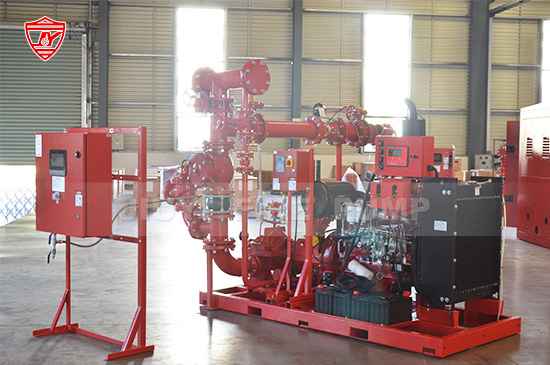
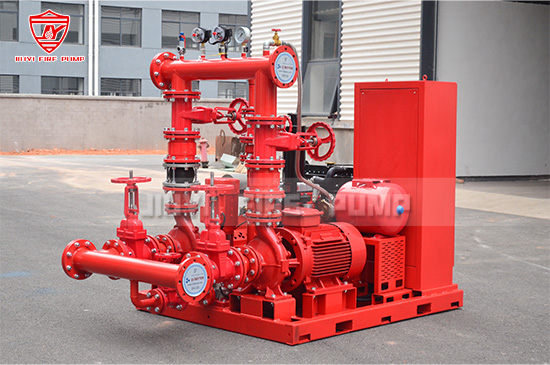
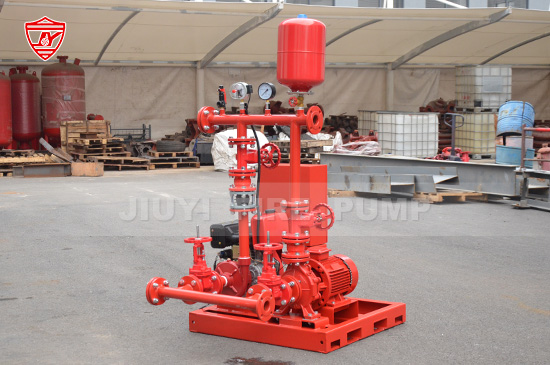
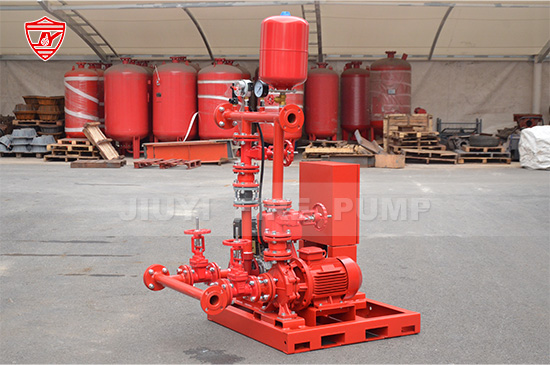
A fire pump is an essential component in any fire protection system, ensuring that water is delivered to the sprinklers and fire hoses during an emergency. However, like any mechanical equipment, fire pumps can fail if not properly maintained, potentially putting lives and property at risk. Understanding the common causes of fire pump failure and knowing how to prevent them is key to keeping your fire protection system reliable.
This article will explore the primary reasons why fire pumps fail, the consequences of failure, and how regular maintenance, testing, and proper installation can prevent these issues. By following the advice in this article, you can help ensure that your fire pump will be ready when it’s needed the most.
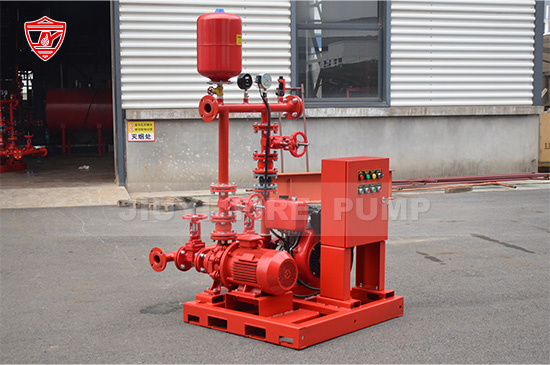
1. Lack of Regular Maintenance
One of the most common reasons fire pumps fail is the lack of regular maintenance. Like any mechanical system, fire pumps require consistent care to function correctly. Ignoring or delaying routine maintenance can lead to wear and tear, rust, and ultimately system failure.
Preventative Measures:
- Monthly Inspections: Perform a quick check-up every month to ensure that the fire pump is operational. Look for leaks, unusual noises, and vibration.
- Quarterly Service: Every three months, conduct a more in-depth inspection. This should include testing the motor, inspecting the water tank and pipes, and making sure the system’s pressure is within the recommended range.
- Annual Comprehensive Maintenance: Have a qualified technician perform a thorough inspection once a year, including a detailed evaluation of all components, including electrical parts, engine, pump casing, and water supply.
2. Corrosion and Wear
Corrosion is another frequent issue with fire pumps, particularly in areas with high humidity, saltwater exposure, or where water quality is poor. Corroded parts, such as impellers, shafts, or bearings, can cause mechanical failure.
Preventative Measures:
- Protective Coatings: Use corrosion-resistant materials or apply protective coatings to the fire pump components to reduce the risk of rust and wear.
- Regular Cleaning: Clean the pump and its components periodically to prevent debris buildup, which can trap moisture and accelerate corrosion.
- Proper Storage: In areas with harsh environmental conditions, store fire pumps in protective enclosures or under covers to minimize exposure to corrosive elements.
3. Power Supply Issues
Fire pumps, particularly those driven by electric motors, can fail if there is an issue with the power supply. A loss of power can occur due to electrical faults, tripped breakers, or external power failures, leaving the pump inoperable during an emergency.
Preventative Measures:
- Backup Power Systems: Install a reliable backup power system such as a generator or battery backup. This ensures the fire pump can still operate if there is a power outage.
- Electrical Inspections: Have an electrician inspect the wiring and power connections regularly. Ensure all electrical systems are properly grounded and protected from overload.
- Test Power Supply: Conduct regular tests of the fire pump system's power supply to make sure it responds correctly during a power failure.
4. Incorrect Sizing
Another common cause of fire pump failure is using an undersized or oversized pump. If the pump is too small, it won’t be able to provide the required water pressure. If it is too large, it could operate inefficiently, leading to unnecessary wear and excessive energy consumption.
Preventative Measures:
- Proper Sizing: Work with a fire protection engineer to ensure the fire pump is correctly sized for your building’s requirements. Ensure that the pump’s capacity matches the water demand of the fire suppression system.
- System Evaluation: Periodically evaluate the building’s water needs, especially after modifications or expansions, to ensure the fire pump continues to meet the necessary specifications.
5. Clogged or Blocked Water Supply
Fire pumps rely on a steady and uninterrupted supply of water to operate correctly. A blocked or contaminated water supply is a major cause of pump failure, as it can prevent the pump from drawing the water needed for firefighting.
Preventative Measures:
- Regular Water Source Checks: Ensure that the water source feeding the fire pump is free of debris and sediment. Install filters and strainers to prevent foreign objects from entering the system.
- Maintain Clear Water Lines: Inspect and clean the water lines leading to the pump regularly. Clear any blockages, and check for leaks in the pipes.
- Test Water Flow: Perform water flow tests periodically to verify that the system has adequate pressure and flow rate.
6. Mechanical Failures
Mechanical failures, such as broken components, worn-out seals, or malfunctioning parts, can cause the fire pump to fail. Over time, the pump’s moving parts may degrade due to constant wear, resulting in mechanical issues.
Preventative Measures:
- Component Replacement: Replace components such as seals, gaskets, and bearings at regular intervals, as per the manufacturer’s guidelines.
- Lubrication: Ensure that all moving parts are adequately lubricated to reduce friction and wear.
- Monitor System Performance: Pay attention to abnormal noises, vibrations, or overheating, which could indicate a mechanical issue.
7. Pump Cavitation
Cavitation occurs when the pressure inside the pump drops below the vapor pressure of the water, causing the formation of vapor bubbles that can damage the pump’s internal components. This condition can lead to significant damage to the pump and reduced efficiency.
Preventative Measures:
- Proper Pump Installation: Ensure that the fire pump is installed at the correct elevation and with the proper piping configuration to prevent cavitation.
- Check Suction Pressure: Monitor the suction pressure regularly to ensure it remains above the required threshold to avoid cavitation.
- Flow Control: Adjust flow rates as necessary to prevent the pump from operating under conditions that could cause cavitation.
8. Improper System Installation
The improper installation of a fire pump system is a leading cause of failure. Issues such as incorrect alignment, poorly connected pipes, and insufficient pressure settings can hinder the fire pump’s performance.
Preventative Measures:
- Hire Qualified Installers: Always hire qualified professionals to install the fire pump system. Ensure they follow the manufacturer’s specifications and guidelines to guarantee proper installation.
- Inspect Installation: After installation, conduct a thorough inspection of the entire system, including pipework, electrical connections, and the pump itself, to ensure everything is correctly installed and functioning.
9. Inadequate Testing
Regular testing is vital to ensuring that a fire pump will operate effectively when needed. Failure to conduct adequate testing or performing it improperly can result in undetected faults or issues.
Preventative Measures:
- Monthly Testing: Test the fire pump at least once a month, and ensure all components are functioning correctly. This includes checking for water flow, pressure, and alarm signals.
- Annual Full-Scale Testing: Perform a full-scale test of the fire pump system annually, simulating an actual fire scenario to ensure it operates as intended.
- Document Tests: Keep detailed records of all tests and maintenance activities to track performance and identify trends that might indicate future issues.
Conclusion
A well-maintained fire pump system is essential for protecting lives and property in the event of a fire. By understanding the common causes of failure and implementing the appropriate preventative measures, you can significantly reduce the likelihood of pump failure and ensure that your fire protection system functions effectively when needed.
Regular maintenance, proper installation, and consistent testing are the pillars of a reliable fire pump system. Addressing issues like corrosion, power failures, mechanical wear, and cavitation early on will go a long way in preventing costly repairs and, most importantly, ensuring safety during an emergency.