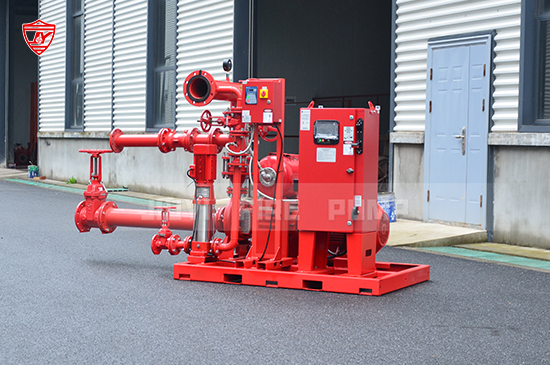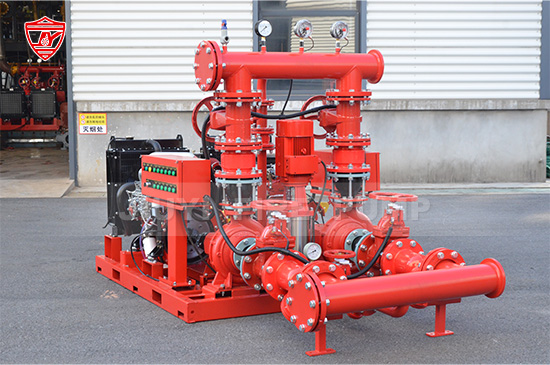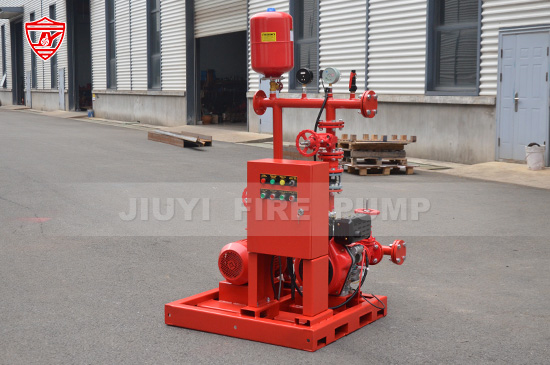
Fire pumps are a critical component in fire protection systems, designed to ensure an adequate water supply to suppress fires in buildings and facilities. Their primary role is to provide consistent pressure and flow to sprinkler systems, hydrants, and other fire suppression equipment. A properly functioning fire pump can make the difference between a controlled fire and a devastating disaster. However, like any mechanical system, fire pumps require regular maintenance to keep them in peak condition. Overlooking fire pump maintenance can lead to catastrophic failure, endangering lives, property, and the entire firefighting effort.
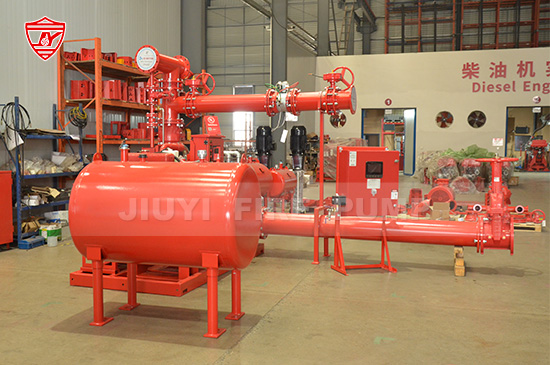
Fire pumps, whether diesel-driven or electric, work under demanding conditions. They are built to perform in emergencies, when every second counts. However, just like any other piece of heavy machinery, fire pumps require attention to function correctly. Fire pump maintenance ensures that all components—from the motor to the pump impeller and valves—are in optimal working condition when needed most.
By performing regular maintenance checks, any potential issues can be caught early, preventing breakdowns during an emergency situation. Preventive maintenance also helps to extend the life of the fire pump, saving significant costs on repairs or replacements. More importantly, it helps maintain the safety of the building and its occupants by ensuring that the fire protection system is always ready for action.
Neglecting fire pump maintenance can result in several risks, some of which may lead to catastrophic consequences. Here are a few of the most common dangers associated with failing to maintain fire pumps:
A fire pump's primary role is to function under high-pressure conditions to deliver water during a fire. When it fails due to lack of maintenance, the entire fire protection system becomes ineffective, increasing the risk of severe fire damage. For instance, if a pump's mechanical seal is worn out or a valve is clogged, the pump may not operate at full capacity or could even fail entirely.
Proper water flow is essential for controlling a fire. Fire pumps are calibrated to deliver a specific flow rate at a certain pressure. If not properly maintained, components like the impeller or motor can become damaged or inefficient, leading to a reduced flow rate. Low water pressure can make it difficult, or even impossible, to extinguish the fire, leading to property loss and putting lives at risk.
Pumps are powered by electric motors or diesel engines, both of which generate heat during operation. If cooling systems or filters are not regularly cleaned and inspected, the motor or engine can overheat, causing the pump to shut down or fail. In extreme cases, overheating can cause permanent damage to the motor, leading to costly repairs and extended downtime.
Fire pumps, particularly those installed in wet environments, are susceptible to corrosion and rust. Over time, exposure to moisture can weaken metal components, affecting the pump's performance and reliability. If corrosion is not identified and addressed promptly, it can cause serious internal damage to the pump, leading to costly repairs or the need for a complete replacement.
Leaking seals and gaskets are common signs of wear and tear in fire pumps. These components are designed to keep water and other fluids contained within the pump. If they become damaged or worn out, leaks can occur, leading to reduced efficiency, potential water damage, and, in some cases, complete pump failure. Regular maintenance inspections can help identify leaks before they escalate into larger, more costly issues.
A thorough fire pump maintenance program should cover a wide range of components. Proper attention to each of these areas ensures that the fire pump remains in top condition, capable of performing during an emergency.
Fire pumps should be inspected at least once a year. During the inspection, a technician will check for any visible signs of damage or wear, including leaks, rust, and corrosion. The technician will also assess the pump's performance, making sure it operates within the specified flow and pressure range.
Lubrication is essential to ensure that the moving parts of the fire pump, such as bearings and shafts, operate smoothly and without excessive friction. Lack of lubrication can lead to overheating, wear, and eventual pump failure. The lubrication schedule should follow the manufacturer’s guidelines, with special attention paid to oil and grease levels.
Regular calibration of the pump's flow and pressure is crucial to ensure optimal performance. Over time, the calibration can drift, affecting the pump’s efficiency. A trained technician will adjust the settings to ensure that the pump meets the required standards for pressure and flow.
Both diesel and electric fire pumps rely on engines or motors to operate. Diesel engines, in particular, require regular checks to ensure they are running smoothly. This includes checking fuel filters, coolant levels, exhaust systems, and battery charges. For electric motors, checking the wiring, connections, and motor function is crucial to ensure there are no electrical failures during operation.
The valves and piping connected to the fire pump are essential for directing water flow to the fire protection system. Regular maintenance should include cleaning and inspecting valves for leaks and blockages. Piping should also be checked for any signs of wear, corrosion, or damage that could impede water flow.
Most fire pumps are equipped with alarm systems to alert personnel in case of malfunction. It is important to regularly test these systems to ensure that they are functioning correctly. Testing the alarms ensures that any issues with the pump are detected immediately, allowing for rapid intervention.
The consequences of neglecting fire pump maintenance can be dire. If a fire pump fails during an emergency, it can lead to the following outcomes:
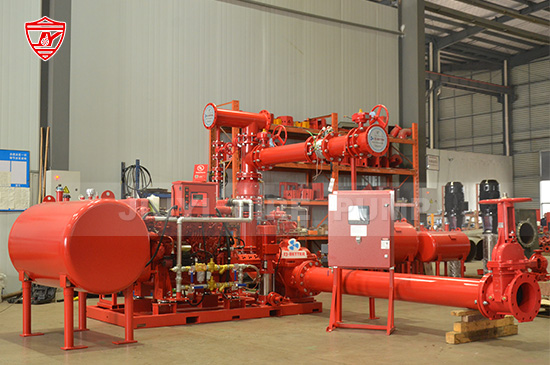
Fire pumps play a pivotal role in safeguarding buildings and their occupants from the threat of fire. Regular maintenance is essential to ensure that these pumps remain operational and ready to perform when needed most. Neglecting fire pump maintenance can lead to catastrophic consequences, from pump failure during an emergency to legal and financial repercussions. By investing in preventive maintenance, property owners can protect their investments, comply with fire safety regulations, and, most importantly, keep people safe.
Remember, fire pumps are not a "set it and forget it" part of your fire safety system. Consistent attention to their maintenance ensures reliability when every second counts. Be proactive—schedule regular maintenance checks to avoid the costly and devastating consequences of a fire pump failure.