When it comes to ensuring the safety of a building and its occupants during a fire, every second counts. One of the most important components of any building's fire protection system is the fire pump. Fire pumps are specifically designed to provide the necessary water pressure to power the sprinkler systems and other fire suppression equipment, which are crucial in controlling and extinguishing fires effectively. In this article, we will explore why fire pumps are vital for building safety, how they work, and the factors to consider when choosing the right fire pump for your facility.
What Is a Fire Pump?
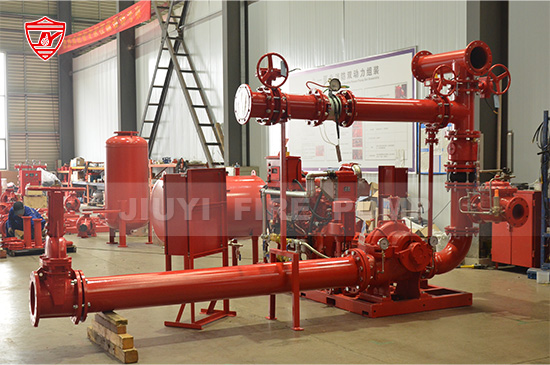
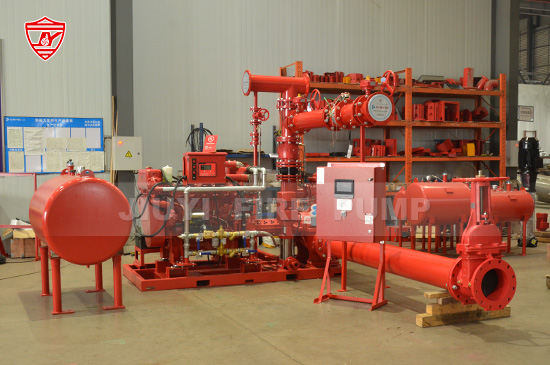
A fire pump is a critical component of a building’s fire protection system. It is designed to boost the water pressure of the municipal water supply or any other water source to the levels required by a building’s fire protection system. Fire pumps are typically powered by electricity, diesel engines, or steam turbines and are activated when the water supply pressure falls below a certain threshold. These pumps ensure that a consistent and sufficient supply of water is available to sprinklers, standpipes, hydrants, and other essential systems during a fire.
Role of Fire Pumps in Fire Protection Systems
Fire protection systems are comprised of several components that work together to prevent, detect, and extinguish fires. Fire pumps play a crucial role in these systems, particularly in buildings where the municipal water supply may not have enough pressure to operate the sprinkler systems or where the building is located in areas with a limited water supply. Here’s a closer look at the various ways fire pumps contribute to building safety:
- Maintaining Required Water Pressure
Fire pumps ensure that water is delivered to the sprinkler system at the required pressure to effectively suppress a fire. Without a fire pump, a building’s water supply may not provide enough pressure to activate sprinklers, which can lead to the rapid spread of fire.
- Enhancing Water Flow to Sprinklers and Standpipes
In high-rise buildings or large facilities, fire pumps are necessary to deliver water at high elevations. Sprinkler systems and standpipes on upper floors rely on fire pumps to supply adequate water flow, ensuring they work efficiently during a fire emergency.
- Fire Hose and Hydrant Operation
Fire hydrants around a building also require adequate pressure to be effective in fighting fires. Fire pumps ensure that the hydrants are properly pressurized and that firefighters have immediate access to high-pressure water supplies when they arrive on the scene.
- Backup Water Supply for Emergencies
In some buildings, fire pumps are connected to a dedicated water source, such as a reservoir or tank, in case the public water supply becomes unavailable during a disaster. This provides an independent, reliable water source when municipal water systems are compromised.
The Importance of Fire Pumps in Compliance with Fire Safety Standards
Compliance with fire safety regulations is essential for any building, whether residential, commercial, or industrial. Fire pumps are an integral part of fire safety systems that must adhere to various building codes and standards. Some of the key standards and regulations that fire pumps must comply with include:
- NFPA 20: The National Fire Protection Association (NFPA) provides guidelines for the installation of fire pumps in its NFPA 20 standard. This standard ensures that fire pumps are designed and installed to meet the required performance criteria.
- UL Certification: Fire pumps, particularly those powered by electric or diesel engines, must meet Underwriters Laboratories (UL) standards. UL certification ensures that the pump has undergone rigorous testing and is capable of performing reliably in a fire emergency.
- Local Building Codes: In addition to national standards, local building codes often have specific requirements for fire protection systems, including the use of fire pumps in certain buildings or areas. These codes must be followed to ensure the safety of the building and its occupants.
By adhering to these regulations, property owners and managers can ensure that their fire pumps will perform effectively during a fire emergency, helping to reduce property damage and protect lives.
Key Benefits of Fire Pumps in Building Safety
Fire pumps offer a range of benefits that are crucial for ensuring the safety of a building’s occupants. Some of the most significant advantages include:
- Reliable Fire Suppression
Fire pumps provide a continuous and reliable source of water to fight fires, even in buildings with limited water pressure or high-rise structures. This makes them essential in minimizing the spread of fire and protecting property and lives.
- Reduced Fire Damage
The quick and efficient operation of fire pumps can help limit the extent of fire damage by suppressing the fire in its early stages. By boosting water pressure, fire pumps allow sprinklers and fire hoses to operate at their optimal levels, containing the fire before it can escalate.
- Life Safety
Fire pumps play a vital role in ensuring that fire sprinkler systems and standpipes work as intended. This can save lives by providing occupants with time to evacuate or by containing the fire long enough for first responders to arrive.
- Minimized Property Loss
Effective fire suppression minimizes property damage. By controlling and extinguishing fires quickly, fire pumps help reduce the financial impact of a fire on the building and its contents.
- Peace of Mind
Knowing that a reliable fire pump is in place provides peace of mind for building owners, managers, and occupants. It ensures that there is a robust system in place for responding to fire emergencies, reducing the overall risk to life and property.
Choosing the Right Fire Pump for Your Building
Selecting the correct fire pump for your building is critical to ensuring the system operates effectively. Several factors should be taken into consideration when choosing a fire pump:
- Water Supply and Pressure Requirements
The first step is to determine the building’s water supply and pressure requirements. If the municipal water system cannot provide the necessary pressure, a fire pump is needed to boost it. The size and type of fire pump will depend on the building's height, layout, and fire safety needs.
- Type of Fire Pump
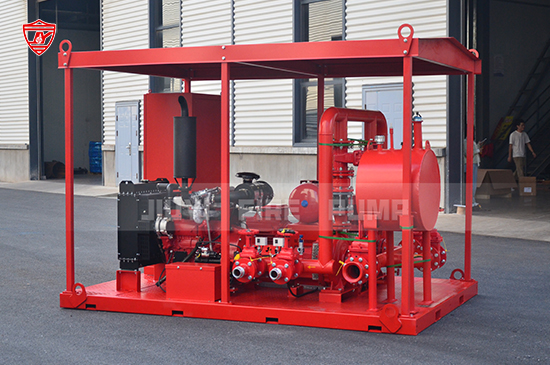
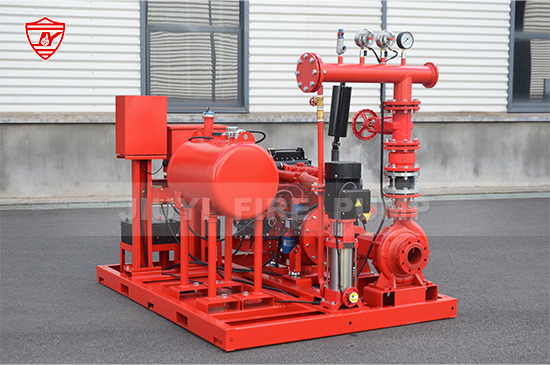
Fire pumps come in various types, including electric, diesel engine, and steam turbine pumps. The choice of pump depends on the building’s power source and operational needs. Electric fire pumps are common for smaller buildings, while diesel engine pumps are preferred for larger facilities or areas with unreliable power supplies.
- Flow and Pressure Capacity
Fire pumps are rated based on their flow and pressure capacity. The flow rate is measured in gallons per minute (GPM), while the pressure is measured in pounds per square inch (PSI). The fire pump chosen must meet the specific flow and pressure requirements of the building’s fire protection system.
- Reliability and Durability
Fire pumps must be durable and reliable. Since they are crucial in an emergency situation, choosing a pump from a reputable manufacturer that meets industry standards is essential for ensuring optimal performance and longevity.
- Maintenance and Testing
Regular maintenance and testing of fire pumps are essential to ensure they function correctly during an emergency. Establishing a maintenance schedule and working with certified professionals to perform regular inspections and testing is necessary for keeping the fire pump in peak condition.
Conclusion
Fire pumps are essential to building safety. They provide the necessary water pressure to power fire sprinkler systems, standpipes, and hydrants, ensuring that buildings are equipped to handle fire emergencies effectively. Whether it’s for high-rise buildings, industrial facilities, or residential complexes, fire pumps offer a reliable means of fire suppression and protection. By adhering to fire safety standards and selecting the right fire pump, building owners can ensure the safety of their properties and occupants in the event of a fire.

.jpg)