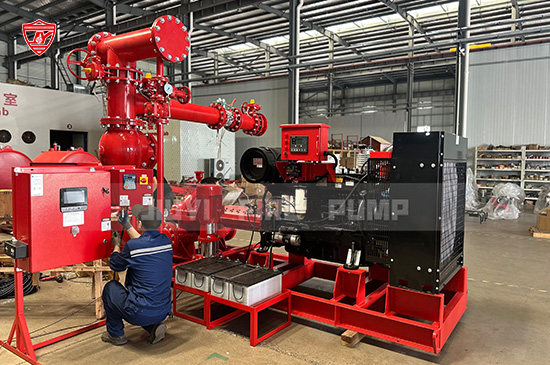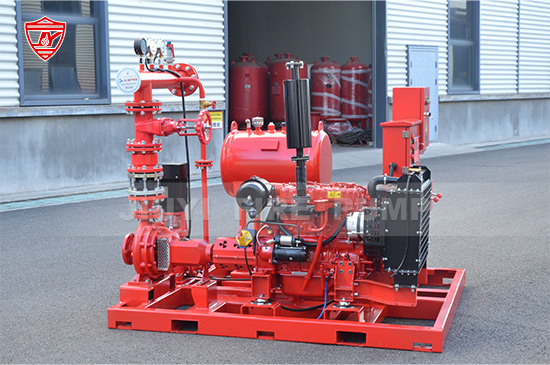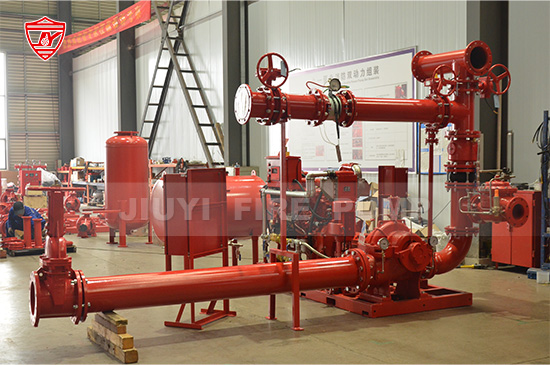
Fire pumps are a critical component in fire protection systems, ensuring that buildings and facilities are equipped with the water supply necessary to fight fires. However, simply installing a fire pump is not enough to ensure reliable operation when it's needed most. Regular testing of your fire pump is essential to maintaining its functionality, ensuring the safety of occupants, and meeting regulatory compliance standards. In this article, we'll explore the importance of fire pump testing, the potential risks of neglecting it, and the best practices for ensuring your fire pump operates effectively when called upon.
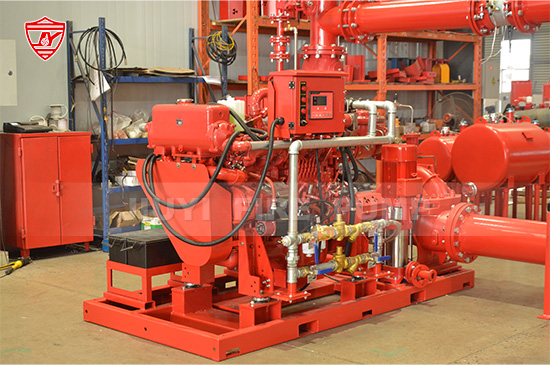
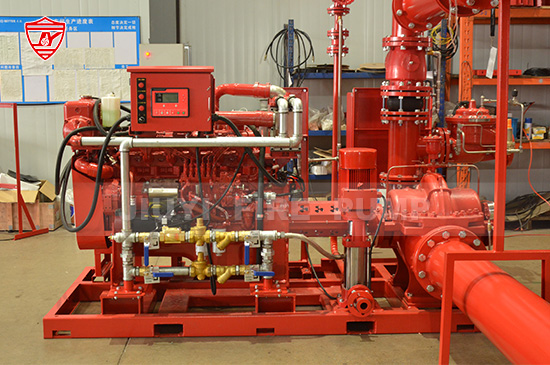
A fire pump is designed to provide a reliable water supply to sprinkler systems, standpipes, and other fire suppression systems. It draws water from a reliable source, such as a water tank or a municipal water supply, and pushes it through the piping system to the necessary locations in a building or facility. Fire pumps come in several types, including electric, diesel, and jockey pumps, each with unique benefits and considerations.
Regardless of the type, fire pumps play a vital role in fire safety. When a fire occurs, the fire pump needs to deliver water quickly and efficiently to ensure the safety of both people and property. In this context, regular testing is key to maintaining the pump’s readiness to perform in an emergency situation.
The primary reason for regularly testing your fire pump is to ensure that it will operate as expected during an emergency. Over time, components of the fire pump system may wear out, and connections may become loose. Regular tests help identify potential issues before they compromise the system’s performance. Ensuring that the pump is in optimal condition is essential to guarantee that it can deliver the necessary pressure and flow to combat fires.
Like all mechanical systems, fire pumps are subject to wear and tear. Regular testing helps uncover small issues that, if left unaddressed, could lead to major malfunctions during an emergency. For example, seals, bearings, and other components could deteriorate, causing leaks or loss of pressure. By identifying these issues early, you can address them before they cause any significant damage.
Water systems are prone to corrosion and sediment build-up over time. If the fire pump’s water source is contaminated, debris and sediment can accumulate in the pump and its components. This can reduce the pump’s efficiency or even damage the system. Regular testing, along with periodic maintenance, ensures that the system is flushed and kept free of debris that could impede its function.
Fire protection systems, including fire pumps, must meet specific codes and regulations set by local, state, and national authorities. Regular testing helps ensure compliance with standards such as NFPA 20 (Standard for the Installation of Stationary Pumps for Fire Protection) and UL certifications. Many regions require documented proof of regular testing to maintain fire protection system compliance. Non-compliance may result in penalties, fines, or even the invalidation of insurance policies.
The ultimate goal of a fire pump is to save lives and minimize property damage in the event of a fire. Regular testing ensures that the system remains reliable when it’s needed most. A failure during an emergency can have catastrophic consequences, but routine testing and maintenance minimize the risk of this happening. By keeping your fire pump system in top condition, you can ensure that your facility remains as safe as possible for occupants and employees.
Routine testing can save money in the long run. By addressing minor issues early, you can avoid costly emergency repairs or replacements. Unreliable fire pumps often require more significant repairs or even full replacements, both of which can be expensive. Preventive testing reduces the likelihood of such expensive breakdowns, keeping costs manageable and your system operational.
Regular testing should be carried out according to a pre-established schedule and documented thoroughly. Documentation provides a record of testing frequency and any corrective measures taken. In the event of an insurance claim or regulatory audit, having this documentation readily available can be invaluable.
The frequency of fire pump testing depends on several factors, including local regulations, the type of fire pump, and manufacturer recommendations. In general, most fire pump systems require testing on a monthly, quarterly, or annual basis. Below are some guidelines based on common practices:
Additionally, the system should undergo a comprehensive inspection and testing once a year to ensure all components are functioning optimally. During this inspection, components such as pressure switches, controllers, and alarm systems are checked and recalibrated if necessary.
Neglecting fire pump testing can lead to a range of problems, some of which can be catastrophic in the event of a fire. Common issues resulting from lack of testing include:
Regular testing of your fire pump is not just a requirement—it’s a necessity for maintaining the safety of your building, employees, and assets. Fire pumps are critical for effective fire suppression, and neglecting their maintenance can have serious consequences. By ensuring that your system is tested regularly, you can address potential issues before they become significant problems, maintain compliance with regulations, and ensure that your fire pump will function correctly when it’s needed most. Remember, it’s always better to be proactive than reactive when it comes to fire safety.