Fire pump systems play an essential role in ensuring fire protection for buildings, industrial facilities, and critical infrastructure. These systems are designed to supply water at high pressure to firefighting equipment, helping to control and extinguish fires. However, like any mechanical system, fire pumps can experience failures, particularly in critical situations when they are needed most.
To avoid disastrous consequences, it’s crucial to understand how to maintain fire pump systems, identify common failure points, and take steps to prevent issues before they arise. In this article, we’ll explore best practices for preventing fire pump system failures during critical situations, offering valuable insights that can ensure optimal performance when every second counts.
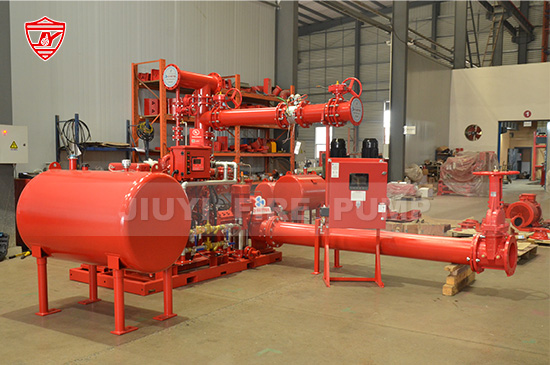
1. Understand the Critical Components of Fire Pump Systems
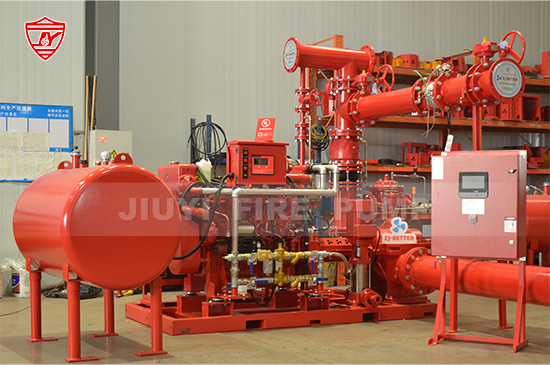
Fire pump systems consist of several vital components, including the pump, motor, controller, and associated piping. Understanding how these components work together is essential for identifying potential failure points and addressing them before they become serious problems.
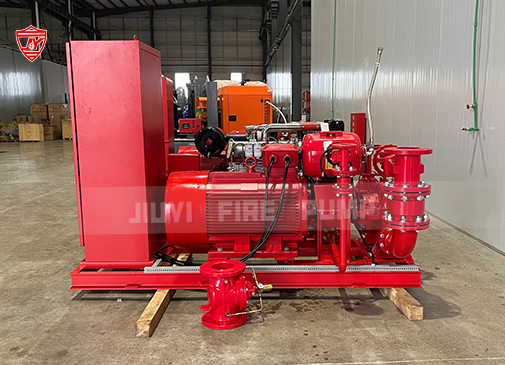
- Pump: The core of the system, responsible for generating water pressure. It’s essential to choose a reliable pump type (e.g., diesel, electric, or vertical turbine) suited to the specific needs of your building or facility.
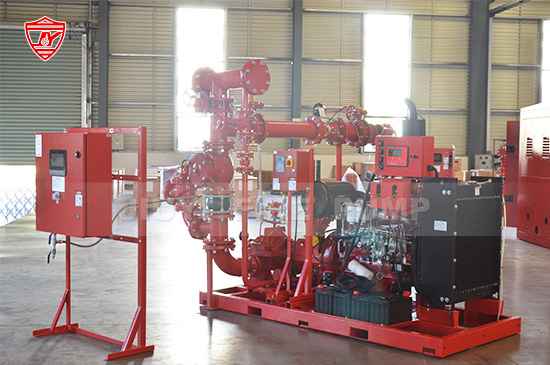
- Motor: Powers the pump, either through an electric motor or a diesel engine. Diesel engines are commonly used for backup in case of power failure.
- Controller: Manages the operation of the fire pump system, including starting and stopping the pump based on pressure levels and system needs.
- Piping and Valves: The network of pipes and valves directs the water from the pump to the firefighting equipment. Corroded pipes, blocked valves, or inadequate pipe sizes can result in system failure.
By ensuring that each component is well-maintained and functioning correctly, you can reduce the risk of fire pump system failure during critical situations.
2. Perform Regular Maintenance and Testing
Regular maintenance is key to ensuring the reliability of fire pump systems. Failure to perform routine checks and tests could lead to catastrophic consequences in the event of a fire.
- Test the System Frequently: Fire pump systems should undergo weekly or monthly tests to ensure that they are operating at peak efficiency. These tests should simulate the conditions that the pump will face in an emergency.
- Check for Wear and Tear: Over time, parts of the fire pump system, such as seals, bearings, and valves, can wear out. Inspections should include checking for leaks, unusual noise, or vibrations, all of which can indicate potential issues.
- Evaluate Pressure Levels: The pump must generate adequate pressure to meet the needs of firefighting equipment. Testing the system at various flow rates can help detect pressure-related issues.
- Maintain Backup Power: For pumps powered by diesel engines, ensure that fuel tanks are full, and the engine is operational. For electric-powered systems, verify that backup generators are functioning properly.
Regular maintenance, including thorough inspections and functionality tests, can ensure that your fire pump system is ready for action when needed most.
3. Choose the Right Fire Pump Type
Selecting the appropriate fire pump for your facility is essential for minimizing the risk of failure. Various factors, such as building size, location, and water requirements, influence the type of pump needed. Some common types of fire pumps include:
- Electric Fire Pumps: These are typically used in areas with a reliable power supply. However, if the power goes out during an emergency, an electric pump will be ineffective without a backup generator.
- Diesel Fire Pumps: Diesel-powered pumps are often used for backup when electric pumps fail. These pumps provide the necessary pressure even during power outages, making them ideal for areas with unreliable electricity.
- Horizontal Split-Case Pumps: These pumps are known for their reliability and efficiency in handling high-pressure water supplies. They are commonly used in large facilities.
- Vertical Turbine Pumps: Ideal for locations with deep water sources, such as wells or large underground tanks, these pumps are highly efficient and reliable.
Choosing the right pump ensures that your fire protection system can handle various emergency scenarios, reducing the likelihood of system failure during critical times.
4. Properly Size the Fire Pump
Ensuring that your fire pump is appropriately sized is a critical factor in preventing failures. A pump that is too small won’t generate enough pressure, while an oversized pump can be inefficient and lead to higher operating costs.
- Flow Rate and Pressure Requirements: Work with a fire protection engineer to determine the required flow rate and pressure based on your facility’s size and firefighting needs.
- Water Supply: Consider the water supply’s capacity. The pump needs to be able to provide sufficient water pressure to the sprinkler system and hose stations, even during peak demand.
- System Design: Proper system design ensures that all components work together efficiently. This includes selecting the correct pump type, motor, controller, and associated pipes and valves.
Having the right size pump and system design helps avoid undue stress on the components and ensures long-term reliability.
5. Monitor and Maintain the Fire Pump Controller
The controller is the brain of the fire pump system, managing the starting and stopping sequences of the pump. Failures in the controller can prevent the system from operating properly when a fire occurs.
- Regular Software Updates: If the controller is digitally managed, ensure that it receives regular software updates to maintain compatibility with the latest features and improve reliability.
- Test Alarms and Sensors: Fire pump controllers are equipped with sensors and alarms that alert operators to potential failures. Regularly test these features to ensure that they are functioning correctly.
- Backup Systems: Ensure that backup controllers are available in case of malfunction. This will allow for quick system restoration if necessary.
A well-maintained controller system guarantees that the fire pump will start promptly when required, preventing delays during emergencies.
6. Inspect Piping and Valves
The piping system that directs water from the pump to the firefighting equipment is critical for system performance. Clogged, corroded, or improperly installed pipes and valves can cause significant issues.
- Check for Blockages: Regularly inspect pipes and valves for any obstructions that could hinder the flow of water. Ensure that there are no debris or buildup that can cause blockages.
- Ensure Proper Valves: Verify that valves are installed and operating correctly to control the water flow. Misinstalled or faulty valves can cause pressure loss and poor system performance.
- Corrosion Control: Over time, pipes can corrode, especially in environments with high moisture or chemicals. Consider using corrosion-resistant materials and coatings to extend the lifespan of your system.
By maintaining a clean and well-constructed piping system, you help ensure that the fire pump delivers water where and when it’s needed most.
7. Prepare for Emergency Situations
Even with the best equipment and maintenance routines, unexpected failures can still occur during a fire emergency. Preparing for these situations can reduce the risk of extended downtime.
- Train Staff Regularly: Ensure that staff members are well-trained in fire pump system operation, including how to manually start the pump if the controller fails. Familiarity with system components and troubleshooting steps will allow for faster response in critical situations.
- Develop Contingency Plans: Establish emergency procedures for system failure, including backup water sources, secondary pumps, and manual operation protocols. Regularly test these plans to ensure that everyone knows what to do in case of a system failure.
- Keep Spare Parts On-Site: Keep essential spare parts such as seals, bearings, and valves on hand for quick repairs. Having replacement components available can minimize downtime during an emergency.
Preparation is key to responding effectively when the fire pump system fails, and knowing how to operate backup equipment can ensure that firefighting efforts continue uninterrupted.
Conclusion
Preventing fire pump system failures during critical situations is essential for ensuring the safety of lives and property. By understanding the key components of fire pump systems, performing regular maintenance, choosing the right pump type, properly sizing the system, and being prepared for emergencies, you can significantly reduce the risk of failure during a fire emergency.
Investing in regular inspections, quality equipment, and staff training will ensure that your fire pump system is always ready to perform when needed most. Remember that fire pump systems should not be overlooked until the emergency occurs—consistent care and proactive measures will make all the difference in preventing failures and ensuring reliable fire protection.

.jpg)