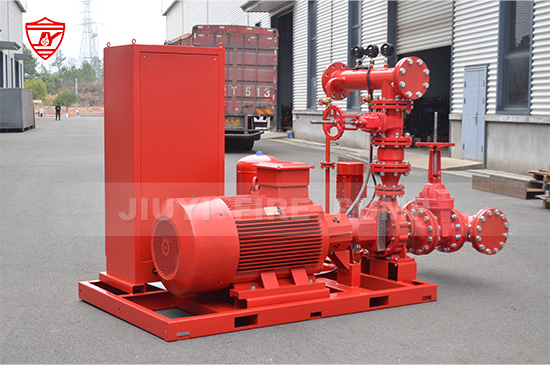
Fire pumps play a critical role in safeguarding properties and lives in the event of a fire. However, their performance can be severely affected by extreme weather conditions, such as intense heat, freezing cold, and heavy rainfall. As a manufacturer of fire pumps, ensuring the reliability of your systems in all environmental conditions is paramount. Whether you're dealing with hot summers or freezing winters, fire pump maintenance is crucial to maintaining peak performance when it's needed most.
In this article, we will explore the best practices for maintaining fire pumps in extreme weather conditions, with a focus on both hot and cold climates. From proper storage techniques to seasonal checks, these tips will help ensure that your fire pump operates smoothly and is ready for action.
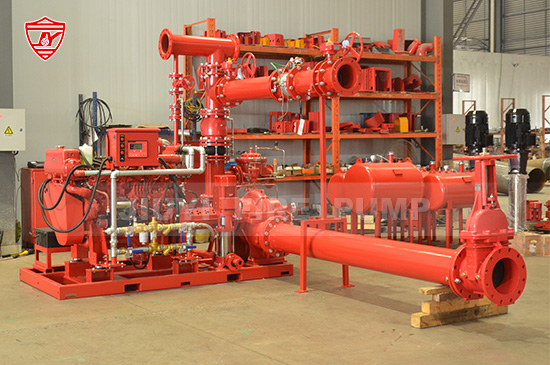
Extreme weather events, such as heatwaves, freezing temperatures, and storms, can have significant effects on the integrity and performance of fire pump systems. These systems are typically installed outdoors, exposed to the elements, and are vulnerable to corrosion, wear, and performance degradation if not adequately maintained.
By following a regular maintenance schedule and taking proactive steps to protect fire pumps from extreme weather, businesses and property owners can reduce the risk of pump failure during an emergency. Preventative maintenance measures can extend the lifespan of the equipment and reduce downtime, saving money in the long run.
When temperatures soar, fire pumps, especially those powered by diesel engines or electric motors, can face challenges due to overheating, insufficient lubrication, and wear on moving parts. Proper maintenance during hot weather is essential to prevent the risk of failure when it's needed most. Here are the key maintenance practices to keep in mind:
Heat can cause fluids in the fire pump system, including coolant and engine oil, to degrade faster. This can lead to overheating and increased friction in the system, ultimately causing pump failure. Make it a priority to regularly check fluid levels and quality, especially coolant and engine oil. If necessary, top up or replace fluids to ensure optimal performance.
A hot environment can cause dust, debris, and pollutants to accumulate in the air intake system, which could clog filters and reduce air circulation to the pump engine. Clean or replace air filters regularly to prevent overheating and ensure the engine receives proper ventilation. If possible, install protective covers or screens around intake vents to minimize debris entry.
Cooling systems, especially for diesel engine-powered pumps, must be checked regularly to ensure they function properly in extreme heat. Radiators, fans, and heat exchangers should be inspected for signs of damage or blockages. Overheating is a major risk in high temperatures, so ensure that the cooling system is fully operational before hot weather sets in.
High temperatures increase the likelihood of lubrication breakdown, which can lead to increased friction, wear, and system failure. Make sure that all moving parts, including bearings, shafts, and pistons, are properly lubricated with high-quality oil or grease. Regular lubrication will reduce friction and ensure smooth operation during high-stress periods.
Heat can cause electrical components to expand, increasing the risk of short circuits or damaged wiring. Regularly inspect the wiring and electrical connections of your fire pump to detect any wear, fraying, or overheating. Replace damaged components immediately to avoid system failure during an emergency.
Cold weather presents a different set of challenges for fire pumps, particularly diesel engine pumps. Freezing temperatures can cause water to freeze within the pump system, potentially causing pipes to crack, seals to break, and fuel to gel. To keep your fire pump operational in freezing conditions, consider these maintenance practices:
In cold climates, it's essential to replace water in the pump system with antifreeze or anti-corrosion fluid. This will prevent freezing, reduce the risk of corrosion, and keep the pump running efficiently during extreme cold. Make sure to check the antifreeze levels regularly to ensure adequate protection against freezing temperatures.
Insulation is an effective way to protect fire pumps and their components from the harmful effects of freezing temperatures. Install thermal insulation around critical parts of the pump, such as the pump housing, pipes, and valves, to retain heat and prevent freezing. Insulating materials can be added to the pump house to keep the temperature above freezing.
Cold temperatures can cause fuel to gel, which can prevent the engine from starting. To avoid this, it’s important to switch to winter-grade diesel, which is designed to flow better in low temperatures. Additionally, before the start of the cold season, run the pump for short periods to ensure that it starts smoothly and operates without issue.
Diesel engine fire pumps require particular attention in winter, as the fuel can thicken and become more viscous when temperatures drop. This can cause clogging of fuel lines and difficulty starting the engine. To prevent this, use fuel additives or switch to a winter-grade diesel that is less likely to freeze. Regularly check the fuel lines for leaks or cracks, which can worsen in cold weather.
Snow and ice accumulation can damage the fire pump’s external components and even block access to the system in an emergency. Make sure that snow and ice are regularly cleared from around the pump system, including vents and intake areas. This will ensure that air can flow freely to the engine, and that emergency personnel can easily access the pump in case of a fire.
Regardless of the weather, regular and thorough inspections are key to ensuring that your fire pump functions as expected during an emergency. Below are some general maintenance guidelines that should be followed year-round:
Conduct routine inspections of the entire fire pump system, including the engine, electrical components, valves, pipes, and seals. Schedule monthly and quarterly tests to check for system performance, and document the results to track any potential issues that could arise.
Proper storage and housing are essential for protecting fire pumps from extreme weather. Store the pumps in a clean, dry, and temperature-controlled environment whenever possible. If the pump is stored outdoors, ensure that it is protected by a weatherproof cover or housing to prevent environmental damage.
Maintain a detailed log of all maintenance activities, including fluid changes, inspections, repairs, and any parts replacements. This documentation will serve as a valuable record to help with future maintenance and ensure that the fire pump is properly serviced according to industry standards.
Ensure that personnel responsible for operating the fire pump are trained to handle it under extreme weather conditions. This includes understanding how to properly prepare the pump for winter or summer operations, how to perform emergency shutdowns, and how to troubleshoot common issues.
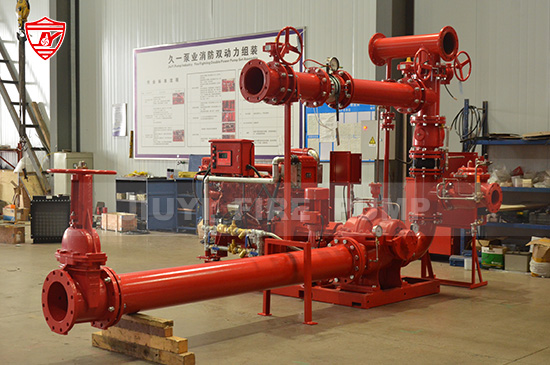
Maintaining fire pumps in extreme weather conditions is crucial for ensuring that they perform optimally when needed most. By following a comprehensive maintenance schedule tailored to hot or cold climates, you can reduce the risk of failure and keep your fire pumps in excellent working condition. Routine inspections, proper lubrication, seasonal adjustments, and preventive measures will all contribute to a fire pump system that’s reliable, durable, and ready for emergency action.
.jpg)