Fire pumps are critical to ensuring the safety of buildings and facilities, particularly in high-risk environments where the consequences of failure can be catastrophic. High-risk areas, such as industrial plants, refineries, and hospitals, rely on fire pumps to safeguard against the devastation of fire. If a fire pump fails, the results could be severe, ranging from equipment damage to the loss of lives. It’s vital for organizations operating in these environments to implement strategies to prevent fire pump failure.
In this article, we will explore the essential steps to avoid fire pump failures in high-risk environments. These steps include regular maintenance, testing, upgrades, and awareness of common risks that could jeopardize the integrity of your fire pump system.
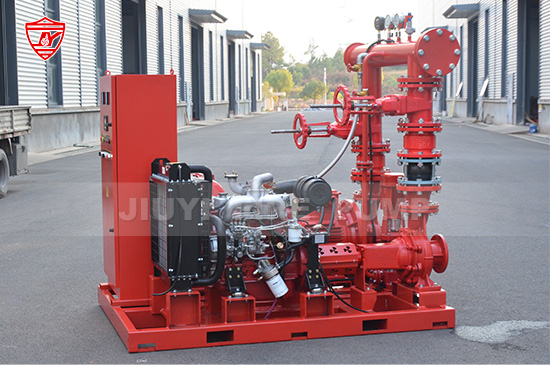
1. Understanding the Role of Fire Pumps in High-Risk Environments
Before diving into how to avoid fire pump failures, it's important to understand the function of fire pumps in high-risk environments. Fire pumps are designed to supply water at adequate pressure and flow to fire suppression systems, such as sprinklers, standpipes, and hose systems. They are essential for maintaining the pressure needed to fight fires effectively and prevent further damage.
In industries such as manufacturing, chemical processing, and oil & gas, fire pumps face unique challenges due to environmental factors. High temperatures, vibrations, corrosive chemicals, and dust can increase the likelihood of failure. Therefore, these systems require special care to ensure they remain functional during emergencies.
2. Perform Regular Fire Pump Inspections and Maintenance
One of the most effective ways to avoid fire pump failures is by ensuring regular inspections and maintenance. A fire pump failure often results from neglect or deferred maintenance. Setting a scheduled maintenance routine is crucial to identify and fix potential issues before they escalate.
Key maintenance tasks include:
- Routine Visual Inspections: Check for any signs of wear and tear, corrosion, or damage to the pump, piping, and valves. Regularly inspect the pump house or room for debris and ensure that it remains free from obstructions.
- Lubrication of Moving Parts: Ensure all moving components, including bearings and seals, are adequately lubricated to prevent wear or malfunction.
- Testing the Pressure Relief Valve: The pressure relief valve is responsible for preventing over-pressurization of the pump. Regularly test the valve to make sure it’s working correctly.
- Checking Pump Suction and Discharge Valves: Ensure the suction and discharge valves are operational and fully opened to prevent blockages.
- Clearing of Debris: High-risk environments, especially those exposed to dust or airborne particles, can clog fire pump filters. Make sure filters are cleaned or replaced regularly.
3. Implement Comprehensive Testing Procedures
Regular testing is an essential part of fire pump maintenance and one of the best ways to prevent pump failure. Testing fire pumps simulates real-world conditions and ensures that the system operates at peak performance when needed.
- Flow Test: A flow test helps assess whether the pump is supplying the required water flow and pressure to the system. The test should be conducted according to fire code regulations, typically annually.
- Annual Full-Load Test: In high-risk environments, annual full-load testing should be conducted to ensure the fire pump operates under its maximum capacity. This will help detect any potential issues that may arise under extreme conditions.
- Performance Monitoring: Install performance monitoring systems to continuously check the pump’s operating parameters, such as flow, pressure, and fuel levels. These systems can provide real-time alerts about any discrepancies.
- Simulated Fire Test: Perform fire simulations to ensure that the pump can maintain optimal performance throughout a fire emergency.
4. Upgrade Fire Pump Systems as Necessary
As technology evolves, so do fire protection systems. Older fire pump models may lack the advanced features and reliability of newer models. In high-risk environments, an outdated fire pump system may not be capable of meeting the increasing demands of modern fire protection.
Upgrading fire pump systems can reduce the likelihood of failures and improve overall performance. Some essential upgrades include:
- Installing Variable Frequency Drives (VFDs): VFDs help optimize the energy efficiency of the pump and reduce stress on the motor by adjusting the speed to meet changing demands.
- Adding Monitoring Systems: Upgraded fire pumps can be equipped with advanced monitoring systems to provide real-time data on pump performance and send alerts if the system is underperforming or faces a potential failure.
- Replacing Old Components: Replace outdated components such as motors, controllers, and pressure relief valves with modern alternatives that meet the latest fire safety standards.
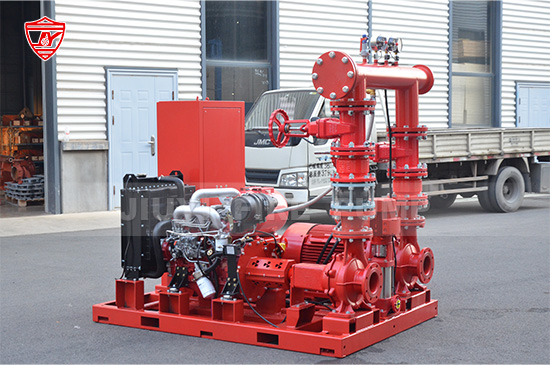
- Switching to Diesel-Powered Pumps: For high-risk environments, diesel engine fire pumps may provide enhanced reliability during power outages or electrical failures.
5. Train Employees on Fire Pump Operations
Human error is another significant cause of fire pump failures. To minimize the risk of failure, employees must be thoroughly trained on fire pump operation and maintenance. This includes familiarizing staff with the following:
- Fire Pump Operation: Train personnel on how to operate fire pumps during an emergency, including how to start the pump, adjust settings, and monitor performance.
- Emergency Procedures: Ensure employees are well-versed in emergency procedures and can activate the fire pump system without hesitation.
- Maintenance Procedures: Proper training on routine maintenance, such as checking pump seals, valves, and lubrication, can ensure that pumps remain operational.
- Emergency Contacts: Employees should know how to reach emergency services or technical support for immediate troubleshooting if a pump failure occurs.
6. Monitor Environmental Conditions
Environmental factors play a significant role in the longevity and performance of fire pump systems. High-risk environments are often subject to harsh conditions, including extreme temperatures, dust, or exposure to hazardous chemicals. Regular monitoring of environmental conditions can help identify potential risks to your fire pump system.
- Temperature Monitoring: Extreme heat can cause the pump motor to overheat, while low temperatures may affect the fluid in the system. Temperature sensors can be installed to continuously monitor the pump's operating conditions and prevent extreme weather from affecting the system.
- Dust and Debris Control: High-risk environments may produce excessive dust or debris, which can clog filters and obstruct airflow. Installing filtration systems and conducting regular cleaning can minimize these risks.
- Corrosion Prevention: If the fire pump system is exposed to chemicals or corrosive substances, implementing a corrosion-resistant coating or using stainless steel components can protect the system from degradation.
7. Prepare for Power Failures
In high-risk environments, power outages can be a major concern, especially if the fire pump relies on an electrical motor. A power failure during a fire emergency can have disastrous consequences. Therefore, it’s crucial to implement backup power solutions.
- Install Backup Generators: Diesel generators can be used as a backup power source to ensure fire pumps operate during power outages. Regularly test backup power systems to ensure they function when needed.
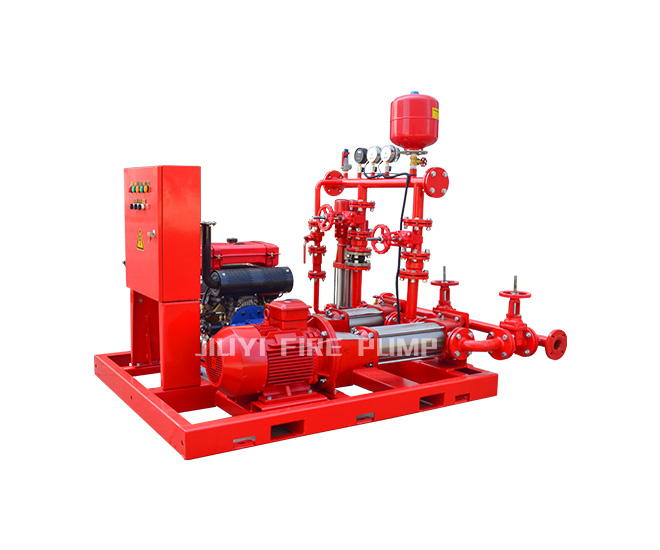
- Hybrid Power Systems: Consider hybrid fire pump systems that combine electric and diesel power for enhanced reliability. These systems can automatically switch between power sources based on availability.
8. Establish a Contingency Plan
Despite all preventive measures, unforeseen failures can still occur. Having a contingency plan in place can reduce the impact of a fire pump failure and ensure a rapid response.
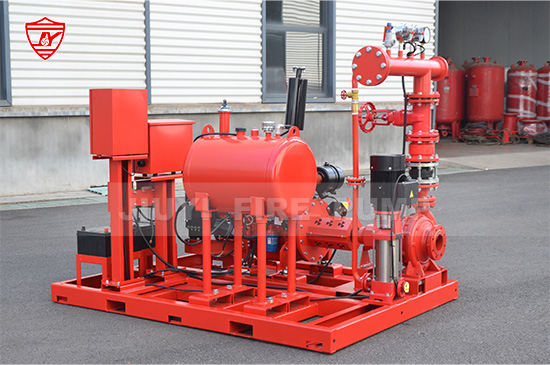
- Backup Pump Systems: Install backup fire pump systems that can be activated in the event of a failure.
- Emergency Response Team: Designate and train a team of employees responsible for troubleshooting and addressing fire pump failures.
- Maintenance Documentation: Keep a detailed record of all maintenance, upgrades, and inspections. This documentation can help identify patterns or recurring issues that need to be addressed.
Conclusion
Fire pump failures can have dire consequences, particularly in high-risk environments where the stakes are much higher. By adopting proactive measures, such as regular maintenance, testing, upgrading systems, and training staff, you can significantly reduce the risk of failure and ensure your fire protection systems remain reliable during emergencies. The key is vigilance, timely upgrades, and a well-informed team that is prepared to respond effectively in any situation.

.jpg)