In the oil and gas industry, safety is paramount. Fires are one of the most significant hazards that threaten workers, equipment, and facilities. Fire pumps are essential components of the fire protection systems that ensure fire safety in these high-risk environments. Without fire pumps, the ability to respond to and extinguish a fire quickly could be severely compromised, leading to catastrophic consequences. In this article, we will explore the critical role of fire pumps in the oil and gas industry, why they are necessary, and how they safeguard assets, employees, and the environment.
1. Understanding Fire Pumps and Their Role
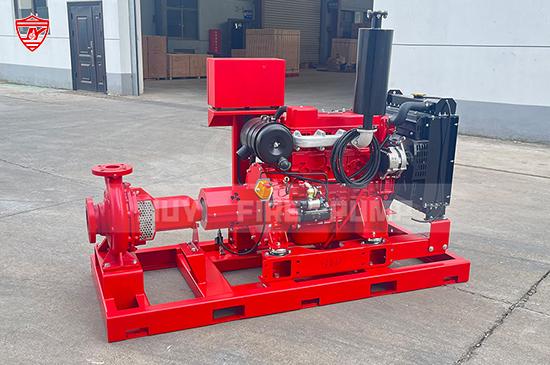
A fire pump is a piece of equipment designed to provide water or another fire-suppressing agent to extinguish fires in emergencies. These pumps are integral parts of fire protection systems found in many industries, including oil and gas.
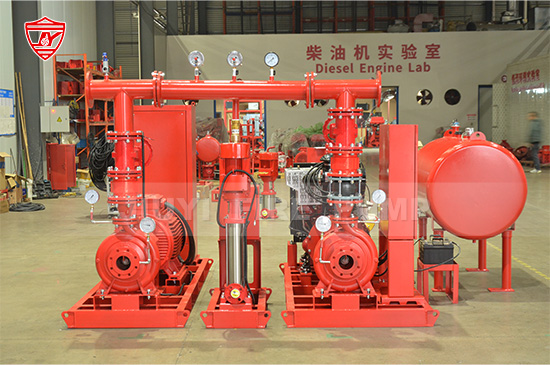
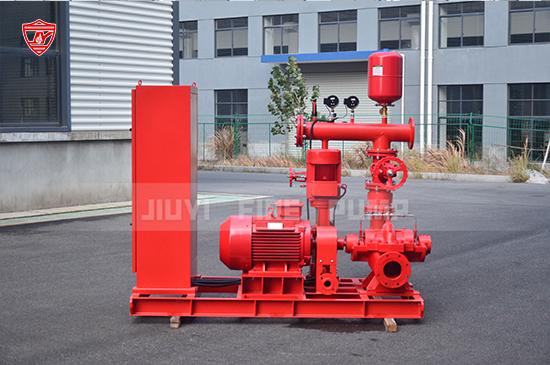
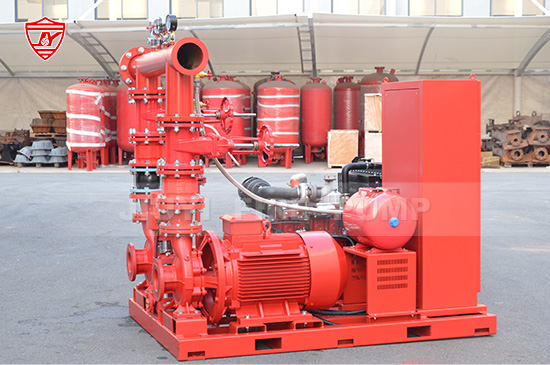
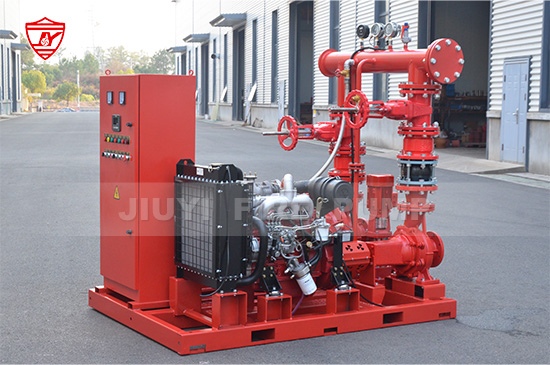
Fire pumps are typically powered by diesel engines, electric motors, or even turbines. They are connected to water sources such as firewater tanks or reservoirs, and they are capable of supplying a large volume of water at high pressure to hose lines, sprinkler systems, or deluge systems.
In the oil and gas industry, fire pumps are specifically designed to operate under extreme conditions and in hazardous environments. The pumps must be robust, reliable, and capable of dealing with the challenges posed by fires in places such as offshore oil rigs, refineries, and oil pipelines.
2. The Hazards in the Oil and Gas Industry
The oil and gas industry is inherently dangerous due to the flammable and explosive nature of the materials involved. Fires can occur at any stage of the operation, from extraction and processing to storage and transport. Some of the most common fire hazards include:
- Oil Spills: A spill can lead to the ignition of oil or gas, especially in offshore and refinery operations where large volumes of flammable liquids are handled.
- Gas Leaks: Natural gas leaks, when combined with air, can create highly explosive environments that can ignite with the slightest spark.
- Equipment Failures: Malfunctions in equipment, such as overheating or sparks from machinery, can also lead to fires.
- Human Error: Mistakes or lapses in safety protocols can lead to accidents and, in turn, fire outbreaks.
With these dangers in mind, fire pumps become a critical safety component. In emergency situations, fire pumps provide the rapid and reliable water flow necessary to contain or extinguish a fire, minimizing damage and protecting human life.
3. Why Fire Pumps Are Vital in the Oil and Gas Sector
Fire pumps are not just supplementary systems but are a core part of safety and emergency response strategies in the oil and gas industry. Their importance can be outlined in the following points:
- Fast Response Times: Fires in oil and gas facilities can spread rapidly. Fire pumps are designed to provide an instant supply of water or other firefighting agents, significantly improving response time compared to manual firefighting methods. In many cases, fire pumps are automated, ensuring that they start immediately when a fire is detected.
- Pressure and Flow Capabilities: Fire pumps are engineered to handle the high-pressure demands of large-scale firefighting operations. They are capable of delivering water or foam at a high volume and pressure, ensuring that even the most intense fires can be fought effectively.
- Protection of Critical Infrastructure: The oil and gas industry relies on highly expensive and vital infrastructure, such as refineries, pipelines, offshore platforms, and storage tanks. Fire pumps are essential for protecting these assets from fire damage, which could lead to long-term shutdowns, environmental contamination, and financial losses.
- Compliance with Industry Standards: The oil and gas industry is highly regulated, with strict safety requirements. Many countries and regions have fire safety regulations that mandate the use of fire pumps in high-risk environments. UL certification and NFPA20 compliance are often necessary to meet these regulatory standards, and fire pumps ensure that these criteria are met.
4. Key Features of Fire Pumps for Oil and Gas Facilities
To ensure maximum effectiveness, fire pumps used in the oil and gas sector must have specific features that address the unique demands of these environments:
- Durability: Fire pumps must be built to withstand harsh conditions, including high temperatures, corrosive chemicals, and extreme weather. Offshore platforms, in particular, require fire pumps that are resistant to saltwater corrosion and other environmental stressors.
- Redundancy and Reliability: Given the critical nature of fire pumps in preventing catastrophic accidents, many oil and gas companies deploy redundant systems to ensure there is always a backup in case of failure. This includes having multiple pumps, power sources, and water supplies.
- Self-Priming Capability: Many fire pumps, especially those used in remote locations like offshore oil rigs, are designed to be self-priming. This means that they can start pumping water without requiring external assistance, which is essential when responding to a fire in a remote area.
- Foam Compatibility: In many cases, water alone is not enough to extinguish a fire, especially for flammable liquids. Fire pumps in the oil and gas industry often need to be compatible with foam systems, which are highly effective in suppressing oil and gas fires.
5. The Benefits of Fire Pumps in Emergency Response
Fire pumps are an integral part of any fire response plan in the oil and gas industry. In addition to their ability to suppress fires, fire pumps offer several other benefits:
- Minimized Environmental Impact: Fires in the oil and gas sector can cause severe environmental damage, including oil spills, air pollution, and destruction of ecosystems. Fire pumps help contain and extinguish fires quickly, reducing the overall environmental impact.
- Protection of Human Lives: The most important reason for having fire pumps in the oil and gas industry is the protection of workers. A well-designed fire pump system ensures that personnel can evacuate safely, and that fires are dealt with promptly before they cause widespread harm.
- Cost Savings: Fire damage in oil and gas facilities can result in huge financial losses, including damage to equipment, legal fees, insurance claims, and business interruptions. By having effective fire pumps in place, companies can significantly reduce the risk of these costs.
6. Challenges in Implementing Fire Pump Systems
While fire pumps are essential, implementing and maintaining these systems in the oil and gas industry can be challenging. Some of the common obstacles include:
- Cost: High-quality fire pump systems and their installation can be expensive, especially for large-scale operations such as offshore oil rigs. However, the cost of installation and maintenance should be viewed as an investment in safety and risk mitigation.
- Maintenance and Testing: Fire pumps require regular maintenance and testing to ensure they operate correctly when needed. This can be a logistical challenge, especially in remote areas or offshore platforms.
- Training: Personnel must be adequately trained to operate fire pumps in emergency situations. This involves not only understanding how to use the pumps but also knowing how to integrate them into broader fire response strategies.
7. Conclusion: Fire Pumps as a Non-Negotiable Safety Asset
In the oil and gas industry, the importance of fire pumps cannot be overstated. These systems play a pivotal role in protecting workers, assets, and the environment from the devastating effects of fire. Given the high-risk nature of the industry, fire pumps are essential for ensuring quick response times, maintaining pressure and flow, and adhering to safety regulations.
Fire pump systems should be a critical part of any oil and gas safety plan. They are not only vital for emergency response but also for minimizing potential damage and loss in the event of a fire. Investing in high-quality, reliable fire pumps is an investment in the safety and longevity of the operation itself.