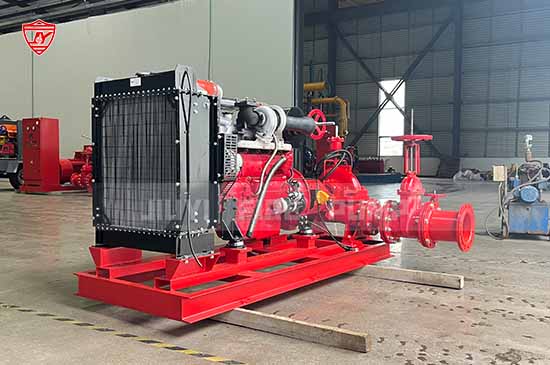
When it comes to ensuring fire safety in commercial buildings, having the right fire pump system is critical. A fire pump plays a pivotal role in providing water to sprinkler systems, hydrants, and other fire protection mechanisms, especially in large or high-rise buildings. As a building owner or facilities manager, selecting the right fire pump requires careful consideration of several factors to ensure it meets your building's needs, complies with regulations, and guarantees maximum protection.
In this article, we’ll walk you through the essential factors to consider when choosing a fire pump for your commercial building, from understanding your building’s fire protection requirements to selecting the correct type of pump.
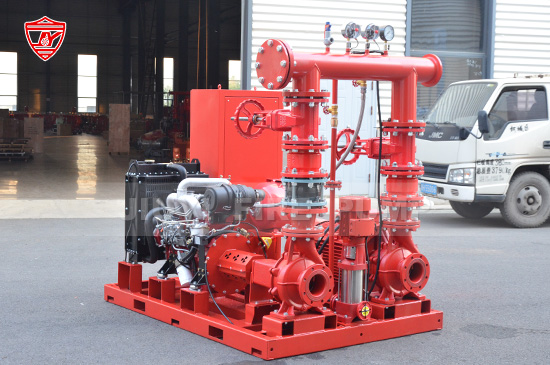
Fire pumps are integral to a building’s fire protection system. They are designed to provide the necessary water pressure and flow to operate sprinklers, hydrants, and other fire protection systems during an emergency. Typically, fire pumps are used when the municipal water supply is insufficient, or when a building’s fire protection system demands more pressure than the local water utility can provide.
There are several types of fire pumps, each suited to different building sizes, fire protection needs, and installation conditions. Here are the most common types:
One of the most crucial steps in choosing a fire pump is understanding the water demand for your building's fire protection system. The key aspects to consider are:
Both flow rate and pressure are vital components that must be calculated accurately to determine the required pump size.
In addition to meeting the needs of your building, it is essential that your fire pump complies with the National Fire Protection Association (NFPA) codes, particularly NFPA 20. This code governs the installation and maintenance of fire pumps. Additionally, you should be familiar with any local regulations or codes that may apply to fire safety in your region.
NFPA 20 includes guidelines on:
Compliance with NFPA 20 ensures that your fire pump meets safety standards and is equipped to perform effectively in an emergency.
The installation location of your fire pump is another essential factor. The ideal location for a fire pump should meet the following criteria:
Typically, fire pumps are installed in dedicated pump rooms, often located in the basement or on the ground floor, depending on the size and design of the building.
Pump sizing is one of the most important steps in selecting a fire pump. It involves determining the correct pump capacity to meet the flow and pressure requirements of your fire protection system. Sizing is influenced by:
It’s essential to work with a fire protection engineer or experienced contractor to calculate the appropriate pump size. A pump that is too small may fail to provide sufficient water pressure and flow during a fire, while an oversized pump may lead to inefficient operation and higher costs.
Once the fire pump is installed, regular testing is crucial to ensure it performs as expected. NFPA 25 outlines guidelines for testing fire pumps. Regular inspections should include:
Choosing a fire pump is a significant investment, so it’s important to consider the long-term costs. While diesel engine pumps may have higher upfront costs, they are often more reliable during power outages and require less frequent maintenance. Electric pumps, on the other hand, are more cost-effective upfront but may require additional backup power systems for reliability.
Additionally, consider the lifespan of the pump. A well-maintained fire pump can last for many years, but neglecting maintenance can shorten its life span, leading to costly repairs or replacements.
Finally, when selecting a fire pump, it’s essential to choose a reputable and experienced manufacturer. A reliable manufacturer will ensure that your pump is built to meet industry standards, and they will provide ongoing support, including warranty, maintenance, and technical assistance. Look for manufacturers who offer comprehensive fire pump systems that meet your specific building requirements, and ensure they are UL listed and NFPA 20 compliant for peace of mind.
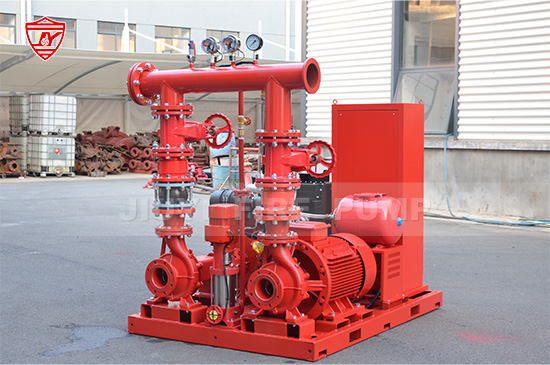
Choosing the right fire pump for your commercial building requires careful consideration of various factors, from pump type and sizing to compliance with regulations and long-term maintenance. By understanding your building’s fire protection needs, assessing the required flow and pressure, and selecting a reliable pump manufacturer, you can ensure that your fire pump system operates effectively in an emergency, providing crucial protection for your property and occupants.
If you need further assistance in selecting the right fire pump for your building, don’t hesitate to reach out to a professional fire protection engineer or a trusted fire pump manufacturer.
.jpg)