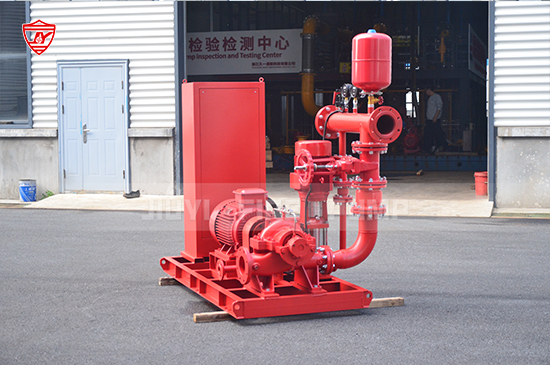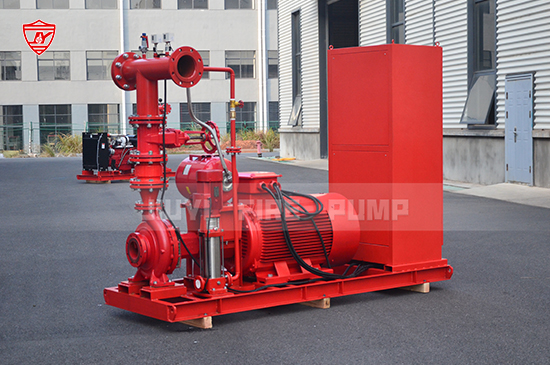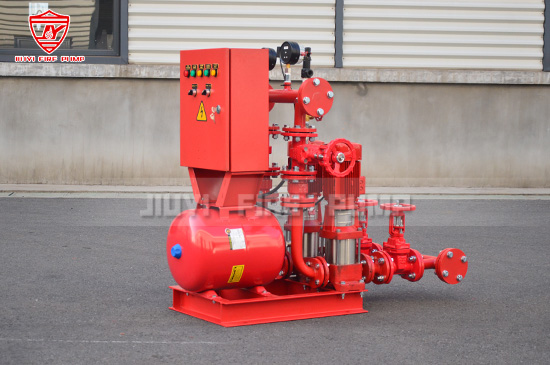
In the realm of fire protection, the efficiency of your fire pump is one of the most important factors that can directly impact the effectiveness of your fire suppression system. Fire pumps are essential components in ensuring the proper water flow needed to protect lives and property during a fire emergency. Whether you are designing, installing, or maintaining a fire protection system, prioritizing fire pump efficiency can offer numerous advantages, including reduced operational costs, enhanced performance, and improved reliability.
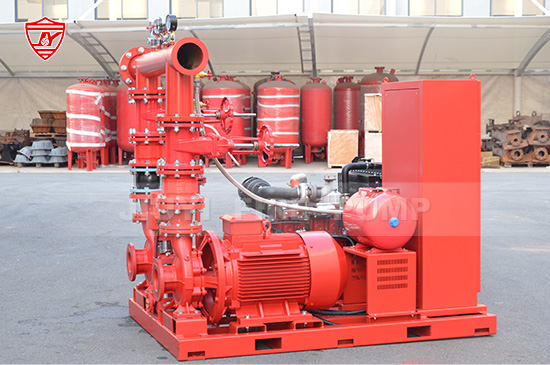
Fire pump efficiency refers to how effectively a fire pump delivers water to the designated areas during an emergency while minimizing energy consumption and operational strain. It involves optimizing various parameters such as water flow rate, pressure, energy usage, and the overall performance of the fire pump. A well-maintained, energy-efficient fire pump ensures that the system operates effectively and provides the necessary water pressure for firefighting purposes when it’s needed most.
Fire pumps are designed to supply water to fire suppression systems, such as sprinklers or standpipes, in commercial, industrial, and residential buildings. The efficiency of these pumps directly influences the success of firefighting efforts during an emergency. Here are several key reasons why fire pump efficiency should be a top priority:
Energy consumption is a significant operational cost for fire protection systems. Fire pumps that are not efficiently designed or maintained can consume more energy, leading to higher electricity bills. In many cases, fire pumps operate for prolonged periods, so ensuring optimal efficiency can result in considerable savings over time. Investing in energy-efficient pumps or implementing regular maintenance schedules can reduce these costs while still maintaining effective fire protection.
The primary role of a fire pump is to maintain a consistent water supply and pressure throughout the fire suppression system. An efficient fire pump guarantees that the right amount of water is delivered to suppress the fire, even in complex systems with multiple branches. Poorly maintained or inefficient pumps may struggle to generate sufficient pressure, which could result in inadequate water flow to critical areas during an emergency.
Fire pumps are a long-term investment, and their lifespan largely depends on how well they are maintained and operated. An efficient pump typically requires less wear and tear, extending its lifespan and reducing the need for expensive repairs or replacements. Additionally, regular checks to ensure optimal performance, such as monitoring system pressure, water flow, and pump functionality, will enhance the reliability of the system when it’s needed the most.
Many fire safety codes and regulations require fire pumps to meet specific performance standards, including the National Fire Protection Association (NFPA) standards. Inefficient fire pumps may fail to meet these standards, potentially leading to compliance issues. Ensuring that your fire pumps are running at maximum efficiency helps to ensure that your fire protection system complies with relevant local and national fire safety regulations, which is crucial for building safety and insurance purposes.
In the event of a fire, a malfunctioning fire pump can have catastrophic consequences. If a fire pump is inefficient, it may not function as required, leading to insufficient water flow and pressure to extinguish the fire effectively. Prioritizing fire pump efficiency minimizes the risk of system failure and ensures that the pump operates at peak performance when it is needed most.
Achieving fire pump efficiency requires a combination of proper design, regular maintenance, and ongoing performance monitoring. Below are several key strategies to improve the efficiency of your fire pumps:
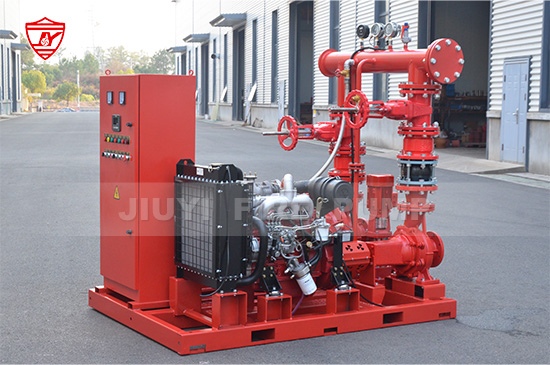
Choosing the right fire pump for your specific application is the first step toward ensuring efficiency. Different fire pumps are designed to handle different types of buildings and systems. Whether you are installing an electric, diesel, or vertical turbine fire pump, it’s essential to choose one that is appropriately sized for the water flow and pressure requirements of your system. Oversized or undersized pumps can cause inefficiencies, resulting in higher energy consumption and poor performance.
Routine maintenance and inspection are crucial for keeping your fire pump in top condition. Over time, dirt, debris, and other contaminants can affect the performance of the pump. Regular checks of the pump's components, including the motor, bearings, valves, and impellers, can help identify potential issues before they become major problems. Ensuring that all components are clean and well-lubricated is essential for preventing unnecessary friction and wear.
Variable speed drives (VSDs) are advanced motor controllers that adjust the speed of the pump depending on the demand. These systems help to optimize the energy consumption of fire pumps by reducing unnecessary energy use during periods of low demand. By using a VSD, the fire pump operates at the most efficient speed based on the actual flow and pressure requirements, reducing the energy consumed and extending the lifespan of the pump.
The design of the entire fire protection system plays a significant role in the efficiency of the fire pump. Properly designed water distribution systems that reduce unnecessary friction losses, such as using appropriately sized pipes and minimizing the number of bends and fittings, ensure that the pump operates at maximum efficiency. By designing the system with efficiency in mind, you can reduce the strain on the pump and improve the overall performance of the fire protection system.
After installation or during maintenance, it’s essential to conduct performance tests to ensure that the fire pump is operating as intended. Testing for water flow, pressure, and pump performance under various conditions can identify potential inefficiencies. Additionally, implementing a monitoring system can provide real-time data on the fire pump’s performance, enabling you to spot any issues and address them promptly before they lead to failures.
The manufacturer you choose plays an essential role in the efficiency of your fire pump system. Reputable fire pump manufacturers invest in high-quality materials and cutting-edge technology to ensure that their pumps are reliable and efficient. When selecting a manufacturer, look for companies that provide UL-certified fire pumps and comply with NFPA standards. Additionally, a manufacturer that offers comprehensive support services, such as installation assistance, maintenance, and troubleshooting, can help ensure that your fire pump operates at peak performance for years to come.
Fire pump efficiency should be a primary consideration for anyone involved in fire safety and protection. By ensuring that your fire pump operates at its highest level of efficiency, you not only improve the performance of your fire suppression system but also reduce operating costs, enhance reliability, and extend the lifespan of your equipment. Proper selection, regular maintenance, and performance monitoring can go a long way in optimizing fire pump efficiency and ensuring the safety of your building and its occupants. Prioritize fire pump efficiency today to ensure your system is ready when it’s needed the most.