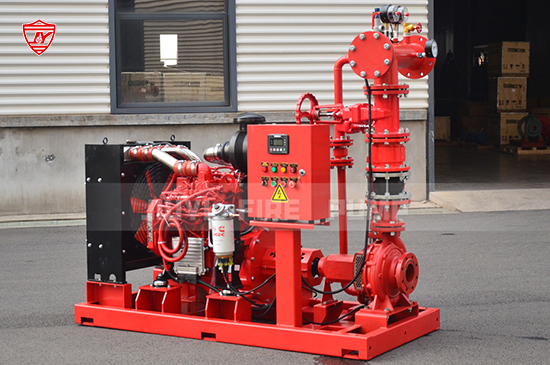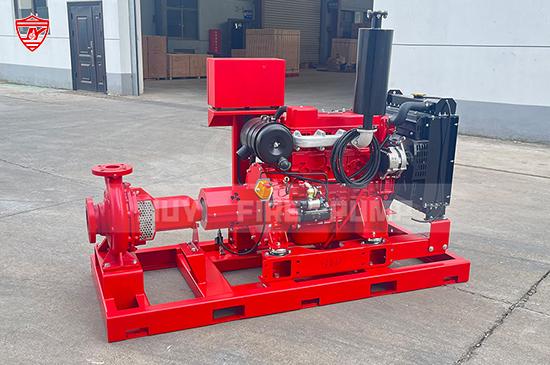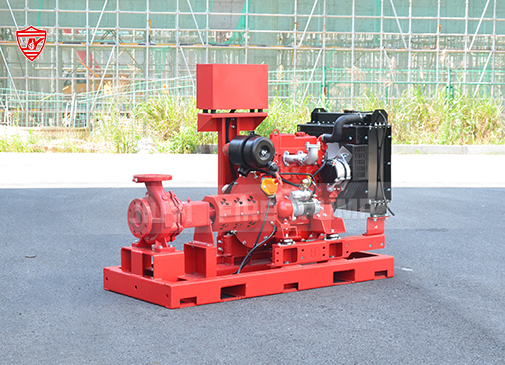
Fire pumps are one of the most critical components in any fire protection system. When a fire emergency occurs, the fire pump must operate immediately and deliver sufficient water pressure to protect lives, buildings, and valuable assets. However, even the highest-quality fire pump can fail if it is not properly maintained.
Long-term reliability depends on consistent inspection, regular testing, preventive maintenance, and proper system management. Whether the system uses an electric fire pump, diesel engine fire pump, or vertical turbine fire pump, maintenance plays a vital role in ensuring dependable performance.
In many facilities, fire pumps remain idle for long periods. Because the system is not used daily, some operators mistakenly assume that little maintenance is required. In reality, standby equipment requires careful attention because hidden problems can develop over time without obvious warning signs.
This article explains how to maintain a fire pump for long-term reliability, including inspection procedures, testing requirements, common problems, and best practices for extending equipment life.
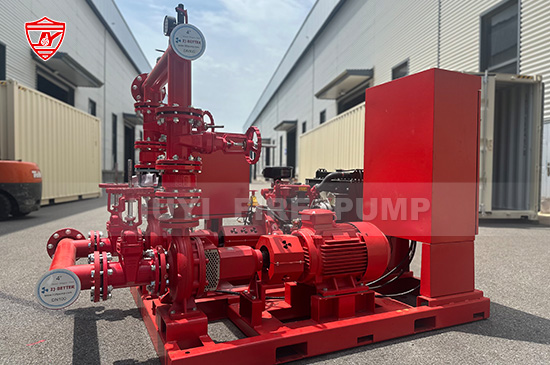
A fire pump is the heart of a fire protection system. Its purpose is to provide adequate water flow and pressure when the main water supply cannot meet the system demand. If the pump fails during an emergency, the entire fire protection system may become ineffective.
Regular maintenance helps facility owners and fire protection professionals:
Fire pumps are often installed in hospitals, warehouses, factories, high-rise buildings, airports, shopping centers, power plants, and industrial facilities where system reliability is essential.
Effective maintenance begins with understanding the key components of the system. A typical fire pump system includes:
Each component requires regular inspection and maintenance to ensure the entire system functions correctly.
NFPA 25 is one of the most recognized standards for inspection, testing, and maintenance of water-based fire protection systems. It provides guidance on routine fire pump maintenance and testing schedules.
According to NFPA 25, maintenance activities typically include:
Following a structured maintenance schedule helps maintain long-term system reliability and compliance.
The environment surrounding the fire pump can significantly affect its performance and lifespan.
A properly maintained pump room should be:
Excessive humidity can cause corrosion, while freezing temperatures may damage pipes and components. Dust accumulation can affect cooling systems and electrical equipment.
Good housekeeping practices improve equipment reliability and simplify inspections.
Visual inspections are one of the simplest yet most effective maintenance practices.
Operators should routinely inspect:
Look for signs of:
Small problems discovered early are usually easier and less expensive to repair.
Routine testing ensures the fire pump will operate correctly during an emergency.
A churn test operates the pump without significant water flow. This test helps verify:
Annual flow testing measures the pump’s actual performance under different flow conditions.
The test compares:
If performance drops significantly compared to original factory test results, the system may require maintenance or repair.
Regular testing helps identify:
Diesel engine fire pumps require additional maintenance compared to electric fire pumps because they include engine systems similar to industrial generators.
Key diesel engine maintenance tasks include:
Diesel fuel can degrade over time. Operators should:
Poor fuel quality can cause engine failure during emergency operation.
Battery failure is one of the most common causes of diesel fire pump problems.
Inspect:
Batteries should be replaced according to manufacturer recommendations even if they appear functional.
The cooling system prevents engine overheating.
Operators should:
Overheating can severely damage the engine and reduce reliability.
Electric fire pumps generally require less maintenance, but regular inspections remain essential.
Important maintenance tasks include:
Loose electrical connections can generate heat and cause equipment failure.
Periodic testing of controllers and automatic transfer switches is also critical for system reliability.
Proper lubrication reduces friction, prevents overheating, and extends equipment life.
Operators should:
Improper lubrication is a common cause of premature mechanical failure.
Misalignment between the pump and driver can cause:
Alignment should be checked:
Laser alignment tools can improve accuracy and reduce maintenance problems.
Pump seals and packing prevent water leakage while allowing shaft rotation.
Over time, seals may wear due to:
Excessive leakage may indicate worn packing or seal damage.
Routine inspection helps prevent:
Replacing worn seals early can prevent larger mechanical failures.
Corrosion is a major threat to long-term fire pump reliability, especially in humid or coastal environments.
Common corrosion prevention methods include:
Corrosion can weaken pipes, damage valves, and reduce pump performance.
Pressure gauges and flow meters provide valuable information about system health.
Abnormal readings may indicate:
Operators should compare readings against baseline performance data to identify gradual performance changes over time.
Accurate records help technicians diagnose issues more effectively.
Maintenance documentation is essential for long-term reliability management.
Records should include:
Detailed records help identify recurring issues and support compliance audits.
They also provide valuable information when troubleshooting system problems.
Even the best equipment can fail if operators lack proper training.
Personnel responsible for fire pump systems should understand:
Regular training improves inspection quality and reduces operational errors.
Several common mistakes can reduce fire pump reliability.
Minor leaks may seem harmless but can indicate seal failure, corrosion, or pressure problems.
Some facilities avoid testing to reduce operational interruptions. However, lack of testing increases the risk of hidden failures.
Old or contaminated diesel fuel is a major cause of engine problems.
Using incorrect lubricants or over-greasing bearings can damage components.
Postponing small repairs often leads to larger and more expensive failures.
Avoiding these mistakes helps maintain reliable system performance over the long term.
Some components naturally wear over time and require replacement.
Common replacement items include:
Operators should follow manufacturer recommendations and replace components before failure occurs.
Preventive replacement reduces unexpected downtime and improves reliability.
Maintenance alone cannot compensate for poor-quality equipment. Choosing reliable fire pumps from experienced manufacturers is equally important.
High-quality fire pumps typically offer:
UL listed and NFPA 20 compliant fire pump systems are widely recognized for meeting strict fire protection requirements.
Investing in quality equipment combined with proper maintenance provides the best long-term reliability.
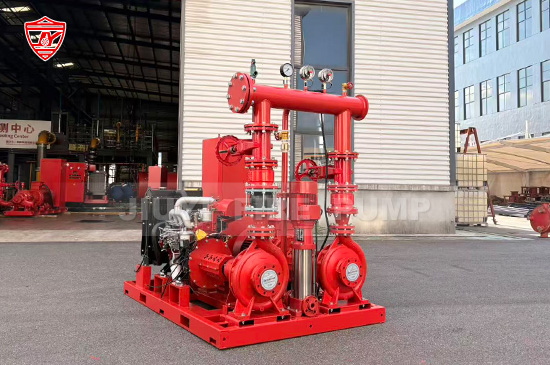
Fire pump maintenance is essential for ensuring reliable fire protection performance. A well-maintained fire pump system can operate effectively for many years while reducing repair costs and minimizing operational risks.
Long-term reliability depends on:
Whether using electric fire pumps, diesel engine fire pumps, or vertical turbine fire pumps, preventive maintenance should always be treated as a priority.