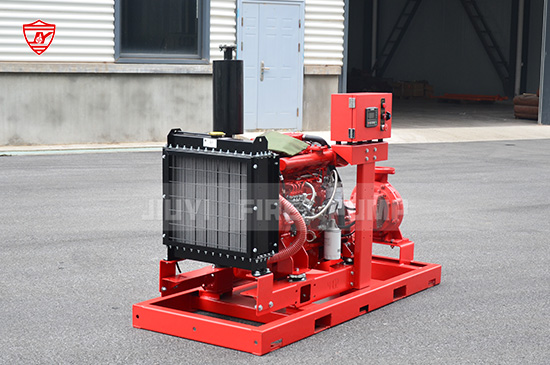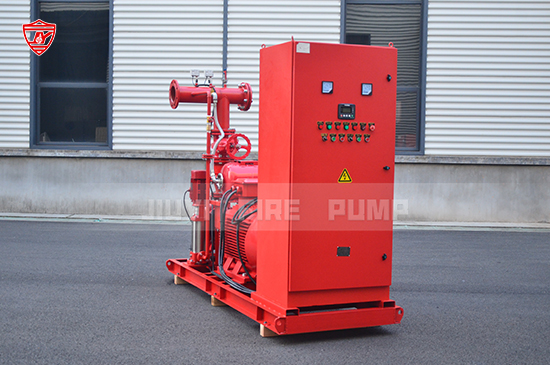
Selecting the correct fire pump size is one of the most important steps in designing a reliable fire protection system. An undersized fire pump may fail to deliver enough water during an emergency, while an oversized pump can create excessive pressure, damage system components, increase energy costs, and complicate system operation.
Whether for commercial buildings, industrial facilities, warehouses, petrochemical plants, or high-rise structures, proper fire pump sizing ensures that the fire protection system performs effectively when needed most.
This article explains how to size a fire pump correctly, the key factors involved, common mistakes to avoid, and the standards that should guide the process.
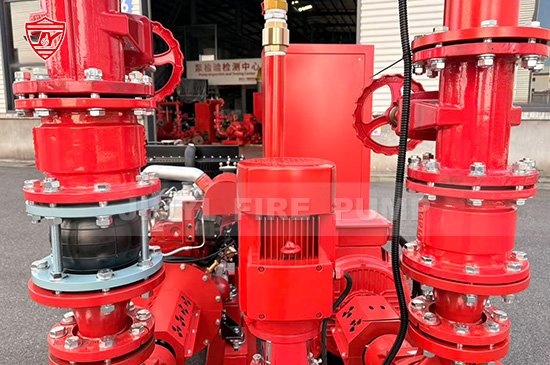
Fire pump sizing refers to the process of determining the required flow rate and pressure needed for a fire protection system. The pump must provide enough water to meet the system demand under the most hydraulically demanding conditions.
The sizing process involves:
A properly sized fire pump supports stable system operation and ensures compliance with fire safety regulations.
Correct fire pump sizing affects the overall performance and reliability of the fire protection system.
The fire pump must supply enough water flow and pressure to sprinklers, hydrants, hose reels, or foam systems during a fire emergency.
Oversized pumps may generate excessive pressure that can damage pipes, valves, and fittings. This can also increase maintenance requirements.
A correctly sized pump operates closer to its best efficiency point, reducing energy consumption and operating costs.
Fire protection systems must comply with NFPA 20 and other local fire codes. Improper sizing may result in failed inspections or non-compliant systems.
Before selecting a fire pump, engineers must gather detailed information about the fire protection system.
Different occupancies require different fire protection demands.
Examples include:
Higher hazard levels generally require higher flow rates and pressures.
The required flow rate is usually measured in gallons per minute (GPM) or liters per minute (LPM).
Flow demand depends on:
The hydraulic calculation identifies the total water demand at the most remote point in the system.
The fire pump must overcome:
Pressure is typically measured in PSI or bar.
Available water supply significantly affects fire pump sizing.
Engineers must evaluate:
A water supply test is often necessary to determine available flow and pressure.
The first step is calculating the required fire flow.
For sprinkler systems, hydraulic calculations determine the most demanding area. Additional hose stream demand may also be required.
Example:
The fire pump must deliver at least this flow rate.
Next, calculate the pressure needed at the pump discharge.
The calculation includes:
Example:
Total required pressure:
135 PSI
The pump must provide at least this pressure at the required flow rate.
The available water supply determines how much pressure boost the pump must provide.
Example:
Pump pressure requirement:
90 PSI boost
The pump must deliver 1000 GPM at 90 PSI.
Different applications may require different fire pump types.
Common for:
Advantages:
Used when the water source is below ground level, such as:
Common in industrial and municipal applications.
Suitable for smaller systems with limited space.
Ideal for buildings where floor space is limited.
Pump selection should always consider the manufacturer’s performance curve.
The selected pump should:
The pump curve helps confirm that the selected model performs correctly under different flow conditions.
Fire pumps are rated according to their flow capacity.
Common ratings include:
The selected capacity must satisfy system demand while maintaining required pressure.
According to NFPA 20:
These requirements ensure reliable operation during varying fire conditions.
Many assume a larger pump provides better protection. However, oversized pumps can create:
Pressure relief valves may become necessary to control excess pressure.
Facilities may expand over time. Failing to consider future system demand can require costly upgrades later.
Designers should evaluate potential future requirements during initial sizing.
Long pipe runs, fittings, valves, and backflow preventers can create substantial pressure loss.
Incomplete calculations may lead to insufficient system performance.
Municipal water supplies can fluctuate seasonally or during peak demand periods.
Water supply testing should reflect worst-case conditions whenever possible.
A pump operating far from its best efficiency point may experience:
NFPA 20 is the primary standard governing fire pump installation and performance.
It provides requirements for:
Compliance with NFPA 20 helps ensure safe and reliable fire protection system performance.
Manufacturers offering UL listed and NFPA 20 compliant fire pumps provide additional assurance regarding quality and regulatory compliance.
Both electric and diesel fire pumps are commonly used in fire protection systems.
Advantages:
Best for:
Advantages:
Best for:
The selection depends on site conditions, utility reliability, and project requirements.
High-rise buildings require special attention during fire pump sizing due to elevation pressure losses.
Key considerations include:
As building height increases, pump pressure requirements rise significantly.
Engineers must carefully balance pressure demands to avoid excessive pressure at lower floors.
Proper sizing must be verified through acceptance testing after installation.
Testing confirms:
Common tests include:
Routine testing and maintenance also help ensure long-term reliability.
Experienced fire pump manufacturers often assist customers with:
Providing detailed project information helps manufacturers recommend the most suitable fire pump solution.
Important details include:
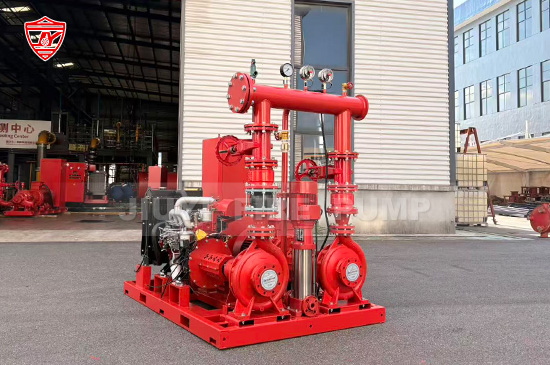
Correct fire pump sizing is critical for ensuring effective fire protection system performance. The process requires careful evaluation of flow demand, pressure requirements, water supply conditions, and applicable fire safety standards.
A properly sized fire pump improves system reliability, supports NFPA 20 compliance, reduces operational problems, and ensures adequate protection during emergencies.
Whether selecting an electric fire pump, diesel engine fire pump, or vertical turbine fire pump, engineers and facility owners should work closely with experienced manufacturers and fire protection professionals to ensure accurate sizing and dependable operation.