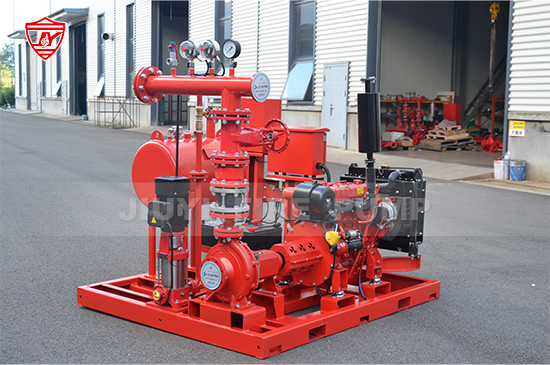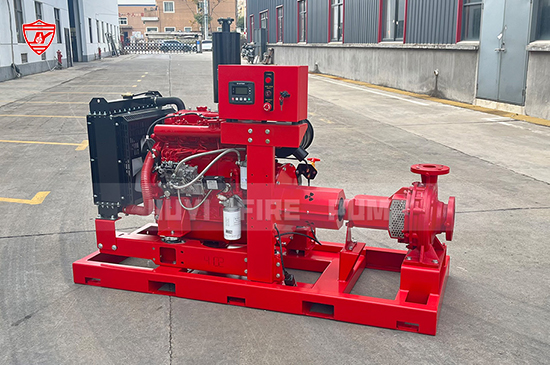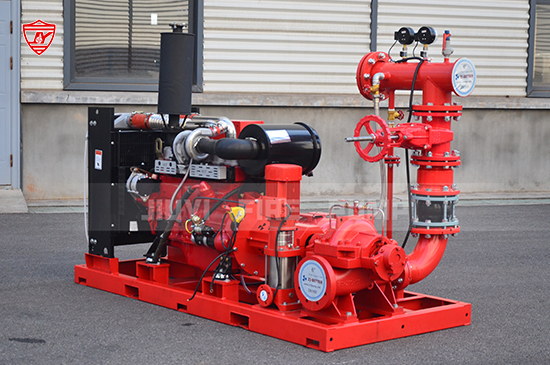
Diesel fire pumps play a critical role in fire protection systems, especially in industrial plants, commercial buildings, warehouses, oil facilities, and locations where electrical reliability may be limited. During a fire emergency, the fire pump must start immediately and operate continuously to deliver the required water pressure and flow for firefighting systems.
However, improper startup procedures can lead to pump failure, engine damage, delayed firefighting response, or even complete system malfunction. Understanding the correct starting procedure for a diesel fire pump is essential for operators, maintenance personnel, facility managers, and fire protection contractors.
In this article, we will explain how to start a diesel fire pump correctly, including pre-start inspections, startup procedures, common mistakes, troubleshooting methods, and maintenance recommendations.
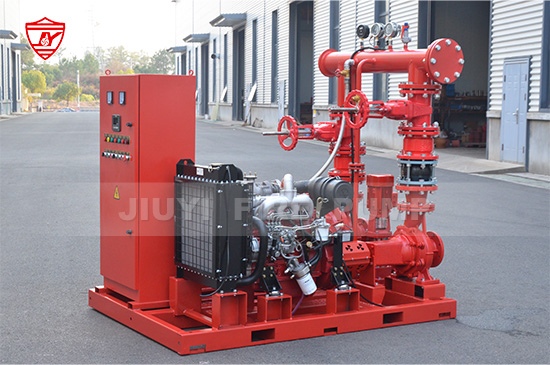
A diesel fire pump is a fire protection pump driven by a diesel engine instead of an electric motor. It is commonly used as the primary fire pump or backup fire pump in facilities where electrical power may fail during emergencies.
A complete diesel fire pump system usually includes:
These systems are typically designed according to NFPA 20 standards and are required to operate automatically during fire events.
Starting a diesel fire pump correctly is important for several reasons:
During a fire emergency, every second matters. A properly started fire pump ensures water reaches sprinklers, hydrants, and hose reels without delay.
Incorrect startup procedures can cause overheating, lubrication problems, battery failure, or mechanical stress on the diesel engine.
Routine correct operation helps maintain the reliability and readiness of the fire protection system.
Proper startup and operation reduce unexpected failures and maintenance costs.
Before starting the diesel fire pump, operators should complete a full inspection to ensure the system is ready for operation.
Verify that the diesel fuel tank contains sufficient clean fuel. Low fuel levels can prevent startup or interrupt pump operation during emergencies.
Inspect for:
Check the engine oil using the dipstick. The oil level should remain within the recommended operating range.
Low oil levels may trigger engine shutdown protection or damage engine components.
Inspect the cooling system carefully:
Overheating is one of the most common causes of diesel engine failure.
Diesel fire pumps rely heavily on battery systems for starting.
Check:
Most diesel fire pumps use dual battery systems for reliability.
Ensure the fire pump controller is in automatic mode unless manual testing is being performed.
Inspect for:
The pump room should remain:
Excessive heat, humidity, or poor ventilation can affect engine performance.
Verify that:
Closed valves may prevent water flow and damage the pump.
There are generally two methods for starting a diesel fire pump:
Both methods require proper procedures.
Most diesel fire pumps are designed to start automatically when system pressure drops.
When a sprinkler activates or hydrant demand increases, the fire protection system pressure decreases.
The pressure sensing line sends a signal to the fire pump controller.
The fire pump controller automatically initiates the diesel engine starting sequence.
The controller attempts to start the engine using the primary battery set.
If the first battery fails, the controller automatically switches to the secondary battery.
This redundancy improves system reliability during emergencies.
Once the diesel engine starts:
The fire pump operates until the required pressure and flow are achieved.
The system continues running until manually stopped according to fire safety procedures.
Manual startup is commonly used during maintenance, testing, or troubleshooting.
Before manual testing:
Ensure:
Set the fire pump controller to manual operation.
Follow manufacturer instructions carefully.
Press the manual start button on the controller.
Observe:
The engine should start smoothly within several seconds.
After startup, monitor:
Abnormal readings may indicate mechanical problems.
During operation, inspect:
Unusual vibration or leakage should be corrected immediately.
Even well-maintained diesel fire pumps can experience startup issues.
Possible causes:
Solutions:
Possible causes:
Solutions:
Possible causes:
Solutions:
Black smoke may indicate:
White smoke may indicate:
Proper engine diagnosis should be performed immediately.
Possible causes:
Solutions:
Operating a diesel fire pump involves mechanical, electrical, and fuel-related hazards.
Always follow these safety guidelines.
Do not bypass alarms, shutdown systems, or pressure controls.
These devices protect both personnel and equipment.
Diesel engines produce exhaust gases that can become dangerous in enclosed spaces.
Ensure proper pump room ventilation at all times.
Only trained personnel should perform startup, testing, and maintenance procedures.
Maintain access to:
NFPA 20 provides detailed requirements for installation and operation of fire pump systems.
Compliance helps improve safety and reliability.
Routine testing is essential for diesel fire pump reliability.
Most standards require weekly no-flow or flow testing.
Testing records should be documented and maintained for inspections.
Proper maintenance greatly improves diesel fire pump reliability.
Dirty fuel or air filters reduce engine performance.
Follow manufacturer replacement schedules.
Battery failure is a leading cause of diesel fire pump startup failure.
Regularly:
Contaminated diesel fuel can damage injectors and reduce engine efficiency.
Use clean fuel and inspect tanks regularly.
Proper lubrication reduces wear and improves engine lifespan.
Cooling failures can cause serious engine damage during emergencies.
Inspect hoses, pumps, coolant, and radiators regularly.
Certain warning signs should never be ignored.
Repeated failed starts indicate serious electrical or fuel system issues.
Knocking, grinding, or excessive vibration may indicate internal engine damage.
Fuel, oil, or coolant leaks can quickly become dangerous.
Rust and corrosion can weaken piping, fittings, and engine components.
Any controller alarm should be investigated immediately.
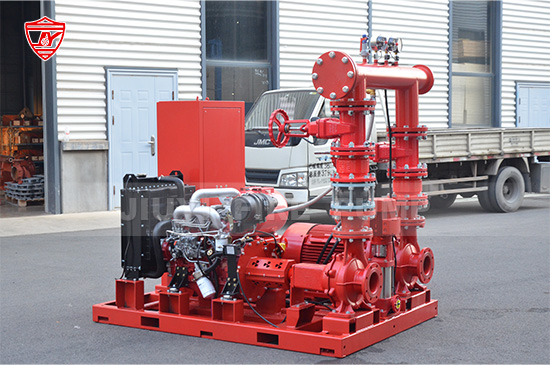
A diesel fire pump is one of the most important components in a fire protection system. During emergencies, it must start quickly, operate reliably, and maintain the required water pressure for firefighting operations.
Understanding the correct startup procedure helps prevent equipment failure, improves operational reliability, and ensures compliance with fire protection standards.