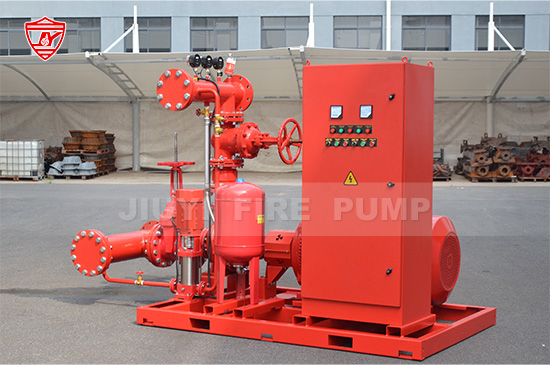
Fire pumps are one of the most critical components in a fire protection system. During an emergency, they provide the water pressure and flow needed for sprinkler systems, hydrants, standpipes, and other firefighting equipment to operate effectively. However, a fire pump can only perform its job if it has a reliable source of power. This is why backup power is essential in fire pump systems.
In many fire incidents, electrical failure occurs either before or during the fire event. Heat damage, equipment malfunction, explosions, or utility interruptions can all cause a sudden loss of electrical supply. Without backup power, an electric fire pump may stop working precisely when the building needs it most. The consequences can be severe, including uncontrolled fire spread, property destruction, business interruption, and risk to human life.
This article explains why backup power is necessary for fire pumps, how it improves fire safety reliability, the common backup power options available, and the relevant standards that govern emergency fire pump operation.
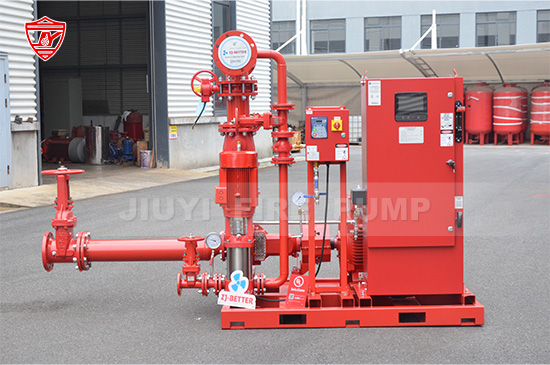
A fire pump is designed to increase water pressure in a fire protection system when the existing water supply cannot provide sufficient pressure or flow. Fire pumps are commonly installed in:
In these environments, fire pumps ensure that water can reach all parts of the building during firefighting operations. Without adequate pressure, sprinklers and hydrants may fail to control the fire effectively.
Because fire pumps are directly connected to life safety systems, their reliability is extremely important. A fire protection system is only as strong as its ability to operate continuously during an emergency.
Power outages are one of the most common risks during a fire emergency. Electrical systems can fail for several reasons:
Fires often damage electrical cables, switchboards, transformers, and utility connections. Even a small fire can interrupt the main power supply to a building.
Natural disasters, storms, accidents, or overloads on the electrical grid may cause utility outages. If a fire occurs during a blackout, a building without backup power may lose its fire protection capability.
Electrical faults inside the building, such as short circuits or breaker failures, can disconnect the fire pump from its power source.
Power supply interruptions may also happen during maintenance work or equipment replacement. Backup systems help maintain fire protection readiness even during these situations.
Because power failure is a realistic possibility, fire protection engineers design systems with redundancy and emergency power solutions.
When an electric fire pump loses power, the fire protection system may experience an immediate drop in water pressure. This can lead to several dangerous consequences.
Automatic sprinkler systems depend on sufficient pressure to discharge water properly. Without the fire pump, water flow may become too weak to suppress the fire.
Firefighters rely on hydrants and standpipe systems for firefighting operations. Inadequate pressure can reduce their ability to control the fire quickly.
Modern buildings often contain combustible materials, electrical equipment, and valuable assets. A fire that cannot be controlled in its early stages can spread rapidly throughout the structure.
In hospitals, hotels, schools, and residential buildings, system failure can endanger occupants and delay evacuation efforts.
Beyond safety concerns, fire damage can result in significant financial losses, production downtime, legal liability, and insurance complications.
For these reasons, backup power is not simply an optional feature. In many facilities, it is a necessary part of a reliable fire protection strategy.
There are several methods used to ensure fire pumps remain operational during power loss.
One of the most common solutions is the diesel engine fire pump. Unlike electric fire pumps, diesel-driven pumps do not depend on the building’s electrical supply.
Diesel fire pumps use internal combustion engines to drive the pump directly. This provides several advantages:
Diesel fire pumps are widely used in facilities where electrical reliability is uncertain or where regulations require an independent backup system.
To maintain reliability, diesel fire pumps are equipped with:
Regular testing and maintenance are essential to ensure the engine starts immediately during an emergency.
Another common backup solution is the use of emergency generators.
In this setup, the primary fire pump remains electrically driven, but a standby generator automatically supplies power if the utility source fails.
Emergency generators offer several benefits:
The generator must be properly sized to handle the fire pump’s starting and running requirements. Fire pumps typically require high starting current, so generator capacity calculations are extremely important.
Automatic transfer switches are also necessary to ensure rapid transition between utility power and generator power.
Some facilities use dual utility feeds or alternative power arrangements to improve reliability.
In this configuration, the fire pump controller can switch between two independent power sources. If one source fails, the second source continues supplying electricity.
Although this arrangement improves redundancy, it may still depend on the stability of the electrical infrastructure. Therefore, many critical facilities combine dual power feeds with generators or diesel fire pumps.
NFPA 20, the Standard for the Installation of Stationary Pumps for Fire Protection, provides important guidance on fire pump power reliability.
The standard emphasizes that fire pump power supplies must be reliable and protected against interruption. It includes requirements related to:
NFPA 20 recognizes that fire pumps are life safety equipment and therefore require special protection measures.
For example, fire pump circuits are typically designed to minimize the risk of accidental disconnection. The standard also includes specific requirements for generator installation and performance testing.
Compliance with NFPA 20 helps building owners improve fire protection reliability and meet insurance and regulatory requirements.
Some industries require especially reliable fire pump systems because the consequences of fire are extremely severe.
Data centers contain valuable electronic equipment and require continuous operation. Fire pump failure during a power outage could lead to catastrophic losses.
Hospitals must maintain life safety systems even during emergencies. Backup power ensures fire protection systems remain operational while patients and staff are protected.
Flammable liquids and hazardous materials increase fire risks significantly. Reliable fire pumps are essential for industrial fire suppression.
Factories often contain expensive machinery and combustible materials. Fire pump reliability helps minimize production losses and operational downtime.
Tall buildings depend heavily on fire pumps to maintain adequate pressure at upper floors. Backup power is essential for occupant safety and firefighting operations.
Installing backup power alone is not enough. Regular inspection, testing, and maintenance are necessary to ensure the system performs correctly during emergencies.
Important maintenance practices include:
Neglecting maintenance can result in startup failure during a real emergency.
Routine testing also helps facility managers identify problems before they become critical.
The best backup power arrangement depends on several factors:
Electric fire pumps with emergency generators are common in commercial buildings, while diesel fire pumps are often preferred in industrial facilities or areas with unstable electrical infrastructure.
In many projects, engineers evaluate both reliability and long-term operating costs before selecting the most suitable system.
Working with experienced fire pump manufacturers and fire protection engineers is important for proper system design.
As buildings become more complex and fire safety standards continue evolving, the demand for highly reliable fire pump systems is increasing.
Modern fire pump systems now include:
These technologies help improve system reliability, reduce maintenance risks, and provide faster response during emergencies.
At the same time, stricter fire safety regulations are encouraging building owners to invest in more dependable backup power solutions.
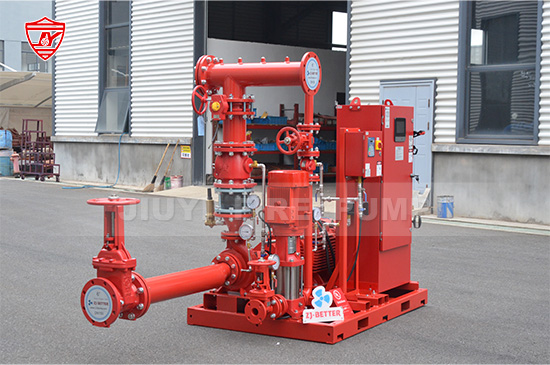
Fire pumps play a vital role in protecting lives, property, and business operations during a fire emergency. However, even the most advanced fire pump system becomes ineffective if it loses power when needed most.
Backup power ensures that fire pumps continue operating during electrical failures, utility outages, and emergency situations. Whether through diesel engine fire pumps, emergency generators, or dual power systems, reliable backup solutions are essential for maintaining fire protection performance.
NFPA 20 and other fire safety standards emphasize the importance of dependable power supplies because fire emergencies are unpredictable and power interruptions are common during critical events.
.jpg)