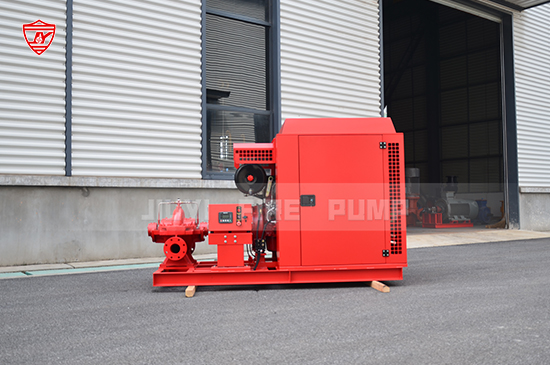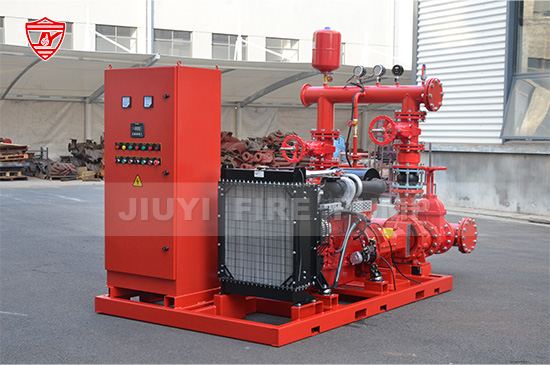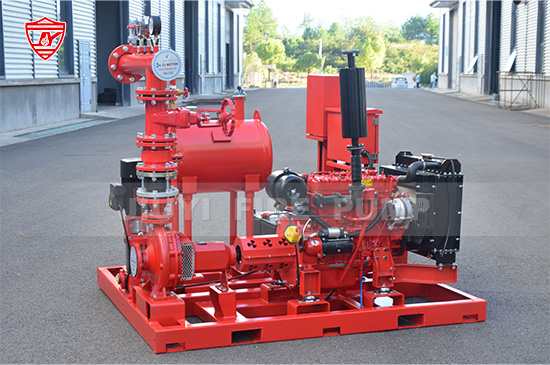
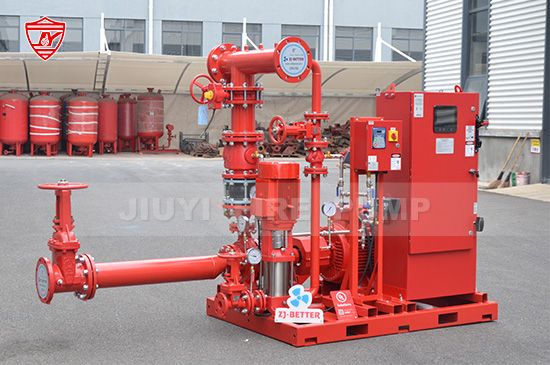
Fire pumps are one of the most critical components in any fire protection system. Whether installed in industrial facilities, commercial buildings, warehouses, or municipal projects, a fire pump must operate reliably under emergency conditions. However, excessive vibration is one of the most common issues affecting fire pump performance, reliability, and service life.
If vibration problems are ignored, they can lead to seal leakage, bearing damage, coupling failure, pipe stress, noise, reduced efficiency, and even complete pump failure during a fire emergency. For fire safety professionals, contractors, and facility managers, understanding how to prevent fire pump vibration is essential for maintaining system reliability and compliance.
This article explains the common causes of fire pump vibration, the risks associated with excessive vibration, and the most effective methods to prevent vibration problems in fire pump systems.
A certain level of vibration is normal in rotating equipment. However, excessive or abnormal vibration usually indicates mechanical, hydraulic, or installation-related issues.
When vibration increases beyond acceptable limits, it can create several operational problems, including:
In fire protection systems, reliability is critical. A fire pump that fails during a fire emergency can cause severe property loss and safety risks. Preventing vibration problems helps ensure stable operation and long-term performance.
Understanding the root causes of vibration is the first step toward prevention.
Misalignment between the pump and driver is one of the most common causes of vibration. This issue can occur in both electric motor-driven and diesel engine-driven fire pumps.
There are two primary types of misalignment:
Even small alignment errors can generate excessive vibration during operation. Over time, this may damage bearings, couplings, shafts, and seals.
Alignment problems often occur because of:
Precision alignment tools should always be used during installation and maintenance.
A fire pump requires a rigid and stable foundation to minimize vibration. If the concrete foundation is uneven, cracked, or insufficiently reinforced, vibration levels can increase significantly.
Common foundation issues include:
The pump baseplate should be securely mounted and properly grouted to provide full support.
Cavitation is another major cause of vibration in fire pumps. Cavitation occurs when vapor bubbles form inside the pump due to insufficient suction pressure. These bubbles collapse violently inside the pump casing, causing shock waves and vibration.
Common causes of cavitation include:
Signs of cavitation include:
Proper suction design is essential to prevent cavitation.
Improper piping installation can transfer stress directly to the pump casing, leading to vibration and alignment problems.
Common piping mistakes include:
Piping should be independently supported so that no external force is transferred to the pump.
Proper suction piping design is especially important because turbulence at the suction inlet can increase vibration and reduce hydraulic performance.
Bearings support the rotating shaft and help maintain stable operation. Over time, bearings can wear due to:
Damaged bearings often create noticeable vibration and unusual noise. If not replaced in time, they may lead to shaft damage or catastrophic pump failure.
Routine inspection and lubrication are critical for extending bearing life.
The impeller rotates at high speed inside the pump. If the impeller becomes unbalanced, vibration levels can increase rapidly.
Impeller imbalance may result from:
Even a small imbalance can create severe vibration at operating speed. Dynamic balancing should be performed when necessary.
Loose mechanical parts are another common source of vibration.
Potential problem areas include:
Regular inspection helps identify loose components before they become serious problems.
Air trapped inside the pump or piping system can disrupt water flow and create unstable hydraulic conditions.
Air entrainment may occur because of:
Air pockets can produce noise, vibration, and pressure fluctuations. Proper venting and suction design help eliminate this issue.
Preventing vibration requires proper attention during design, installation, operation, and maintenance.
Correct installation is the foundation of reliable fire pump performance.
Key installation practices include:
Professional installation significantly reduces the risk of long-term vibration problems.
Precision alignment is essential for both electric and diesel fire pump systems.
Laser alignment tools provide highly accurate results and help reduce:
Alignment should be checked:
Good suction conditions are critical for smooth pump operation.
Important recommendations include:
A well-designed suction system helps prevent cavitation and hydraulic instability.
Regular vibration analysis is one of the most effective preventive maintenance methods.
Vibration monitoring helps identify:
Detecting problems early can prevent expensive repairs and unplanned downtime.
Many modern fire pump systems use condition monitoring technology to track vibration trends continuously.
Bearing maintenance plays a major role in vibration prevention.
Maintenance teams should:
Contaminated or insufficient lubrication is one of the leading causes of bearing failure.
The coupling transfers power from the driver to the pump. Damaged or worn couplings can create excessive vibration.
Inspect couplings for:
Proper coupling maintenance improves overall system stability.
Rotating parts should remain properly balanced throughout the pump's service life.
If vibration levels increase unexpectedly, inspect the impeller for:
Dynamic balancing may be necessary after repairs or impeller replacement.
Piping systems should never force the pump into position.
To reduce pipe strain:
Pipe stress is a hidden cause of many vibration and alignment issues.
Preventive maintenance is essential for long-term fire pump reliability.
A maintenance program should include:
Routine maintenance reduces unexpected failures and extends equipment life.
NFPA 20 provides important guidelines for fire pump installation and operation. Following these standards helps reduce vibration-related issues and improves system reliability.
NFPA 20 addresses several critical areas, including:
Compliance with recognized fire protection standards is essential for ensuring safe and dependable system performance.
Early detection can prevent major equipment damage.
Common warning signs include:
If any of these signs appear, immediate inspection is recommended.
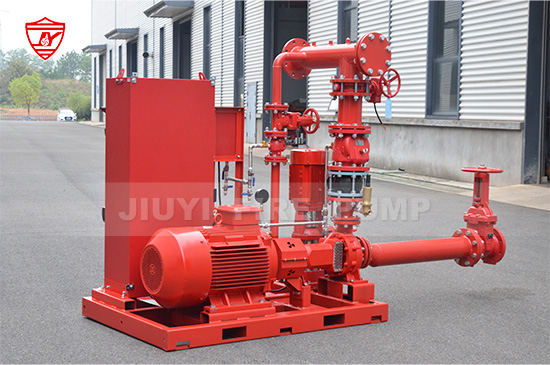
Fire pump vibration problems can significantly affect system reliability, maintenance costs, and emergency performance. In many cases, vibration issues are caused by improper installation, misalignment, cavitation, pipe strain, worn bearings, or poor maintenance practices.
Preventing vibration requires a complete approach that includes proper system design, accurate installation, routine inspection, vibration monitoring, and preventive maintenance.