
Fire pumps are essential components of fire protection systems in commercial buildings, industrial facilities, warehouses, power plants, and high-rise structures. They ensure reliable water pressure during emergencies and play a critical role in protecting lives and property. However, one common issue faced by many facility owners and operators is excessive fire pump noise.
Loud fire pump systems can create uncomfortable working environments, increase maintenance concerns, and even indicate operational problems within the system. Whether the noise comes from vibration, cavitation, engine operation, piping resonance, or poor installation practices, understanding the root causes is the first step toward effective noise reduction.
This article explains the common causes of fire pump noise and provides practical solutions to reduce noise and vibration while maintaining reliable fire protection performance.
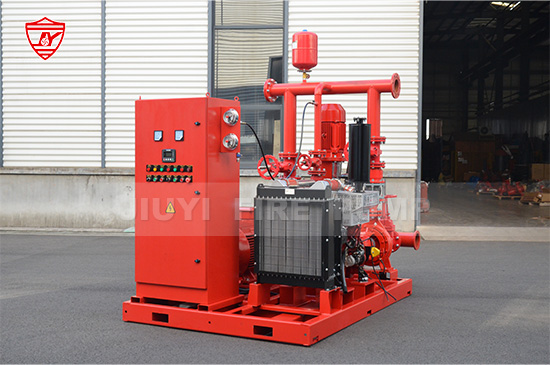
Fire pumps naturally generate some level of sound during operation. The amount of noise depends on the pump type, motor or engine design, installation quality, operating conditions, and surrounding environment.
Typical sources of fire pump noise include:
Understanding where the noise originates helps operators select the most effective corrective measures.
Mechanical noise is generated by moving parts such as bearings, shafts, couplings, impellers, and motors. Worn or damaged components often increase sound levels over time.
Signs of mechanical noise include:
Hydraulic noise occurs when water flow inside the pump becomes unstable. This may result from improper suction conditions, excessive flow velocity, or cavitation.
Common hydraulic noise symptoms include:
Electric motors and diesel engines produce operational sound during normal use. Diesel engine fire pumps generally generate significantly more noise than electric fire pumps due to combustion and exhaust systems.
Improperly supported piping can transmit vibration throughout the building structure. Vibrating pipes often create humming or resonating sounds that become louder during pump startup or operation.
One of the most effective ways to reduce fire pump noise is minimizing vibration transfer.
When pumps operate, vibration travels through the foundation, piping system, and surrounding structures. Without isolation, these vibrations amplify noise throughout the facility.
Common vibration isolation solutions include:
Flexible connectors installed on suction and discharge piping help absorb movement and reduce vibration transmission.
Properly designed vibration isolation systems can significantly lower both airborne and structure-borne noise.
A weak or improperly constructed foundation often contributes to excessive noise and vibration.
The fire pump foundation should:
Concrete inertia bases are commonly used to stabilize fire pump systems. A solid foundation absorbs operational vibration and improves overall system stability.
Poor foundations can lead to:
Ensuring proper foundation design during installation is critical for long-term performance.
Rigid piping systems can transmit vibration directly into walls, ceilings, and structural steel.
Installing flexible connectors between the fire pump and piping system helps isolate movement and reduce noise transfer.
Flexible connectors can:
However, connectors must be installed correctly to avoid excessive movement or system instability.
Cavitation is one of the most damaging and noisy conditions in fire pump systems.
It occurs when low pressure causes vapor bubbles to form and collapse inside the pump. These collapsing bubbles create intense noise and vibration while damaging internal components.
Common causes of cavitation include:
Signs of cavitation include:
To prevent cavitation:
Eliminating cavitation not only reduces noise but also extends pump lifespan.
Misalignment between the pump and driver is a common source of vibration and mechanical noise.
Even small alignment errors can create:
Laser alignment tools provide highly accurate alignment during installation and maintenance.
Routine alignment checks should be part of preventive maintenance programs, especially after:
Correct alignment improves reliability and reduces operating noise.
Poor maintenance is one of the leading causes of excessive fire pump noise.
Over time, wear and contamination increase vibration and mechanical instability.
Important maintenance tasks include:
Loose bolts, worn bearings, and damaged couplings often produce abnormal sounds that worsen if ignored.
Preventive maintenance helps detect problems early before they lead to severe damage or costly downtime.
Pump room acoustics have a major impact on perceived noise levels.
Hard concrete walls and metal surfaces reflect sound waves, making pump rooms significantly louder.
Acoustic treatments can reduce sound reflection and improve working conditions.
Common soundproofing materials include:
When designing acoustic solutions, it is important not to restrict ventilation or equipment accessibility.
Proper ventilation remains essential for:
Diesel engine fire pumps produce higher sound levels than electric units due to combustion and exhaust noise.
Several solutions help reduce diesel fire pump noise:
High-quality mufflers can dramatically reduce exhaust noise without affecting engine performance.
Operators should also inspect:
Proper maintenance keeps diesel systems operating more quietly and efficiently.
Unsupported piping can vibrate excessively during pump operation.
Pipe vibration often spreads noise throughout the building and places stress on pump connections.
Good pipe support practices include:
Engineers should also avoid long unsupported pipe runs that may amplify vibration frequencies.
Proper piping support improves both noise control and system reliability.
Incorrect pump selection can create continuous operational problems, including excessive noise.
Oversized or undersized pumps may operate inefficiently and produce unnecessary vibration.
Factors to consider during pump selection include:
Lower-speed pumps generally operate more quietly than high-speed pumps.
Choosing the correct fire pump configuration during project planning helps minimize future noise issues.
The design of the fire pump room itself strongly affects noise levels.
Important design considerations include:
Crowded pump rooms often increase reflected noise and complicate maintenance access.
Separating fire pump rooms from occupied spaces can also reduce noise complaints in commercial buildings and residential projects.
Not all fire pump noise is normal.
Sudden increases in sound or vibration may indicate developing mechanical failures.
Warning signs include:
These symptoms should never be ignored.
Immediate inspection can prevent:
Reliable fire protection systems depend on stable and quiet operation.
Reducing fire pump noise provides several important benefits:
Noise reduction is not only about comfort. It also contributes to the long-term reliability and efficiency of fire protection systems.
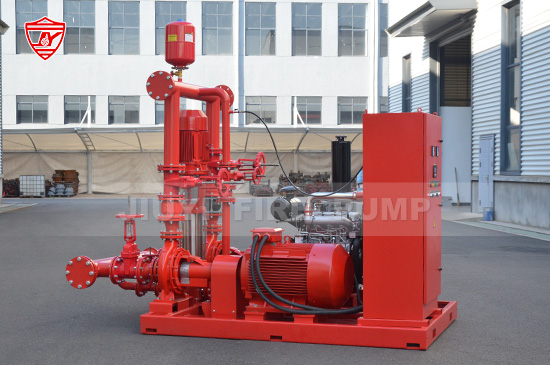
Fire pump noise is a common challenge in commercial and industrial fire protection systems. While some operational sound is normal, excessive noise often indicates vibration problems, cavitation, poor installation, or mechanical wear.
By using proper vibration isolation, improving foundation design, maintaining accurate alignment, preventing cavitation, and applying acoustic treatment, facility owners can significantly reduce fire pump noise and improve overall system performance.
Routine maintenance and correct pump selection also play essential roles in achieving quieter and more reliable operation.
.jpg)