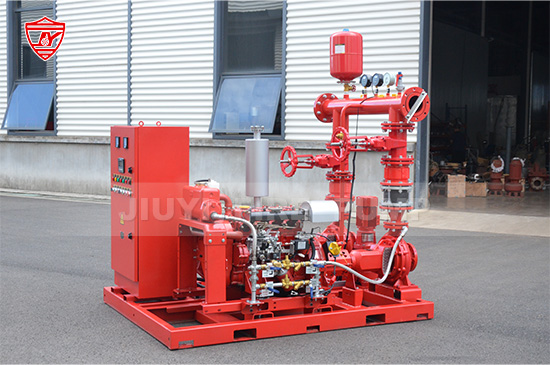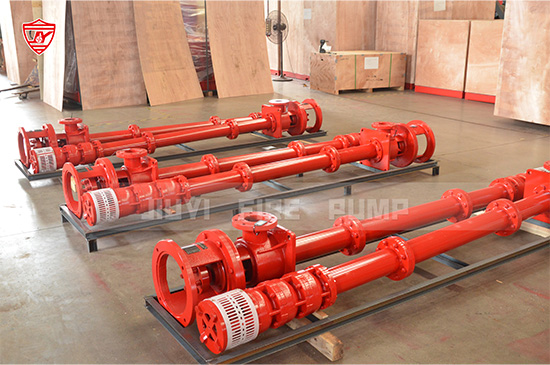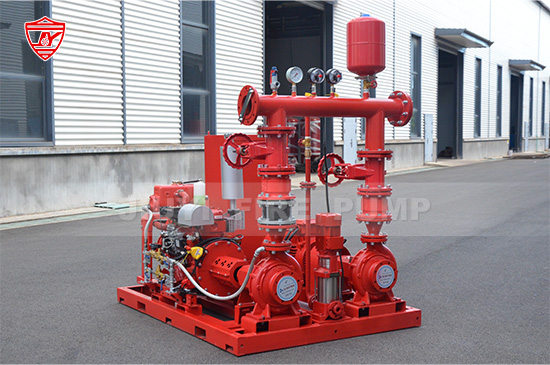
Fire pump controllers are one of the most critical components in any fire protection system. While the fire pump itself delivers the water required during an emergency, the controller acts as the system’s brain, ensuring the pump starts automatically and operates correctly when fire conditions occur. Without a properly functioning controller, even the most advanced fire pump can become ineffective.
In commercial buildings, industrial facilities, warehouses, data centers, and high-rise projects, fire pump controller failure can result in severe safety risks, system downtime, property damage, and regulatory violations. Understanding why fire pump controllers fail is essential for facility owners, fire protection contractors, maintenance teams, and engineers who rely on these systems for life safety.
This article explains the most common causes of fire pump controller failure, the warning signs to watch for, and the best practices to prevent operational problems.
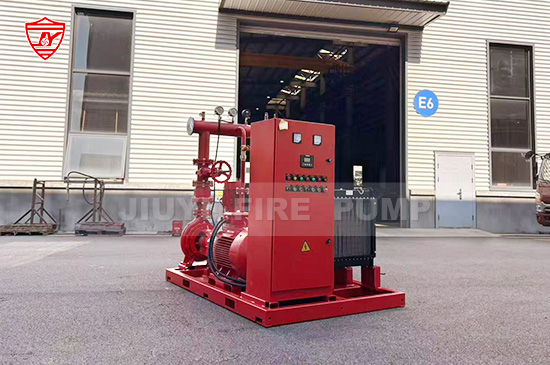
A fire pump controller is designed to monitor system pressure and automatically start the fire pump when pressure drops below a preset level. Controllers also manage alarms, monitor operating conditions, and provide protection for motors and engines.
There are several types of fire pump controllers commonly used in fire protection systems, including:
Each controller type has unique operating characteristics, but they all share the same goal: ensuring reliable fire pump operation during an emergency.
Because controllers operate continuously and often remain idle for long periods, hidden failures can develop without immediate detection.
One of the leading causes of fire pump controller failure is unstable or poor electrical power supply.
Fire pump controllers depend on consistent voltage and current to function correctly. Electrical disturbances such as voltage fluctuations, power surges, phase loss, or poor grounding can damage internal components over time.
Common electrical issues include:
Overheating is particularly dangerous. Loose terminals generate resistance, which creates excessive heat and can damage relays, breakers, contactors, and circuit boards.
In many facilities, improper installation or inadequate electrical inspections contribute to premature controller failure.
Many fire pump controllers fail simply because maintenance is neglected.
Unlike frequently used equipment, fire pump systems may sit idle for extended periods. Facility managers sometimes assume the system is functioning properly because no alarms are visible. However, internal deterioration can occur slowly over time.
Without regular maintenance, problems such as dust buildup, corrosion, loose wiring, battery degradation, and component wear can remain unnoticed until an emergency occurs.
Routine maintenance should include:
NFPA 20 and local fire safety regulations often require periodic testing and inspection of fire pump controllers to ensure operational readiness.
Environmental conditions play a major role in fire pump controller reliability.
Controllers installed in humid pump rooms, basements, coastal facilities, or outdoor enclosures are especially vulnerable to moisture-related failures. Water intrusion can corrode terminals, damage printed circuit boards, and create electrical short circuits.
Condensation inside the controller cabinet is another common issue. Rapid temperature changes can cause moisture to form inside electrical panels even when no direct water exposure occurs.
Other environmental risks include:
Industrial environments with corrosive chemicals or airborne particles can significantly reduce controller lifespan if proper enclosure protection is not used.
To minimize environmental damage, fire pump controllers should be installed in clean, dry, temperature-controlled spaces whenever possible.
Diesel fire pump controllers rely heavily on battery systems. A weak or failed battery is one of the most common causes of diesel fire pump starting problems.
Diesel fire pump systems typically use dual batteries to improve reliability. However, batteries naturally degrade over time, especially under poor maintenance conditions.
Battery-related failures often result from:
Improper charging systems can also shorten battery life. Overcharging may damage batteries, while undercharging prevents adequate starting power.
Routine battery inspection and load testing are essential to ensure dependable diesel engine starting performance.
Like all electrical equipment, fire pump controllers experience natural wear over time.
Internal components such as relays, contactors, timers, switches, transformers, and circuit boards gradually deteriorate after years of operation. Frequent testing cycles and environmental stress accelerate this aging process.
Older controllers may also face challenges related to obsolete parts and outdated technology. When replacement components become unavailable, maintenance becomes more difficult and expensive.
Signs of aging components may include:
Facilities operating older fire protection systems should evaluate controller condition regularly and consider modernization before failures occur.
Incorrect installation is another major contributor to fire pump controller problems.
Even high-quality controllers can fail prematurely if installation does not follow manufacturer specifications or applicable fire protection standards.
Common installation mistakes include:
Improper commissioning procedures can also create hidden issues. If startup testing is incomplete, critical problems may remain undetected until the system is needed during an emergency.
Working with experienced fire protection professionals during installation helps reduce long-term operational risks.
Fire pump controllers rely on pressure switches and sensors to detect pressure drops and initiate automatic pump operation.
If these devices malfunction, the fire pump may fail to start automatically.
Pressure switch failures may result from:
Improper pressure settings can also cause nuisance starts or delayed activation.
Regular testing and calibration are necessary to maintain accurate pressure monitoring and dependable system performance.
Human error remains a significant cause of fire pump controller failure.
Common operational mistakes include:
Sometimes maintenance personnel unintentionally create problems while troubleshooting unrelated electrical systems.
Poor documentation and lack of operator training further increase the risk of mistakes.
Facilities should ensure that only qualified personnel handle fire pump controller operation and maintenance.
Modern fire pump controllers increasingly use digital displays, programmable logic, and electronic monitoring systems.
While advanced technology improves functionality and diagnostics, it also introduces new failure risks.
Electronic failures may involve:
Power surges and electromagnetic interference can damage sensitive electronic components.
Using surge protection devices and maintaining stable electrical infrastructure can help reduce electronic failures.
Early detection is critical for preventing major system failures.
Common warning signs include:
Ignoring these warning signs increases the likelihood of complete system failure during an emergency.
Routine inspections should always investigate abnormal conditions immediately.
Preventive maintenance is the most effective way to improve fire pump controller reliability.
Key preventive measures include:
Weekly and monthly testing helps identify hidden issues before they become critical failures.
Testing should include:
Keeping the pump room clean and dry reduces contamination and moisture-related damage.
Install proper ventilation and climate control when necessary.
Loose electrical terminals are a leading cause of overheating and electrical failure. Periodic torque inspections help maintain safe connections.
Do not wait for critical components to fail completely. Proactive replacement of worn relays, batteries, and contactors improves system reliability.
Proper training helps operators recognize warning signs and avoid operational mistakes.
Maintenance teams should understand controller functions, testing procedures, and emergency operation requirements.
Compliance with NFPA 20 inspection, testing, and maintenance requirements helps ensure fire pump systems remain operational and code compliant.
Fire pump controllers are essential to the success of any fire protection system. When controllers fail, the entire fire suppression system may become compromised.
The most common causes of fire pump controller failure include electrical problems, poor maintenance, environmental damage, battery issues, component aging, improper installation, and human error.
By implementing proper inspection routines, preventive maintenance programs, and professional installation practices, facility owners can significantly reduce system failures and improve fire safety reliability.