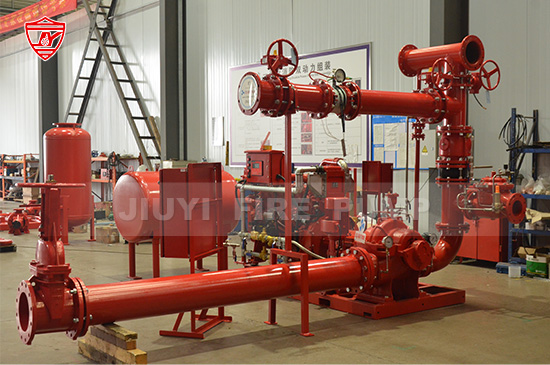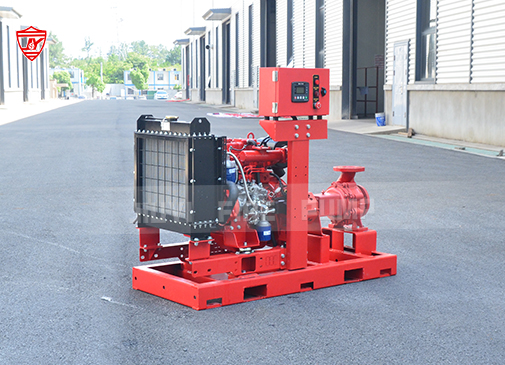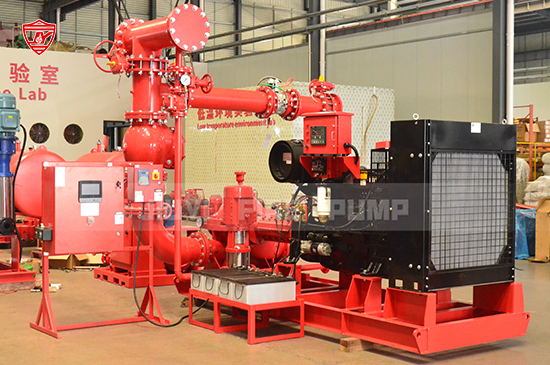
Fire pumps are one of the most critical components in any fire protection system. Whether installed in commercial buildings, industrial facilities, warehouses, power plants, airports, or municipal projects, fire pumps provide the water pressure and flow required to control and extinguish fires during emergencies. Because these systems are expected to operate instantly and reliably when needed, maintaining their performance is essential.
One of the biggest threats to fire pump reliability is corrosion. Over time, corrosion can damage pump components, reduce efficiency, increase maintenance costs, and even lead to complete system failure. In fire safety applications, a failed fire pump can have catastrophic consequences, including property loss, operational downtime, and risks to human life.
For this reason, corrosion protection is not optional for fire pumps. It is a fundamental part of ensuring long-term safety, durability, and operational readiness.
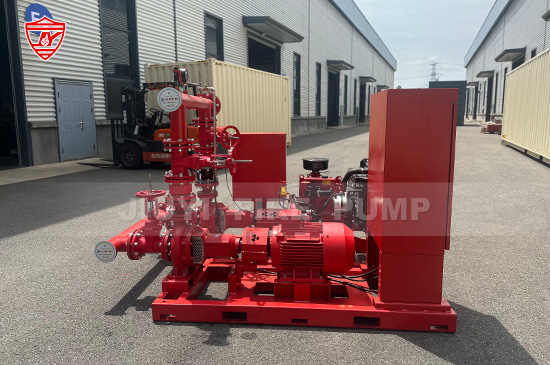
Corrosion is the gradual deterioration of metal caused by chemical reactions with water, oxygen, moisture, and environmental contaminants. Fire pumps continuously interact with water and are often installed in challenging environments where humidity, chemicals, or salt exposure accelerate corrosion.
Common fire pump materials such as cast iron, carbon steel, and even some stainless-steel components can suffer corrosion if not properly protected.
Corrosion can affect many parts of a fire pump system, including:
Once corrosion begins, it can spread quickly throughout the system if maintenance and protection measures are neglected.
Water is the primary factor behind corrosion in fire pump systems. Poor water quality containing high chloride levels, minerals, dissolved oxygen, or acidic compounds can accelerate metal deterioration.
For example, seawater applications or coastal projects often expose fire pumps to high salt concentrations, which significantly increase the risk of rust and corrosion.
Fire pump rooms are frequently exposed to moisture and condensation. High humidity levels create ideal conditions for corrosion on external metal surfaces, electrical components, and piping systems.
Underground pump rooms or poorly ventilated areas are particularly vulnerable.
Industrial facilities may contain airborne chemicals, vapors, or pollutants that attack metal surfaces. Chemical plants, refineries, and manufacturing sites often require additional corrosion-resistant solutions because standard protection methods may not be sufficient.
When water remains stagnant inside pipes or pump casings for long periods, oxygen concentration differences can lead to localized corrosion. Sediment buildup and bacterial growth may also contribute to internal damage.
Without regular inspection and preventive maintenance, minor corrosion can quickly become severe. Small rust spots, coating failures, or leaks can develop into major structural damage if ignored.
Corrosion damages internal hydraulic surfaces such as impellers and pump casings. Rough or uneven surfaces disrupt water flow and reduce pump efficiency.
As efficiency decreases, the pump must work harder to achieve the required pressure and flow rates, increasing energy consumption and operational stress.
Corrosion weakens metal components over time. Shafts, bolts, bearings, and couplings may lose structural strength, increasing the possibility of sudden mechanical failure during operation.
In emergency situations, even a minor failure can prevent the entire fire protection system from functioning properly.
Corroded pipes, flanges, seals, and pump casings can develop leaks. Water leakage not only wastes resources but may also reduce the system pressure required for firefighting operations.
Leaks can additionally damage nearby electrical systems and equipment.
Ignoring corrosion often results in expensive repairs and premature replacement of components. A neglected fire pump system may require major overhauls, downtime, or full equipment replacement much earlier than expected.
Preventive corrosion protection is significantly more cost-effective than emergency repairs.
A properly maintained fire pump can operate reliably for many years. However, corrosion dramatically reduces equipment lifespan by continuously degrading critical components.
This leads to increased capital expenditure and more frequent system upgrades.
Fire pumps are emergency equipment. Unlike standard industrial pumps, they may remain idle for long periods but must operate immediately when a fire occurs.
Corrosion can compromise this readiness. A pump that fails during a fire emergency can lead to devastating consequences. Corrosion protection helps ensure the pump remains operational at all times.
Many fire protection standards and maintenance guidelines emphasize proper system inspection and maintenance to ensure reliability.
Corrosion control supports compliance with industry requirements and helps maintain the integrity of fire protection infrastructure.
Fire pump systems represent a significant financial investment. Corrosion protection helps owners maximize equipment lifespan and reduce long-term operational costs.
Proper protection also minimizes unexpected downtime and replacement expenses.
Corroded systems can create safety hazards for maintenance personnel and facility operators. Structural failures, leaking fuel tanks, or weakened piping systems may cause accidents or environmental damage.
Protecting against corrosion improves overall workplace safety.
One of the most effective methods for preventing corrosion is applying protective coatings to metal surfaces.
Common coating options include:
These coatings create a barrier between metal surfaces and environmental elements such as water, oxygen, and chemicals.
High-quality coating systems are especially important for outdoor installations and coastal environments.
Selecting corrosion-resistant materials can significantly improve fire pump durability.
Common options include:
Material selection should depend on the operating environment and water quality conditions.
Cathodic protection is commonly used in large fire water systems, underground piping, and marine environments.
This method uses sacrificial anodes or impressed current systems to reduce corrosion on metal surfaces by controlling electrochemical reactions.
Maintaining proper ventilation in fire pump rooms helps reduce moisture accumulation and condensation.
Dehumidifiers, ventilation systems, and climate control measures can minimize humidity-related corrosion.
Routine maintenance is one of the most important aspects of corrosion prevention.
Inspection procedures should include:
Early detection allows operators to address corrosion before severe damage occurs.
Water treatment systems help reduce aggressive chemical compounds and mineral content that contribute to corrosion.
Filtration, chemical balancing, and oxygen reduction techniques can improve water quality and protect internal pump components.
Diesel fire pumps often face additional corrosion risks due to fuel storage systems, exhaust exposure, and outdoor installation environments.
Fuel tanks, cooling systems, and exhaust components require specialized corrosion-resistant treatments and coatings.
Electric fire pumps may experience corrosion on motors, controllers, and electrical enclosures when exposed to moisture or condensation.
Protecting electrical systems is essential for operational reliability.
Vertical turbine fire pumps are commonly installed in wells, rivers, lakes, or offshore environments where continuous water exposure increases corrosion risk.
Material selection and coating quality are especially critical for these applications.
Marine fire pumps operate in extremely corrosive saltwater environments. Specialized materials, advanced coatings, and cathodic protection systems are often required to maintain long-term performance.
Facility operators should regularly monitor for warning signs such as:
Addressing these issues early can prevent major failures and costly repairs.
To maximize fire pump reliability and lifespan, facilities should follow several best practices:
A proactive maintenance strategy is always more effective than reactive repairs.
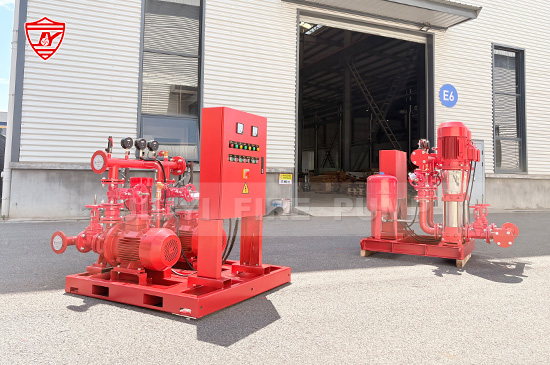
Corrosion is one of the most serious threats to fire pump reliability and performance. Because fire pumps play a critical role in protecting lives and property, maintaining their operational readiness is essential.
Without proper corrosion protection, fire pumps can suffer reduced efficiency, mechanical failure, leakage problems, and shortened service life. These issues not only increase maintenance costs but may also compromise fire safety during emergencies.
By using corrosion-resistant materials, protective coatings, regular inspections, and proper environmental control measures, facility owners can significantly improve the durability and reliability of their fire pump systems.
Investing in corrosion protection is not simply about extending equipment lifespan. It is about ensuring that fire pumps perform when they are needed most.