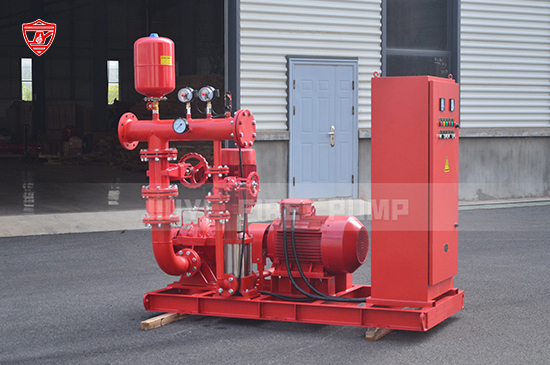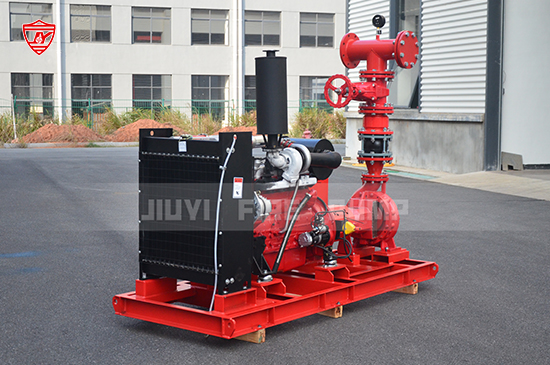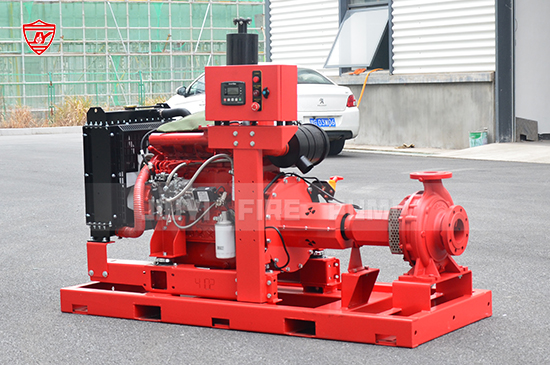
Fire pumps are one of the most critical components in any fire protection system. During a fire emergency, the entire sprinkler or hydrant system depends on the fire pump to provide sufficient water pressure and flow. If the pump fails, the consequences can be severe, including property loss, business interruption, equipment damage, and risks to human life.
Despite their importance, fire pumps are often overlooked until an emergency occurs. Many system failures happen not because the equipment is poorly designed, but because regular testing and maintenance were neglected. Fire pump testing is essential to verify that the system operates correctly under real emergency conditions.
Routine fire pump testing helps identify hidden mechanical issues, electrical problems, pressure abnormalities, and performance degradation before they become critical failures. It also ensures compliance with fire safety standards and improves the long-term reliability of the entire fire protection system.
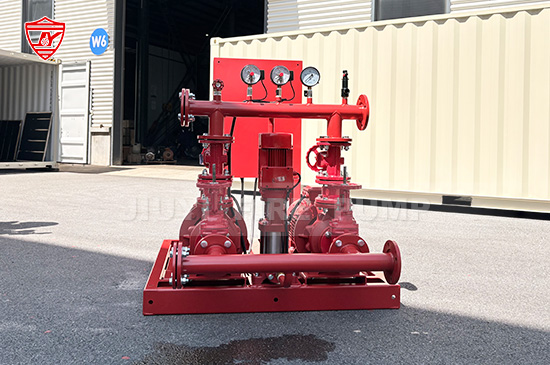
A fire pump is designed to increase water pressure within a fire protection system when the existing water supply cannot provide adequate pressure. Fire pumps are commonly used in high-rise buildings, industrial facilities, warehouses, airports, hospitals, shopping centers, and manufacturing plants.
There are several common types of fire pumps, including:
Each type of fire pump plays a vital role in delivering water quickly and efficiently during a fire emergency. However, even the highest-quality fire pump can fail if it is not properly tested and maintained.
Fire pump failures can occur for many reasons. In many cases, the system appears normal during daily operation because the pump rarely runs under full emergency conditions. Without regular testing, hidden problems may remain undetected for months or even years.
Some of the most common causes of fire pump failure include:
Over time, components such as bearings, seals, couplings, shafts, and impellers can wear out. Vibration, corrosion, and poor lubrication may accelerate equipment deterioration. If these issues are not discovered early, the pump may fail when it is needed most.
Electric fire pumps rely on motors, controllers, wiring, and power supplies. Faulty electrical connections, damaged cables, or controller malfunctions can prevent the pump from starting during an emergency.
Diesel engine fire pumps require fuel systems, batteries, cooling systems, and engine controls to function properly. Problems such as low battery voltage, fuel contamination, or coolant leaks can lead to startup failure.
Blocked pipes, damaged valves, suction issues, or worn impellers may reduce water flow and pressure. A pump that cannot meet the required performance level may not provide adequate fire protection.
One of the biggest causes of fire pump failure is inadequate maintenance. Systems that are not tested regularly may develop hidden issues that remain unnoticed until an actual fire occurs.
Regular fire pump testing is designed to detect problems early and confirm that the system performs as expected. Testing provides valuable information about the condition of the equipment and helps maintenance teams take corrective action before failure occurs.
Testing confirms that the fire pump starts automatically and operates correctly under simulated emergency conditions. This ensures that the pump can respond immediately when a fire occurs.
During testing, technicians verify:
If any abnormal readings appear during testing, corrective maintenance can be performed before the system experiences a real emergency.
Many mechanical problems are not visible during routine inspections. Testing helps reveal issues such as:
Detecting these problems early can prevent major equipment damage and reduce repair costs.
A fire pump that cannot start during an emergency becomes completely useless. Regular testing verifies that all startup systems function correctly.
For diesel fire pumps, testing checks battery condition, fuel supply, cooling systems, and engine operation. For electric fire pumps, testing confirms power supply stability and controller performance.
This process significantly reduces the risk of startup failure during a fire emergency.
The primary purpose of a fire pump is to maintain proper water pressure. Testing helps ensure the pump can deliver the required pressure and flow rate to support the fire protection system.
If pressure drops below the required level, technicians can investigate possible causes such as:
Without testing, these issues may remain hidden until the system fails during a fire.
Unexpected fire pump failure can interrupt facility operations and create serious safety risks. Routine testing allows maintenance teams to identify issues during planned inspections rather than during emergencies.
Preventive maintenance based on testing results reduces downtime, extends equipment life, and improves overall system reliability.
Several types of fire pump tests are commonly performed to evaluate system performance.
A churn test operates the fire pump without flowing water at full capacity. This test verifies startup operation and checks for abnormal vibration, overheating, or pressure fluctuations.
Weekly churn tests are especially important for diesel engine fire pumps because they help maintain engine readiness.
A flow test evaluates the pump under actual operating conditions by measuring water flow and pressure at different demand levels.
This test confirms that the pump meets its rated performance and can provide sufficient water during a fire emergency.
Annual testing involves a complete evaluation of the fire pump system, including controllers, valves, alarms, sensors, and pressure performance.
This comprehensive test helps ensure long-term reliability and compliance with fire safety standards.
The fire pump controller is responsible for starting and managing pump operation. Testing the controller ensures that automatic activation functions correctly during pressure loss conditions.
Fire pump testing is often guided by NFPA standards, particularly NFPA 20 and NFPA 25.
NFPA 20 focuses on the installation of stationary fire pumps for fire protection systems, while NFPA 25 addresses inspection, testing, and maintenance requirements for water-based fire protection systems.
Following these standards helps ensure:
Regular compliance testing also demonstrates that the facility takes fire protection seriously.
Fire pump testing frequently reveals warning signs that indicate developing problems.
Some common issues include:
Addressing these warning signs early helps prevent complete system failure.
Regular testing offers many long-term advantages for building owners, facility managers, and fire protection contractors.
The most important benefit is improved fire protection reliability. A properly tested fire pump is far more likely to perform correctly during an emergency.
Early problem detection helps avoid expensive emergency repairs and major equipment replacement.
Routine testing and maintenance reduce wear and improve the overall lifespan of fire pump systems.
Testing helps facilities comply with local fire codes, insurance requirements, and international safety standards.
Facility managers gain confidence knowing that their fire protection system is ready to operate when needed.
To maximize system reliability, facilities should follow several best practices.
Testing should follow a consistent schedule based on applicable fire safety standards and manufacturer recommendations.
Maintaining accurate testing records helps track system performance over time and identify recurring issues.
Fire pump testing should be performed by trained professionals with experience in fire protection systems.
Testing should include pumps, controllers, valves, piping, batteries, fuel systems, and alarms.
Any abnormal test results should be investigated and corrected as soon as possible.
While testing is essential, system reliability also depends on equipment quality. Choosing fire pumps manufactured to recognized standards helps reduce the risk of failure and improves long-term performance.
High-quality fire pumps are designed for durability, stable operation, and efficient performance under demanding conditions. Proper installation, testing, and maintenance together create a strong foundation for fire protection reliability.
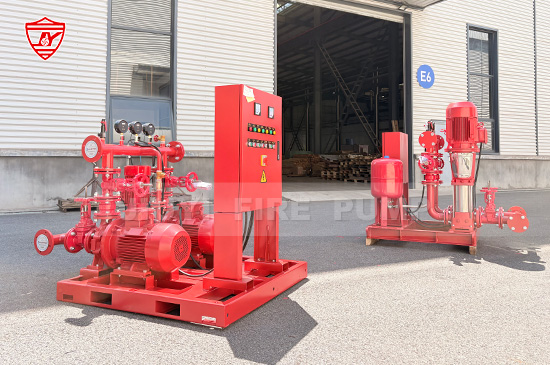
Fire pump testing is not simply a routine maintenance task. It is a critical process that protects lives, property, and business operations. Without regular testing, hidden mechanical, electrical, or operational problems may remain undetected until a fire emergency occurs.
Routine testing verifies that the fire pump can start automatically, maintain proper pressure, and deliver the required water flow when needed most. It also helps identify early warning signs, reduce repair costs, improve equipment lifespan, and ensure compliance with fire safety standards.