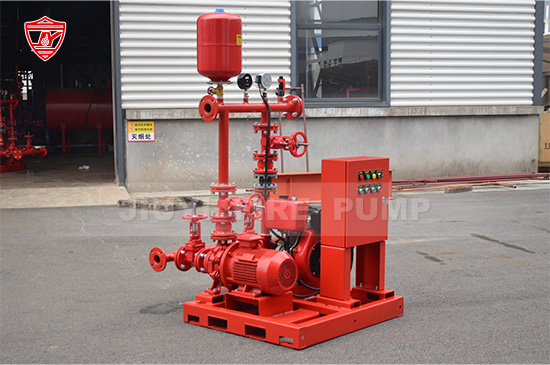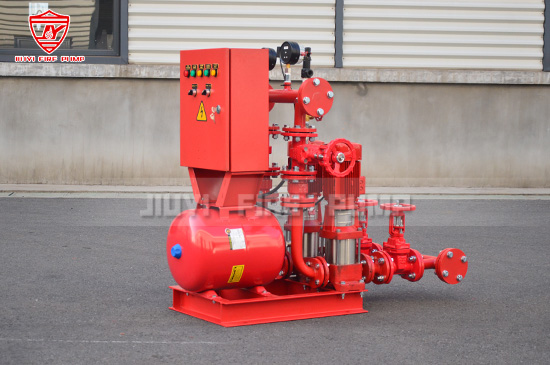
Fire pumps are one of the most critical components in a fire protection system. When a fire emergency occurs, the entire system depends on the fire pump to deliver adequate water pressure and flow to sprinkler systems, hydrants, standpipes, and other firefighting equipment. A fire pump that fails during an emergency can result in severe property damage, business interruption, or even loss of life.
Because of their vital role, fire pumps require regular inspection, maintenance, and testing. Among these requirements, weekly testing is one of the most important preventive measures recommended by fire safety standards and industry professionals. Weekly testing helps ensure that the fire pump will operate properly when needed and allows facility managers to detect problems before they become critical failures.
This article explains why fire pumps require weekly testing, what standards require it, how the testing process works, and the benefits of maintaining a consistent testing schedule.
Understanding the Role of Fire Pumps
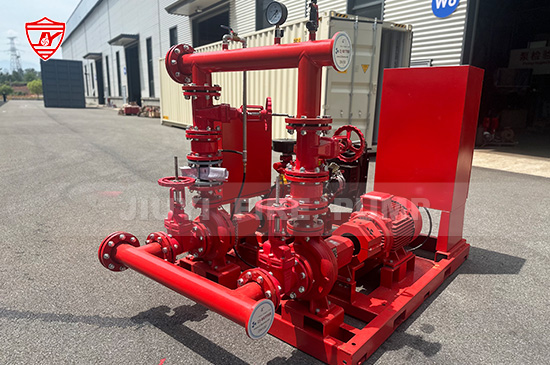
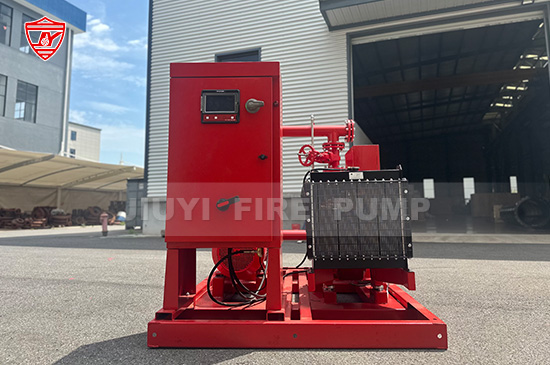
A fire pump is designed to increase water pressure in a fire protection system when the available water supply cannot provide sufficient pressure or flow. Fire pumps are commonly installed in high-rise buildings, industrial plants, warehouses, airports, hospitals, shopping centers, and other facilities where reliable fire suppression is essential.
Fire pumps are typically powered by electric motors or diesel engines. Their main purpose is to ensure that water reaches all areas of the building or facility during a fire emergency.
However, unlike many other mechanical systems, fire pumps may remain idle for long periods. A pump that sits unused for months can develop hidden mechanical or electrical problems. Without regular testing, these issues may remain unnoticed until an actual fire occurs.
This is why routine testing is necessary.
What Standards Require Weekly Fire Pump Testing?
The most widely recognized standard for fire pump inspection and testing is NFPA 25, the Standard for the Inspection, Testing, and Maintenance of Water-Based Fire Protection Systems.
According to NFPA 25 requirements:
- Diesel engine-driven fire pumps must typically undergo weekly no-flow testing.
- Electric motor-driven fire pumps are commonly tested monthly, although some facilities may choose more frequent testing based on local regulations or operational policies.
Weekly testing requirements mainly apply to diesel fire pumps because diesel engines contain more moving parts and fuel-related systems that require closer monitoring.
The purpose of these tests is not simply regulatory compliance. The main objective is to verify that the fire pump system is operational and capable of responding immediately during an emergency.
Early Detection of Mechanical Problems
One of the biggest reasons for weekly fire pump testing is early problem detection.
Fire pumps are complex systems that include:
- Pumps
- Drivers
- Controllers
- Batteries
- Fuel systems
- Cooling systems
- Valves
- Sensors
- Piping systems
Any failure within these components can affect the overall system performance.
Weekly testing allows operators to identify issues such as:
- Battery failure
- Fuel leaks
- Low oil pressure
- Cooling system malfunctions
- Excessive vibration
- Unusual noise
- Seal leakage
- Pressure abnormalities
- Controller alarms
If these problems are identified early, repairs can be completed before the pump becomes unreliable.
Without weekly testing, a facility may discover these issues only during an emergency, when it is too late.
Ensuring Emergency Readiness
Fire emergencies happen unexpectedly. A fire pump cannot request additional preparation time before operation. It must start immediately and operate continuously under demanding conditions.
Weekly testing confirms that the fire pump is ready at all times.
For diesel fire pumps, the engine startup process is especially important. During weekly testing, operators verify that:
- The engine starts automatically
- Batteries are fully charged
- Fuel supply is adequate
- Cooling systems function properly
- Engine speed is stable
- Pump pressure remains within acceptable limits
This routine verification helps ensure dependable emergency performance.
Many fire pump failures occur because the equipment remained inactive for extended periods. Regular testing keeps the system active and reduces the risk of startup failure.
Preventing Costly Downtime
Unexpected fire pump failure can lead to serious financial consequences.
For industrial facilities, manufacturing plants, logistics warehouses, and commercial buildings, downtime caused by fire protection system failure may result in:
- Business interruption
- Insurance issues
- Regulatory penalties
- Production shutdowns
- Safety violations
- Increased liability risks
Routine weekly testing significantly reduces these risks by identifying maintenance needs before they become major breakdowns.
Preventive maintenance is almost always less expensive than emergency repairs. Replacing a weak battery during scheduled maintenance is far less costly than repairing extensive fire damage caused by pump failure during an emergency.
Verifying Controller Performance
The fire pump controller is the “brain” of the fire pump system. It monitors pressure conditions and automatically starts the pump when pressure drops.
Controller failure is one of the most common fire pump problems.
Weekly testing helps verify that the controller:
- Responds correctly to pressure changes
- Starts the pump automatically
- Displays accurate readings
- Communicates alarm conditions
- Operates without electrical faults
For diesel fire pump systems, weekly testing also confirms that automatic transfer functions and backup starting systems work correctly.
A properly functioning controller is essential for system reliability.
Maintaining Diesel Engine Reliability
Diesel-driven fire pumps require more frequent testing than electric pumps because diesel engines are mechanical combustion systems that can deteriorate even when not in use.
Common diesel engine issues include:
- Fuel contamination
- Battery discharge
- Lubrication problems
- Cooling system blockage
- Fuel injector malfunction
- Air intake restriction
Weekly operation helps circulate lubricants, maintain battery condition, and ensure that fuel systems remain functional.
Running the diesel engine regularly also prevents components from seizing due to inactivity.
In many facilities, diesel fire pumps serve as backup systems during power outages. Since fires can occur during electrical failures, diesel pump reliability is extremely important.
Confirming Water Supply Availability
Weekly testing also verifies the availability of water supply.
During testing, operators can identify issues such as:
- Closed valves
- Blocked suction lines
- Pressure fluctuations
- Water supply interruptions
- Air leaks in suction piping
A fire pump cannot function properly without adequate water supply. Even a fully operational pump becomes ineffective if the water source is compromised.
Routine testing helps confirm that both the pump and the water supply system are ready for operation.
Supporting Insurance and Regulatory Compliance
Insurance companies, fire authorities, and safety inspectors often require documented fire pump testing records.
Failure to perform required testing may result in:
- Insurance claim disputes
- Compliance violations
- Fines or penalties
- Increased insurance premiums
- Failed inspections
Weekly testing records demonstrate that the facility is actively maintaining its fire protection system.
Proper documentation usually includes:
- Test date and time
- Pump pressures
- Engine readings
- Battery voltage
- Observed abnormalities
- Operator information
Maintaining accurate records helps facilities prove compliance with NFPA standards and local fire codes.
Reducing Long-Term Maintenance Costs
Routine testing contributes to longer equipment life and lower maintenance expenses.
Fire pumps represent a major investment for building owners and facility operators. Replacing a fire pump system can be expensive and disruptive.
Weekly testing helps extend system lifespan by ensuring that:
- Moving parts remain lubricated
- Corrosion is detected early
- Components remain operational
- Small issues are repaired promptly
- Performance remains stable
Consistent maintenance reduces wear and minimizes the likelihood of catastrophic failure.
Over time, facilities that maintain disciplined testing programs often experience fewer unexpected repairs and lower overall maintenance costs.
Improving Safety for Occupants and Firefighters
The ultimate purpose of weekly fire pump testing is safety.
A properly functioning fire pump protects:
- Building occupants
- Employees
- Emergency responders
- Property
- Critical operations
Firefighters rely heavily on fire protection systems during emergencies. If the fire pump fails, sprinkler systems and standpipes may not provide sufficient water pressure to control the fire.
Weekly testing helps ensure that firefighters receive the water support they need to manage dangerous situations safely.
Reliable fire protection systems can significantly reduce fire spread, smoke damage, and evacuation risks.
Common Procedures During Weekly Fire Pump Testing
Although testing procedures may vary depending on system type and local regulations, weekly fire pump testing commonly includes:
Visual Inspection
Operators inspect the pump room for:
- Leaks
- Abnormal vibration
- Unusual noises
- Fuel or oil leakage
- Proper valve position
- Cleanliness and ventilation
Engine Startup
The fire pump is started automatically or manually to verify proper operation.
Recording Pressure Readings
Operators record:
- Suction pressure
- Discharge pressure
- System pressure
These readings help confirm stable pump performance.
Monitoring Engine Conditions
For diesel fire pumps, operators check:
- Oil pressure
- Coolant temperature
- Fuel levels
- Battery condition
- Engine RPM
Controller Inspection
Controllers are inspected for alarms, warning indicators, and proper operation.
Test Duration
Weekly churn testing for diesel pumps commonly lasts at least 30 minutes, depending on applicable standards and local requirements.
Common Problems Found During Weekly Testing
Regular testing frequently identifies issues such as:
- Dead batteries
- Fuel contamination
- Pressure switch failure
- Cooling system leaks
- Pump seal leakage
- Controller malfunctions
- Air trapped in suction piping
- Corroded terminals
- Valve misalignment
Finding these issues early prevents unexpected failure during emergencies.
Best Practices for Weekly Fire Pump Testing
To maximize reliability and compliance, facilities should follow several best practices:
Follow NFPA Standards
Always perform testing according to NFPA 25 and local fire regulations.
Use Trained Personnel
Testing should be conducted by qualified personnel familiar with fire pump systems.
Maintain Accurate Records
Detailed testing logs help track equipment condition over time.
Address Problems Immediately
Any abnormal findings should be investigated and repaired without delay.
Schedule Preventive Maintenance
Testing should be part of a complete preventive maintenance program.
Conclusion
Weekly fire pump testing is essential for ensuring fire protection system reliability, safety, and compliance. Fire pumps are critical emergency systems that must perform immediately under dangerous conditions. Even minor mechanical, electrical, or operational problems can lead to serious consequences during a fire emergency.
Routine weekly testing helps detect hidden issues early, maintain diesel engine reliability, verify controller operation, confirm water supply readiness, and reduce long-term maintenance costs. It also supports regulatory compliance and provides confidence that the fire protection system will operate properly when needed most.
For facility owners, contractors, engineers, and fire protection professionals, consistent fire pump testing is not simply a maintenance task. It is a critical investment in safety, operational continuity, and life protection.