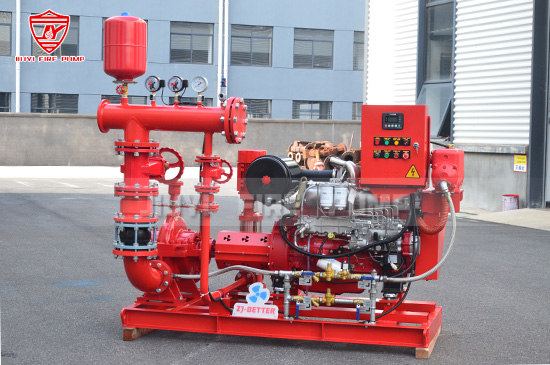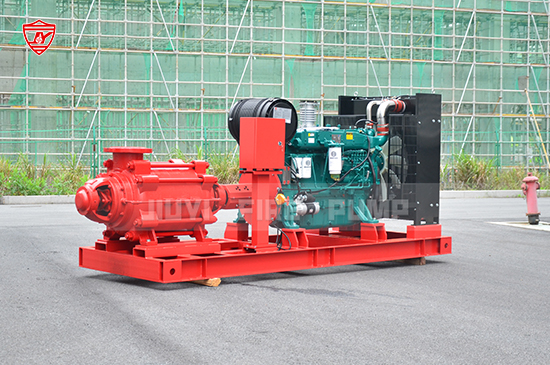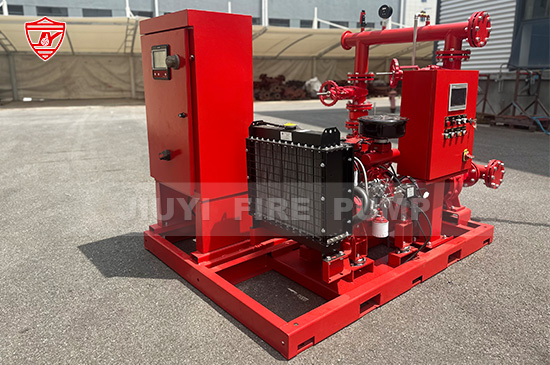
A fire pump test verifies flow, pressure, and equipment performance. Learn fire pump testing procedures, acceptance tests, annual testing, and key results.
.jpg)
A fire pump test is a systematic procedure used to verify that a fire pump and its associated equipment can deliver the required water flow and pressure when needed. Fire pumps are critical components of many fire protection systems, particularly where the available water supply cannot provide sufficient pressure or flow for the sprinkler, hydrant, standpipe, or other fire protection equipment.
Unlike a simple equipment inspection, a fire pump test evaluates actual hydraulic performance. During testing, technicians measure parameters such as suction pressure, discharge pressure, flow rate, pump speed, and, where applicable, electrical or diesel engine operating conditions.
The purpose of fire pump testing is to identify whether the pump is operating as designed and whether its performance remains consistent with the requirements of the fire protection system.
For a fire pump manufacturer, testing is also an essential part of quality control before equipment leaves the factory. For building owners, contractors, and fire protection professionals, field testing provides important information about the condition and operational readiness of installed equipment.
A fire pump may remain unused for long periods, but it must operate immediately during a fire emergency. This makes regular testing particularly important.
A pump can experience performance changes for many reasons. Wear, corrosion, blocked suction lines, damaged impellers, mechanical problems, electrical issues, fuel-system problems, incorrect valve positions, and changes in the water supply can all affect performance.
A fire pump test provides measurable data rather than relying only on visual inspection.
For example, a pump may start normally but fail to produce the expected discharge pressure at its required flow rate. Without a performance test, this problem may remain unnoticed until an emergency occurs.
Testing can help fire safety professionals:
Verify pump flow and pressure performance
Confirm that the pump can meet the system demand
Identify deterioration in pump performance
Check the operation of electric or diesel drivers
Verify automatic starting functions
Detect mechanical or hydraulic problems
Establish a performance baseline for future comparison
Support maintenance and troubleshooting decisions
Document the condition of the fire pump system
Regular testing therefore forms an important part of fire protection system maintenance and reliability.
The exact parameters depend on the type of pump and the applicable testing requirements, but a typical fire pump performance test focuses on flow and pressure.
Suction pressure is the pressure available at the pump inlet during operation. It provides information about the water supply entering the pump.
A significant change in suction pressure can affect the pump's ability to achieve the required discharge performance. Technicians should therefore record suction pressure during the test rather than evaluating discharge pressure alone.
Discharge pressure is measured at the pump outlet. It indicates the pressure generated by the pump under a specific operating condition.
Discharge pressure is normally evaluated together with flow rate because pressure alone does not provide a complete picture of pump performance.
Flow rate represents the volume of water delivered by the pump over a given period. It is one of the most important measurements in a fire pump performance test.
Testing at different flow conditions allows technicians to understand how the pump performs across its operating range.
Pump speed can affect hydraulic performance. An electric motor-driven pump should operate at its intended speed, while a diesel engine-driven pump must maintain the required operating speed under load.
Recording speed during testing helps explain performance differences and can assist with troubleshooting.
For electric fire pumps, testing may include observations of motor current, voltage, controller operation, and starting performance.
For diesel engine fire pumps, technicians may monitor engine speed, oil pressure, coolant temperature, battery condition, fuel supply, and other operating parameters as required.
A fire pump performance test evaluates how the pump performs at different flow conditions.
A typical test may include a no-flow or churn condition, followed by one or more flow conditions. The measured pressure and flow are compared with the expected performance of the pump.
The relationship between flow and pressure is particularly important. As flow increases, pump discharge pressure generally decreases. The resulting measurements can be compared with the pump's approved or specified performance curve.
For example, a pump may have a rated capacity of 1,000 GPM. During testing, technicians may record the pressure at no flow, at rated flow, and at a higher flow condition. The resulting data provide a practical picture of the pump's hydraulic performance.
The exact test points and acceptance criteria depend on the applicable standard, certification, project specification, and authority having jurisdiction.
A fire pump acceptance test is conducted when a new fire pump installation is completed and is ready to be placed into service.
The objective is to verify that the installed equipment performs as required and that the completed installation is consistent with the approved design.
An acceptance test can involve the pump, driver, controller, suction supply, discharge piping, valves, sensing equipment, and other components associated with the fire pump installation.
The test is particularly important because factory testing and field acceptance testing serve different purposes.
A manufacturer can verify pump performance under controlled factory conditions. However, the field installation introduces additional variables, including piping configuration, water supply conditions, valves, fittings, electrical connections, fuel systems, and installation quality.
A successful factory test therefore does not replace the need for appropriate field testing.
An annual fire pump test is a periodic performance test intended to verify the continued operational condition of an installed fire pump.
Over time, operating conditions can change. Water supply characteristics may vary, components may wear, and maintenance or modifications to the building's fire protection system may influence pump performance.
Periodic testing provides an opportunity to compare current results with previous test records.
A useful test history can reveal gradual performance changes that may not be obvious during routine visual inspections. If pressure or flow measurements show a significant change from previous results, further investigation may be necessary.
The exact frequency and procedure should follow the requirements applicable to the installation and the standards adopted by the relevant authority.
The detailed procedure varies according to the equipment and applicable requirements, but a typical fire pump test follows several stages.
Before starting the test, technicians inspect the pump, driver, controller, valves, gauges, piping, and surrounding equipment.
The pump room should be suitable for safe testing, and the system should be prepared according to the applicable testing procedure.
The available water supply is an important part of pump performance. Technicians should verify the condition of the suction side and ensure that the appropriate valves are in their required operating positions.
The pump is started using the appropriate operating or automatic starting method.
For an electric fire pump, the electrical supply and controller operation are observed.
For a diesel fire pump, engine starting, speed, fuel supply, batteries, cooling, exhaust, and other relevant operating conditions should be checked.
The pump is operated under a no-flow or churn condition where required. Suction pressure and discharge pressure are recorded along with other relevant operating parameters.
This provides a useful reference point before applying flow.
Water is discharged through the designated test arrangement to create different flow conditions.
At each test point, technicians record flow rate, suction pressure, discharge pressure, and other applicable measurements.
The measured results are compared with the pump's expected performance and the applicable acceptance criteria.
This comparison is important because a pump should not be evaluated based on a single pressure reading.
The final test report should document the equipment tested, test conditions, measurements, observations, and any issues identified.
Accurate records make future testing more useful because performance can be compared over time.
Factory testing and field testing have different purposes.
A factory test is performed by the manufacturer under controlled conditions. It can be used to verify hydraulic performance, mechanical operation, driver performance, and other product characteristics before shipment.
A field test is conducted after installation. It evaluates the complete installed system under actual site conditions.
The field environment can introduce factors that do not exist during factory testing. These may include different water supply conditions, suction piping arrangements, discharge piping, electrical systems, fuel systems, installation tolerances, and system demand.
For this reason, both types of testing provide valuable information.
For manufacturers, comprehensive factory testing helps ensure product quality before delivery. For contractors, commissioning teams, and building owners, field testing confirms that the complete installation performs as required.
Although the basic objective is similar, electric and diesel fire pumps have different testing considerations.
Electric fire pump testing should consider motor operation, electrical supply, controller functions, starting performance, operating current, and voltage where applicable.
Diesel fire pump testing requires additional attention to the engine. Important observations may include engine speed, oil pressure, coolant temperature, battery condition, fuel supply, exhaust operation, and alarms.
The pump itself also needs to be evaluated hydraulically. A reliable fire pump system depends on the combined performance of the pump, driver, controller, and associated equipment.
A fire pump test report should provide enough information to understand the test conditions and results.
Depending on the project and applicable requirements, a report may include:
Pump manufacturer and model
Pump rated capacity
Rated pressure
Driver type
Motor or engine information
Test date
Suction pressure
Discharge pressure
Flow rate
Pump speed
Driver operating information
Controller observations
Test equipment information
Site conditions
Performance results
Maintenance or corrective actions
Technician or responsible personnel information
Consistent documentation is particularly useful when a fire pump is tested repeatedly over several years.
A poor test result does not necessarily mean that the pump itself is defective.
Several factors can influence performance. These include insufficient water supply, blocked suction piping, incorrect valve positions, air entering the suction system, damaged components, impeller wear, incorrect pump speed, driver problems, electrical issues, or problems with the test equipment.
For this reason, troubleshooting should consider the entire system rather than immediately replacing the pump.
Comparing current test data with previous results can also help identify whether the problem is sudden or has developed gradually.
Reliable fire pump testing starts before the pump reaches the job site.
A manufacturer should have appropriate testing equipment and procedures for verifying hydraulic and mechanical performance. Testing facilities should be capable of measuring the required flow and pressure range accurately.
For certified fire pump products, the manufacturer's testing and quality-control processes are particularly important. Pump models intended for demanding fire protection applications should be evaluated against the applicable certification and project requirements.
At the manufacturing stage, controlled testing can help identify performance problems before shipment. This reduces the risk of transferring manufacturing or assembly problems to the installation site.
For customers, working with a manufacturer that has established testing capabilities can provide greater technical transparency and useful performance documentation.
.jpg)
A fire pump test is more than a routine measurement of pressure. It is a practical way to verify whether a fire pump and its associated equipment can provide the required hydraulic performance when the fire protection system needs it.
By measuring flow, pressure, speed, and relevant driver parameters, fire safety professionals can identify performance changes, support preventive maintenance, and maintain useful records of system condition.
Factory testing helps manufacturers verify product performance before shipment, while field acceptance and periodic testing help confirm the performance of the installed system.
For fire pump manufacturers, contractors, engineers, facility owners, and fire protection professionals, understanding the purpose and process of fire pump testing is an important part of maintaining dependable fire protection systems.