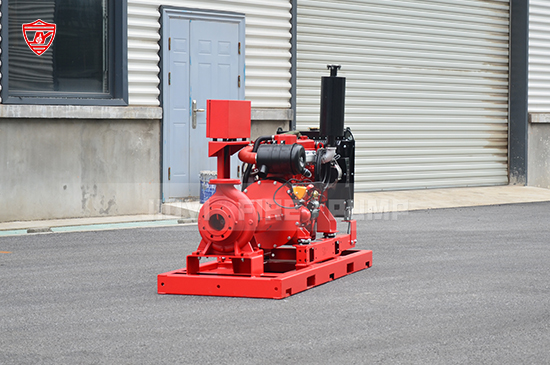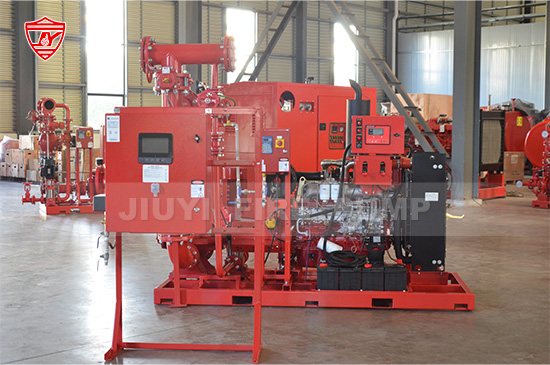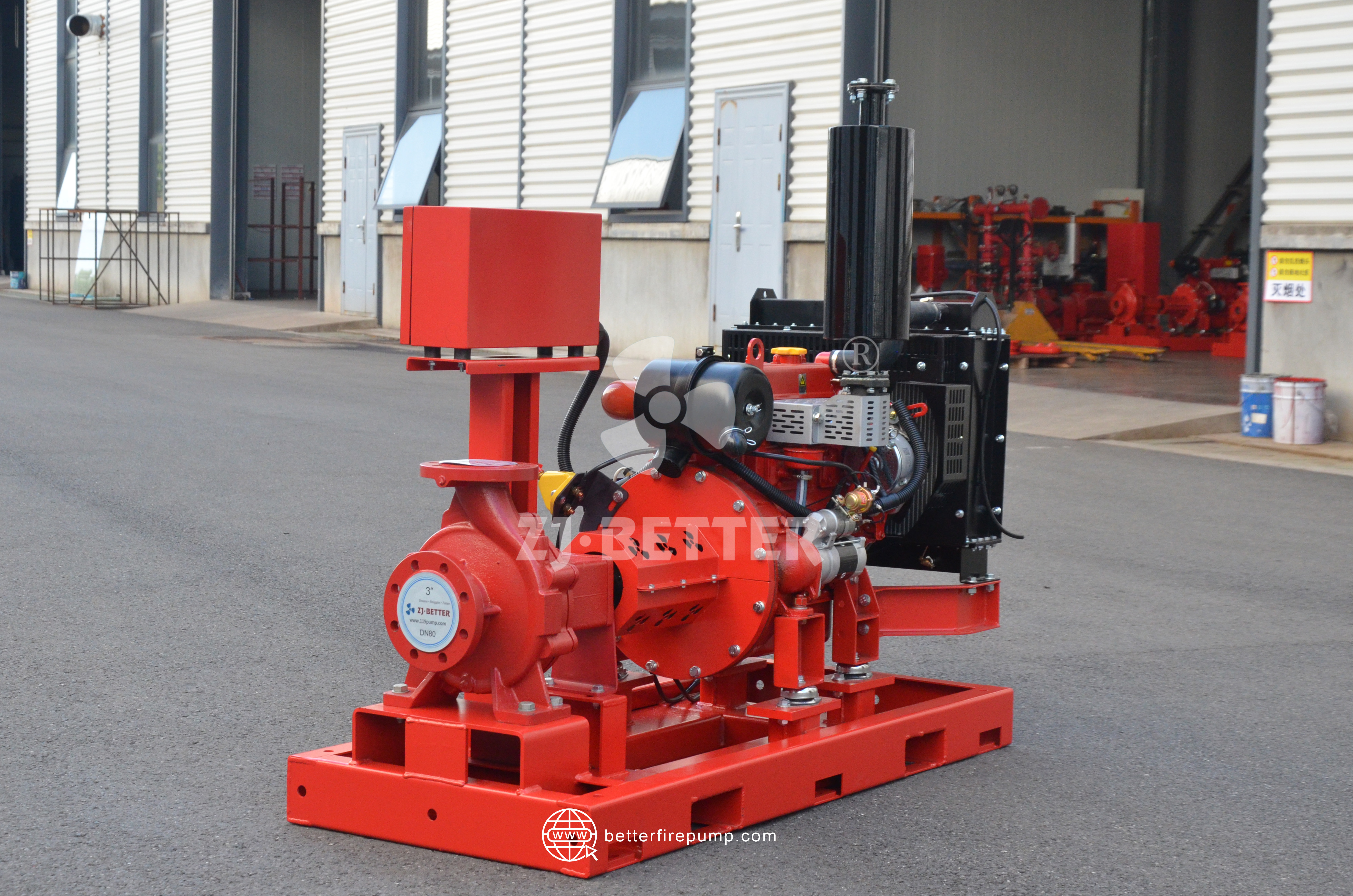
A fire fighting pump is a critical component of a fire protection system, designed to provide the water flow and pressure required to control or extinguish a fire. Unlike ordinary water pumps, fire pumps are specifically designed for fire protection applications where reliable water delivery can be essential during an emergency.
Fire fighting pumps are commonly used in commercial buildings, industrial facilities, warehouses, factories, high-rise buildings, residential developments, infrastructure projects, and other facilities that require dedicated fire protection systems.
Understanding what a fire fighting pump is, how it works, the different types available, and how to select the appropriate pump can help engineers, contractors, system integrators, and facility owners develop a reliable fire protection solution.
.jpg)
A fire fighting pump, also commonly called a fire pump or fire protection pump, is a mechanical device used to supply water to a fire protection system at the required pressure and flow rate.
When a fire protection system detects a fire or when a sprinkler or hydrant system is activated, the fire pump helps provide the hydraulic performance necessary to deliver water through the system. The pump draws water from a dedicated water source, such as a storage tank, reservoir, or other approved water supply, and increases the pressure so that water can reach the required firefighting equipment.
A complete fire pump installation may include the pump, driver, controller, suction and discharge piping, valves, pressure-maintenance equipment, monitoring devices, and other accessories.
The fire pump itself is only one part of the overall fire protection system. Its performance must be coordinated with the water supply, piping network, sprinklers, hydrants, hose systems, and other firefighting equipment.
The basic operating principle of a fire fighting pump is relatively straightforward. The pump converts mechanical energy from its driver into hydraulic energy, increasing the pressure of the water and moving it through the fire protection system.
Under normal conditions, a fire protection system may already be pressurized. A jockey pump is often used to maintain system pressure and compensate for small pressure losses without starting the main fire pump.
When the system pressure drops beyond a predetermined level, the main fire pump is activated. Depending on the system design, the main pump may be driven by an electric motor or a diesel engine.
The pump then supplies the required flow and pressure to the fire protection network. Water can be delivered to sprinkler systems, fire hydrants, hose stations, deluge systems, standpipes, or other firefighting equipment.
In a properly designed system, the pump must be capable of meeting the required hydraulic demand at the specified operating point.
A reliable water supply is fundamental to many water-based fire protection systems. However, the available water supply does not always provide sufficient pressure or flow for the entire fire protection network.
For example, a building may have a water tank with sufficient volume but insufficient pressure to deliver water to upper floors. An industrial facility may require a high flow rate for hydrants and sprinklers. A large warehouse may have significant hydraulic demand across an extensive sprinkler network.
A fire pump addresses this requirement by increasing water pressure and maintaining the flow needed by the fire protection system.
The pump must be selected according to the actual requirements of the project rather than simply choosing a pump with the highest possible capacity. Oversizing or undersizing can affect system performance, equipment selection, energy consumption, and overall project cost.
Different projects require different fire pump configurations. The appropriate pump type depends on factors such as required flow, pressure, water source, installation conditions, building design, and applicable fire protection requirements.
An electric fire pump is driven by an electric motor. It is commonly used where a reliable electrical power supply is available.
Electric fire pumps can provide consistent performance and are available in a wide range of capacities. They are frequently used in commercial buildings, industrial facilities, warehouses, and other fixed fire protection installations.
The motor, controller, electrical supply, and protection system must be properly matched to the fire pump and project requirements.
A diesel fire pump is driven by a diesel engine and is often used where an independent or alternative power source is required.
Diesel-driven fire pumps can be particularly useful for facilities where electrical power reliability is a concern. They are also frequently incorporated into fire pump systems alongside electric pumps to provide an additional source of driving power.
A diesel fire pump system typically includes the diesel engine, batteries, fuel system, controller, cooling system, exhaust system, and associated monitoring equipment.
A jockey pump is a small pressure-maintenance pump used to maintain the pressure of a fire protection system during normal conditions.
Small pressure losses can occur because of temperature changes, minor leakage, or maintenance activities. The jockey pump can compensate for these relatively small losses without requiring the main fire pump to start.
The jockey pump is therefore an important part of many fire pump systems, but it is not intended to provide the primary firefighting flow during a fire event.
Vertical turbine fire pumps are designed for applications where the water source is located below the pump discharge level or where a specific vertical configuration is required.
They are commonly considered for deep water sources, reservoirs, tanks, and other applications where horizontal pump arrangements may not be suitable.
Vertical turbine pumps can provide high flow and pressure performance while accommodating specific site conditions.
An end suction fire pump has the suction inlet at one end of the pump and is often used for applications with relatively straightforward installation requirements.
End suction configurations can be suitable for certain commercial and industrial fire protection systems, depending on the required flow, pressure, water supply, and applicable standards.
Split case fire pumps are widely used in larger fire protection applications where high flow rates and robust construction are required.
The split-case design allows convenient access to internal components for inspection and maintenance. These pumps are commonly found in industrial plants, warehouses, commercial facilities, and large fire protection installations.
A fire fighting pump set is a complete equipment package designed to provide the pumping capacity required by a fire protection system.
A typical pump set may include a main electric fire pump, a diesel fire pump, and a jockey pump. This arrangement is commonly known as a DJ or EDJ fire pump set depending on the equipment configuration.
For example, an electric pump can serve as the primary driver, while a diesel-driven pump can provide an alternative driving arrangement. The jockey pump maintains system pressure during normal conditions.
A complete packaged system may also include controllers, valves, pressure gauges, base frames, piping components, and other accessories.
The exact configuration should be determined according to the hydraulic requirements, project specifications, applicable standards, and local authority requirements.
Although configurations vary between projects, a typical fire pump system can include several important components.
The main fire pump provides the required water flow and pressure. The driver supplies the mechanical power needed to operate the pump. This may be an electric motor or diesel engine.
A fire pump controller manages the starting and operating functions of the pump driver. For diesel systems, the controller also works with the engine starting and monitoring system.
The jockey pump maintains system pressure under normal conditions.
Suction and discharge piping connect the pump to the water source and fire protection network. Valves control and isolate different parts of the system, while pressure gauges and monitoring devices provide operating information.
Other components may include test headers, flow meters, pressure relief arrangements, cooling systems, fuel tanks, batteries, exhaust systems, and other equipment depending on the pump configuration.
Selecting a fire fighting pump requires more than looking at the pump's maximum flow rate. The pump should be selected based on the hydraulic requirements of the complete fire protection system.
The first consideration is usually the required flow rate. The system designer needs to determine how much water is required by the applicable sprinklers, hydrants, hose systems, or other firefighting equipment.
The required pressure is another key factor. The pump must generate sufficient pressure to overcome elevation differences, friction losses, equipment losses, and the pressure requirements of the firefighting devices.
The water source must also be evaluated. The available water supply affects the pump arrangement, suction conditions, and overall system design.
The type of pump should then be selected based on project requirements. Depending on the application, options may include end suction, horizontal split case, vertical turbine, electric, or diesel-driven configurations.
Environmental conditions should also be considered. Temperature, altitude, installation location, available electrical power, ventilation, fuel storage, and accessibility can all affect equipment selection.
Finally, the pump should be evaluated against the applicable fire protection standards and project specifications.
Two of the most important parameters when evaluating a fire pump are flow and pressure.
Flow refers to the volume of water the pump delivers over a specific period, commonly expressed in gallons per minute or cubic meters per hour.
Pressure represents the force available to move the water through the fire protection system. Depending on the market and project, pressure may be expressed in psi, bar, meters of water column, or other units.
Fire pumps are not normally evaluated based on a single pressure or flow value. Their performance is represented by a pump curve showing the relationship between flow and pressure.
The selected pump should meet the required duty point while also satisfying the applicable performance requirements of the project.
A fire fighting pump may look similar to an ordinary industrial water pump, but the application requirements are significantly different.
An ordinary water pump may be designed for continuous water transfer, circulation, irrigation, process water, or domestic water supply. A fire pump is specifically intended for emergency fire protection service.
Fire protection applications place particular importance on reliability, starting performance, hydraulic characteristics, system integration, testing, and applicable certification or approval requirements.
For this reason, a general-purpose water pump should not automatically be substituted for a fire protection pump simply because its flow and pressure specifications appear similar.
Testing is an important part of fire pump quality control and system verification.
For manufacturers, factory testing can be used to verify hydraulic performance and confirm that the pump operates according to its specified characteristics.
Depending on the product and applicable requirements, testing may include measuring flow, pressure, speed, power, vibration, and other operating parameters.
For complete fire pump systems, testing may also involve the pump driver, controller, monitoring devices, and other components.
Regular field testing and maintenance are equally important after installation. A fire pump may remain inactive for long periods, but it must be capable of operating when an emergency occurs.
Choosing a fire pump manufacturer involves more than comparing product prices.
Manufacturing capability is an important consideration because pump quality depends on hydraulic design, material selection, machining accuracy, assembly, testing, and quality control.
Experience in fire protection applications can also be valuable. A manufacturer should understand the requirements of different fire pump configurations and the needs of engineers, contractors, distributors, and system integrators.
Testing capability is another important factor. A manufacturer with appropriate pump testing equipment can verify hydraulic performance across different operating conditions.
Certification and approval requirements should also be considered according to the target market and project specification. Depending on the application, customers may require products with specific certifications or approvals.
Technical support, customization capability, spare parts availability, documentation, and after-sales service can also influence the long-term performance of a fire pump system.
.jpg)
A fire fighting pump is a key component of many water-based fire protection systems. Its primary function is to provide the water flow and pressure required by sprinklers, hydrants, hose systems, and other firefighting equipment when the available water supply is insufficient.
Fire fighting pumps are available in different configurations, including electric fire pumps, diesel fire pumps, jockey pumps, end suction pumps, split case pumps, and vertical turbine pumps. Each type is designed for different project requirements.
Selecting the right fire pump requires careful consideration of flow, pressure, water supply, pump type, driver, installation conditions, applicable standards, and project specifications.
For fire pump manufacturers, reliable hydraulic design, precise manufacturing, comprehensive testing, and strict quality control are essential to producing equipment suitable for demanding fire protection applications.
For engineers, contractors, and fire protection professionals, understanding the basic principles of fire fighting pumps is an important step toward designing, selecting, installing, and maintaining a dependable fire protection system.