Selecting the right fire pump is one of the most important decisions when designing a reliable fire protection system. Whether the project involves a commercial building, industrial facility, warehouse, hospital, data center, or municipal infrastructure, the performance of the fire pump directly impacts the effectiveness of the entire fire suppression system.
Choosing the wrong fire pump can lead to insufficient water pressure, higher operating costs, increased maintenance requirements, and even non-compliance with fire protection standards. On the other hand, a properly selected fire pump ensures dependable performance, long service life, and enhanced safety for people and property.
This guide explains the key factors you should consider when selecting the best fire pump for your application, helping engineers, contractors, consultants, and project owners make informed decisions.
.jpg)
A fire pump is a critical component of a fire protection system designed to increase water pressure when the available water supply cannot provide sufficient flow or pressure for fire suppression equipment such as sprinklers, standpipes, hydrants, or water spray systems.
Fire pumps are typically powered by electric motors or diesel engines and operate automatically when the system detects a pressure drop caused by water demand during a fire emergency.
Fire pumps are widely used in:
Selecting the appropriate fire pump is not simply about choosing the largest capacity available. Every fire protection system has unique hydraulic requirements.
An oversized pump may create excessive pressure, increase energy consumption, and require additional pressure relief equipment. Conversely, an undersized pump may fail to provide the necessary water flow during an emergency.
Proper fire pump selection provides several benefits:
Flow rate is the first parameter to establish when selecting a fire pump.
The required flow depends on the fire protection system design and is usually determined during hydraulic calculations.
Flow is typically expressed in:
Different facilities require different flow capacities. For example:
Small commercial buildings may require relatively modest flow rates, while manufacturing plants, chemical facilities, and logistics warehouses often require significantly higher capacities due to larger fire hazards and more extensive sprinkler systems.
Hydraulic calculations should always be completed before selecting the pump.
Pressure is equally important.
The fire pump must deliver enough pressure to overcome:
The total pressure requirement is commonly referred to as Total Dynamic Head (TDH).
Accurate TDH calculations ensure the selected fire pump can maintain sufficient pressure throughout the entire fire protection system during operation.
Before selecting a fire pump, evaluate the available water source.
Common water supplies include:
Many commercial buildings receive water from city mains. However, municipal pressure may fluctuate throughout the day or become insufficient during emergencies.
Industrial facilities frequently use dedicated fire water tanks to ensure a stable water supply.
Vertical turbine fire pumps are commonly selected when water must be drawn from natural sources.
Understanding the available water supply helps determine pump type, suction conditions, and installation requirements.
Several fire pump designs are available, each suited for specific applications.
Split case pumps are among the most popular choices for commercial and industrial fire protection.
Advantages include:
Typical applications include:
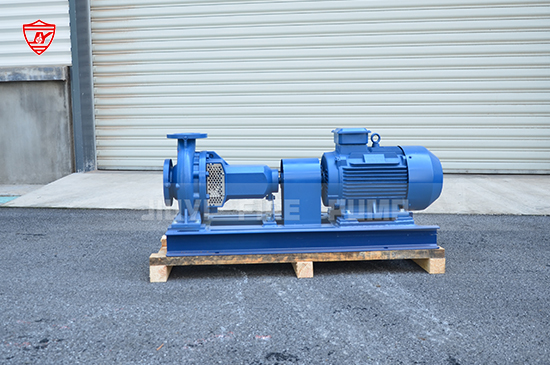
End suction pumps feature a compact design and economical installation.
They are suitable for:
Vertical inline pumps require less floor space and are often selected where mechanical room space is limited.
Common applications include:
These pumps are designed for situations where the water source is below ground level.
Typical applications include:
They are commonly used in:
Fire pumps are generally driven by electric motors or diesel engines.
Electric-driven fire pumps are suitable when reliable electrical power is available.
Advantages include:
They are ideal for urban commercial buildings and facilities with dependable utility power.
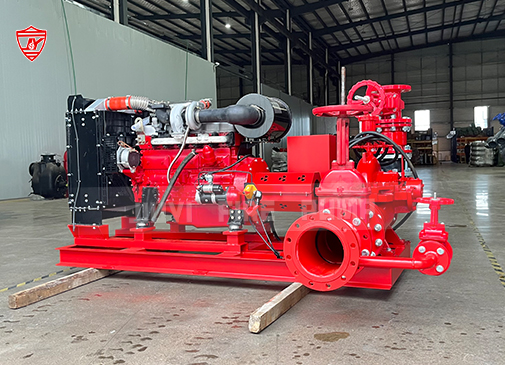
Diesel engine fire pumps provide independent operation during power failures.
Advantages include:
Diesel fire pumps are commonly used in:
In many projects, both electric and diesel fire pumps are installed to provide redundant protection.
Compliance with recognized fire protection standards is essential.
NFPA 20 establishes requirements for:
Depending on the project location, additional standards or local regulations may also apply.
For projects requiring international certifications, many consultants specify UL Listed or FM Approved fire pumps to ensure quality, safety, and regulatory compliance.
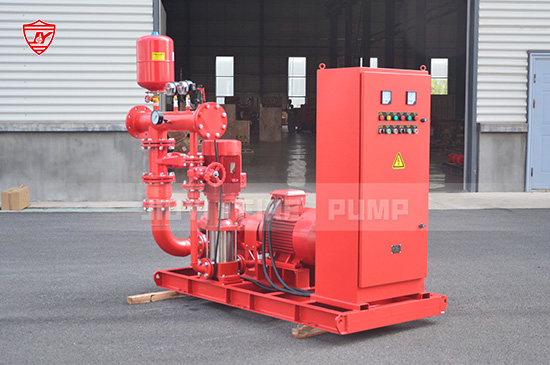
The controller serves as the operational brain of the fire pump system.
A quality fire pump controller provides:
Controllers should always be compatible with the selected driver and comply with applicable standards.
Installation conditions significantly influence pump selection.
Factors to consider include:
Mechanical room dimensions may limit pump size and orientation.
Environmental conditions affect equipment performance, especially diesel engines.
Diesel pump rooms require proper ventilation for combustion and cooling.
Adequate clearance should be provided for inspection, maintenance, and future servicing.
Considering these factors during the design stage can reduce installation challenges and maintenance costs later.
A fire pump is emergency equipment that may remain idle for long periods, making regular maintenance essential.
Routine maintenance typically includes:
Selecting a pump with a simple, service-friendly design can significantly reduce long-term maintenance costs.
The manufacturer plays a vital role in the success of your fire protection project.
A reputable manufacturer should provide:
Experienced manufacturers can also recommend the most suitable configuration based on project specifications, helping avoid costly design mistakes.
Many fire pump selection issues arise from overlooking fundamental design considerations.
Some common mistakes include:
The lowest-priced option may not provide the reliability or performance required for life safety applications.
Facilities often expand over time. Selecting a fire pump with reasonable capacity for future growth can prevent costly upgrades.
Inaccurate flow or pressure calculations may result in underperforming systems or excessive operating pressure.
Water availability, suction conditions, and seasonal variations should always be evaluated.
Equipment that is difficult to inspect or service may increase downtime and long-term operating costs.
Before making your final decision, confirm the following:
Completing this checklist helps ensure the selected fire pump will perform reliably throughout its service life.
.jpg)
Selecting the best fire pump for your application requires careful evaluation of hydraulic requirements, water supply conditions, pump type, driver options, installation environment, and applicable fire protection standards. A well-designed fire pump system not only protects lives and valuable assets but also improves operational reliability and minimizes long-term maintenance costs.
Every project has unique requirements, and there is no one-size-fits-all solution. By understanding flow and pressure demands, choosing the appropriate pump configuration, and working with an experienced fire pump manufacturer, engineers and project owners can ensure the fire protection system delivers dependable performance when it is needed most.