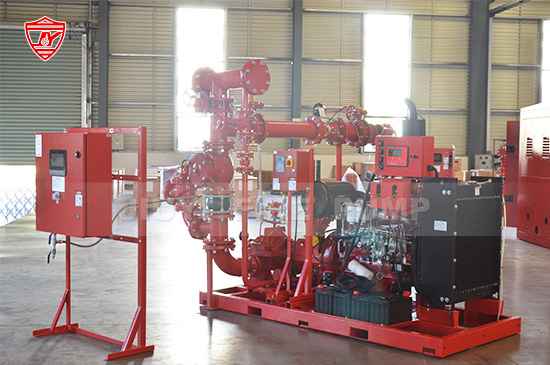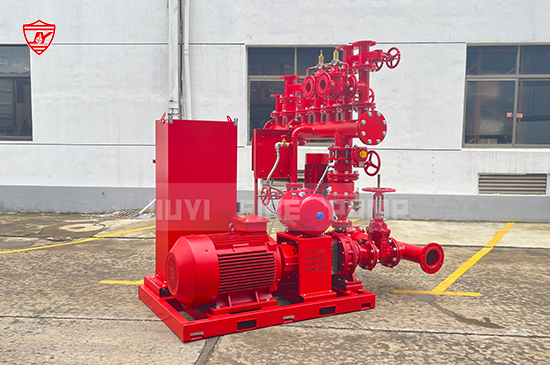
Fire pumps are the heart of every fire protection system. Whether installed in commercial buildings, manufacturing plants, warehouses, hospitals, airports, or industrial facilities, they are designed to operate immediately when a fire emergency occurs. Unlike many other types of equipment, a fire pump may remain idle for long periods before being called upon to perform under the most demanding conditions. Any unexpected failure or downtime can compromise the entire fire protection system and put lives, property, and business continuity at risk.
Reducing fire pump downtime is not simply about repairing equipment after a problem occurs. It requires a proactive approach that combines proper system design, regular inspections, preventive maintenance, performance testing, and timely replacement of worn components. Organizations that invest in these practices benefit from higher system reliability, lower maintenance costs, fewer emergency repairs, and greater confidence that their fire protection system will perform when needed.
This article explains the major causes of fire pump downtime and outlines practical strategies to maximize equipment availability and long-term reliability.
.jpg)
Fire pump downtime refers to any period during which a fire pump cannot perform its intended function. Downtime may be planned, such as during scheduled maintenance, or unplanned due to equipment failure, electrical issues, engine problems, or mechanical damage.
Unplanned downtime is especially dangerous because it often occurs without warning and may leave a building inadequately protected during an emergency.
The primary goal of maintenance professionals is to minimize unplanned downtime while ensuring the fire pump remains in peak operating condition throughout its service life.
Understanding why fire pumps fail is the first step toward preventing downtime.
One of the most common causes of downtime is neglected maintenance. Bearings wear out, seals deteriorate, lubricants lose effectiveness, and moving components gradually experience normal wear.
Without scheduled inspections, these small issues can develop into major failures that require costly repairs.
Electric fire pumps depend on reliable electrical power. Faulty wiring, damaged control panels, circuit breaker failures, or unstable voltage can prevent the pump from starting during an emergency.
Backup power systems should also be inspected regularly to ensure they operate correctly.
Diesel fire pumps provide critical protection where electrical power may not be dependable. However, diesel engines require additional maintenance.
Common issues include:
Failure to maintain the engine properly can result in starting failures when the pump is needed most.
Fire pumps often operate in humid mechanical rooms or outdoor environments where moisture accelerates corrosion.
Corrosion can damage:
Routine inspections help identify corrosion before structural damage occurs.
Rotating equipment naturally experiences wear over time.
Components such as bearings, impellers, mechanical seals, shafts, and couplings gradually deteriorate under normal operating conditions.
Replacing these parts before failure significantly reduces downtime.
Even the highest-quality fire pump can experience reliability problems if installed incorrectly.
Examples include:
Proper installation according to manufacturer recommendations helps prevent many long-term operational problems.
Preventive maintenance is the most effective strategy for reducing downtime.
Instead of waiting for equipment to fail, maintenance personnel inspect, service, and replace components before problems occur.
A comprehensive preventive maintenance program typically includes:
Keeping detailed maintenance records allows technicians to identify recurring issues and predict future service requirements.
Routine testing verifies that every component of the fire pump system functions correctly.
Weekly or monthly no-flow tests confirm the pump starts automatically and reaches proper operating speed.
Periodic flow testing provides additional information about system performance by measuring pressure, flow rate, and overall efficiency.
Testing also helps identify:
Early detection minimizes repair costs and reduces unexpected failures.
Condition monitoring has become an essential part of modern maintenance programs.
Instead of relying solely on scheduled inspections, maintenance teams continuously monitor equipment health using specialized tools.
Common monitoring methods include:
Excessive vibration often indicates bearing wear, shaft misalignment, imbalance, or mechanical looseness.
Detecting abnormal vibration early prevents catastrophic equipment failure.
Infrared thermography identifies overheating bearings, motors, electrical connections, and control panels before they fail.
For diesel engines and lubricated bearings, oil analysis can reveal contamination, metal particles, coolant leaks, and lubricant degradation.
Monitoring suction and discharge pressure helps identify clogged strainers, leaking valves, or declining pump efficiency.
Diesel fire pumps require additional attention because they include both the pump and the engine.
Routine engine maintenance should include:
Fuel quality is particularly important.
Diesel fuel stored for long periods may develop water contamination, microbial growth, or sediment that can clog filters and damage injectors.
Maintaining clean fuel significantly improves engine reliability.
Electric fire pumps rely on dependable electrical systems.
Maintenance personnel should inspect:
Loose electrical connections generate excessive heat that can lead to equipment failure.
Thermal imaging inspections can identify these issues before downtime occurs.
Pump and motor alignment directly affect equipment lifespan.
Even slight misalignment increases stress on:
Laser alignment tools provide highly accurate measurements that reduce vibration and extend component life.
Whenever motors, pumps, or couplings are replaced, alignment should be verified before returning the equipment to service.
Lubrication is often overlooked but plays a vital role in preventing downtime.
Using the correct lubricant at the recommended intervals reduces:
Over-lubrication can be just as harmful as under-lubrication, making it important to follow manufacturer specifications.
Lubrication schedules should be documented as part of the maintenance program.
Waiting for replacement components during an emergency repair can extend downtime from hours to weeks.
Facilities should maintain an inventory of commonly replaced components, including:
Selecting genuine replacement parts helps maintain original equipment performance and reliability.
Even advanced fire pump systems require knowledgeable technicians.
Regular training helps maintenance teams:
Well-trained personnel can often identify developing problems before they become serious failures.
Maintenance records provide valuable information throughout the equipment's lifecycle.
A complete maintenance history should include:
Historical data makes it easier to identify recurring issues and optimize maintenance schedules.
Many facilities now use computerized maintenance management systems (CMMS) to organize maintenance activities and schedule inspections automatically.
Older fire pumps may continue operating for many years, but aging equipment generally requires more frequent maintenance.
If downtime becomes increasingly common, upgrading components may provide better long-term value than repeated repairs.
Possible upgrades include:
Modern fire pump systems often include diagnostic functions that help maintenance teams identify issues before failures occur.
The reliability of a fire pump begins with its design and manufacturing quality.
Choosing an experienced manufacturer provides several long-term advantages:
Manufacturers with extensive experience in fire protection applications can also recommend maintenance schedules, system upgrades, and troubleshooting procedures based on actual operating conditions.
Selecting a trusted manufacturing partner contributes significantly to reducing lifecycle costs and maximizing system reliability.
.jpg)
Reducing fire pump downtime requires more than occasional inspections. It demands a comprehensive maintenance strategy built around preventive care, routine testing, condition monitoring, proper installation, quality components, and skilled maintenance personnel.