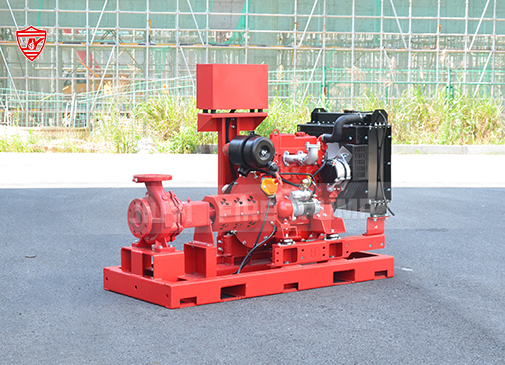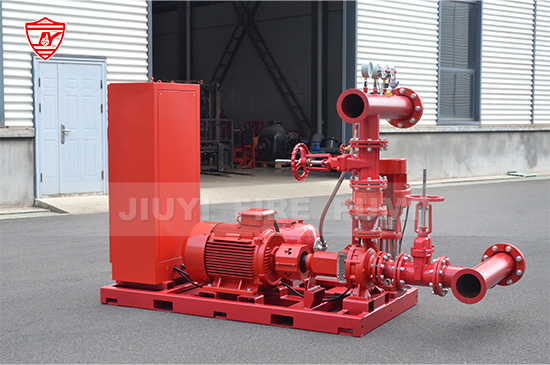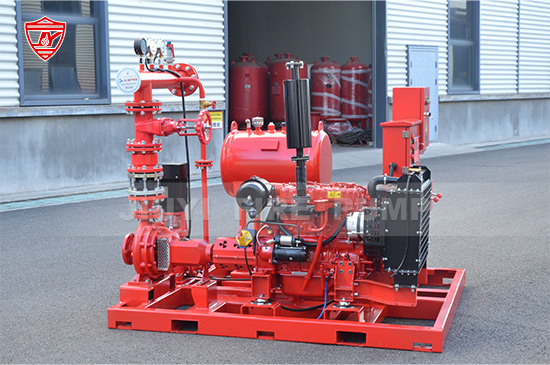
Fire pump flow testing is one of the most critical steps in ensuring the reliability of a fire protection system. For contractors, consultants, and facility owners, accurately verifying flow test results is essential to confirm that a fire pump performs as designed under real conditions. Incorrect interpretation of results can lead to compliance failures, safety risks, or costly rework.
This article provides a comprehensive guide to verifying fire pump flow test results, identifying common errors, and ensuring your system meets required standards.
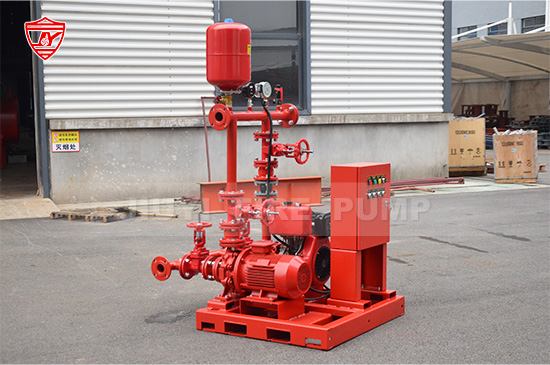
Why Accurate Flow Test Verification Matters
A fire pump is the heart of any fire protection system. Its performance determines whether sufficient water will be delivered during an emergency. Flow testing verifies three key parameters:
-
Flow rate (GPM or m³/h)
-
Pressure (psi or bar)
-
Pump performance curve compliance
Accurate verification ensures:
-
Compliance with fire safety standards
-
Proper system design validation
-
Early detection of installation or equipment issues
-
Reliable operation during emergencies
Failure to properly verify test results can result in underperforming systems that may not meet real fire demands.
Understanding Fire Pump Performance Requirements
Before verifying results, it is essential to understand the required performance criteria for fire pumps.
Most fire pumps are tested at three key points:
1. Churn (Shutoff) Condition
-
Pump running at zero flow
-
Maximum pressure condition
-
Pressure should not exceed 140% of rated pressure
2. Rated Flow (100%)
-
Pump delivers its rated capacity
-
Pressure should be at least 100% of rated pressure
3. Overload (150% Flow)
-
Pump operates at 150% of rated capacity
-
Pressure should not fall below 65% of rated pressure
These three points form the basis of verifying whether a pump meets its design curve.
Preparing for Accurate Flow Testing
Accurate verification begins before the test itself. Improper setup can lead to incorrect results regardless of measurement quality.
1. Ensure Proper Instrument Calibration
All measurement instruments must be calibrated:
-
Pressure gauges
-
Flow meters
-
Tachometers (for diesel pumps)
Using uncalibrated equipment can introduce significant errors in test data.
2. Verify Test Equipment Setup
Common flow measurement methods include:
-
Flow meter (magnetic or ultrasonic)
-
Test header with calibrated nozzles
Ensure:
-
Nozzle sizes are correct
-
Discharge coefficients are known
-
Flow meter is properly installed and free from turbulence
3. Check System Conditions
-
Valves must be fully operational
-
Suction supply must be adequate
-
No air pockets in piping
-
System fully primed
Poor suction conditions can distort test results significantly.
Step-by-Step Verification of Flow Test Results
Once the test is completed, verification begins by analyzing collected data.
Step 1: Record Accurate Data
For each test point, record:
-
Flow rate
-
Discharge pressure
-
Suction pressure
-
Pump speed (RPM)
-
Water source level
Accurate data recording is the foundation of reliable verification.
Step 2: Calculate Net Pump Pressure
Net pressure is calculated as:
Net Pressure = Discharge Pressure – Suction Pressure
This value represents the actual pressure generated by the pump.
Failure to consider suction pressure is a common mistake that leads to incorrect conclusions.
Step 3: Plot the Pump Curve
Plot the following points on a graph:
-
Flow (horizontal axis)
-
Net pressure (vertical axis)
Compare the measured curve with the manufacturer’s certified pump curve.
Verification checks:
-
Does the curve match expected performance?
-
Are the three test points within acceptable limits?
Step 4: Compare Against Acceptance Criteria
Check each test point:
Churn Test
-
Pressure ≤ 140% of rated pressure
Rated Flow
-
Pressure ≥ 100% of rated pressure
150% Flow
-
Pressure ≥ 65% of rated pressure
If any of these conditions are not met, further investigation is required.
Step 5: Verify Pump Speed
Pump speed directly affects performance:
-
Electric pumps should run at rated speed
-
Diesel pumps must maintain governed speed under load
If speed deviates:
-
Pressure and flow results will be inaccurate
-
Adjustments or corrections are required
Step 6: Evaluate Suction Conditions
Poor suction conditions can lead to:
-
Cavitation
-
Reduced flow
-
Fluctuating pressure
Check:
-
Suction pressure readings
-
Water source capacity
-
Pipe sizing and layout
A pump may appear underperforming when the issue is actually suction-related.
Common Errors in Flow Test Verification
Even experienced professionals can make mistakes when verifying results. Below are the most common errors.
1. Ignoring Suction Pressure
Using discharge pressure alone gives an incorrect representation of pump performance. Always calculate net pressure.
2. Incorrect Nozzle Calculations
For test headers:
-
Each nozzle has a specific K-factor
-
Incorrect values result in wrong flow calculations
Always confirm nozzle calibration.
3. Instrument Inaccuracy
Uncalibrated gauges can lead to:
-
False pass results
-
Incorrect failure conclusions
Always verify calibration certificates before testing.
4. Testing at Incorrect Speeds
Pump performance is based on rated speed. Testing at different speeds invalidates results.
5. Air in the System
Air pockets can cause:
-
Pressure fluctuations
-
Reduced flow readings
Ensure proper venting before testing.
6. Inadequate Water Supply
If the water source cannot supply sufficient flow:
-
Test results will not reflect actual pump capability
Always confirm water availability before testing.
How to Troubleshoot Failed Test Results
If a fire pump does not meet performance criteria, a systematic approach is required.
1. Recheck Measurements
-
Verify instrument calibration
-
Repeat readings
-
Check for human errors
2. Inspect Pump Rotation
Incorrect rotation leads to:
-
Reduced performance
-
Potential damage
Confirm rotation direction before testing.
3. Evaluate System Losses
Excessive friction loss in piping can reduce pressure:
-
Long piping runs
-
Undersized pipes
-
Multiple fittings
4. Check Impeller Condition
Possible issues include:
-
Wear or damage
-
Incorrect trimming
-
Manufacturing defects
5. Verify Engine or Motor Performance
For diesel pumps:
-
Ensure engine reaches rated RPM
-
Check fuel system and governor
For electric pumps:
-
Confirm voltage and frequency stability
Best Practices for Accurate Verification
To ensure reliable and repeatable results, follow these best practices.
1. Follow Standard Testing Procedures
Always conduct tests according to recognized fire protection standards and manufacturer guidelines.
2. Use Certified Equipment
Invest in high-quality, calibrated instruments to minimize measurement errors.
3. Maintain Detailed Records
Document all test data, including:
-
Environmental conditions
-
Equipment used
-
Calibration certificates
This helps in audits and future maintenance.
4. Train Personnel
Ensure technicians understand:
-
Testing procedures
-
Calculation methods
-
Common pitfalls
Skilled personnel significantly reduce errors.
5. Conduct Periodic Testing
Regular testing ensures long-term reliability and early detection of performance degradation.
Importance of Manufacturer Support
Working with a reliable fire pump manufacturer plays a critical role in accurate verification.
A professional manufacturer provides:
-
Certified performance curves
-
Technical support during testing
-
Guidance on troubleshooting
-
Compliance with international standards
Choosing a trusted supplier ensures that your pump is designed and tested for real-world performance.
Conclusion
Accurate verification of fire pump flow test results is essential for ensuring the effectiveness of a fire protection system. By understanding performance requirements, using proper testing methods, and carefully analyzing data, you can confirm whether a fire pump meets its design specifications.
The key to reliable verification lies in attention to detail:
-
Use calibrated instruments
-
Calculate net pressure correctly
-
Compare results with certified curves
-
Identify and eliminate testing errors
For manufacturers, contractors, and facility owners, proper flow test verification is not just a regulatory requirement—it is a critical step in protecting lives and property.
By following the guidelines outlined in this article, you can ensure that your fire pump system delivers the performance needed when it matters most