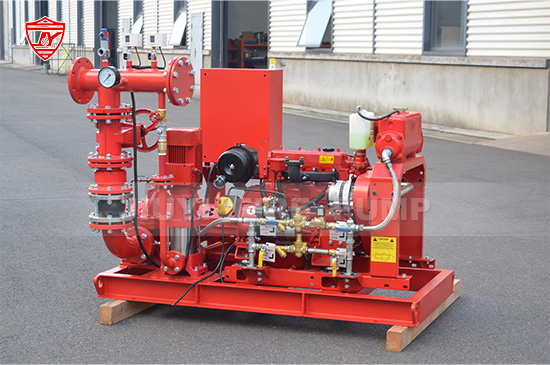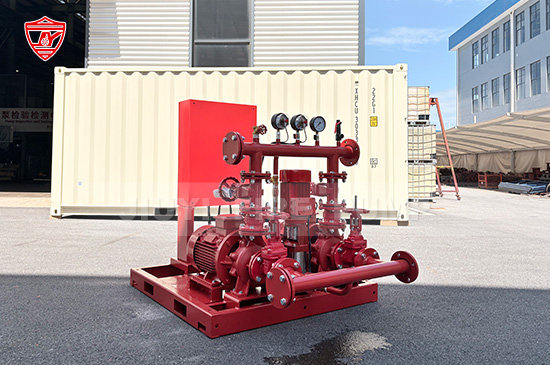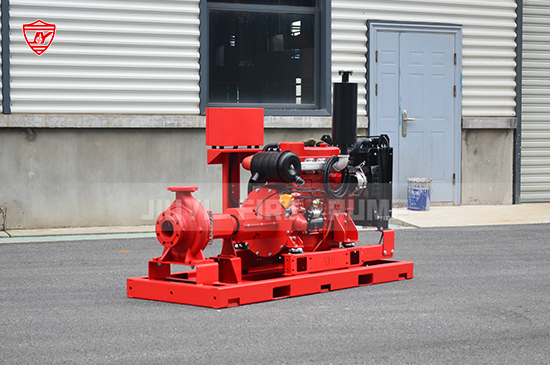
Fire pumps are critical components of any fire protection system, ensuring a reliable water supply during emergencies. However, one of the most common operational issues faced by fire pump systems is shaft seal leakage. If not addressed in time, leakage can lead to equipment failure, reduced system pressure, and even system shutdown during a fire emergency.
For manufacturers, contractors, and facility managers, understanding how to prevent shaft seal leakage is essential to maintaining system performance, compliance, and safety. This article explores the causes of fire pump shaft seal leakage and provides actionable strategies to prevent it.
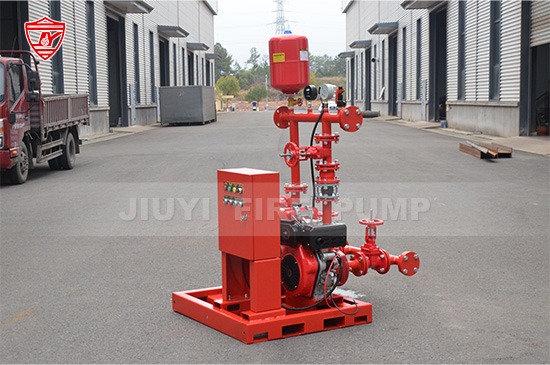
The shaft seal is a key component that prevents water from leaking out of the pump casing where the rotating shaft exits. In fire pumps, two main types of shaft sealing systems are commonly used:
Mechanical seals
Packing seals (gland packing)
Mechanical seals are more common in modern fire pump systems due to their efficiency and low maintenance requirements. Packing seals are still used in certain applications due to their simplicity and tolerance for harsh conditions.
Regardless of the type, the primary function remains the same: maintain pressure integrity and prevent leakage while allowing the shaft to rotate smoothly.
Shaft seal leakage is not just a minor inconvenience. It can cause several operational and safety problems:
Loss of system pressure during operation
Damage to bearings and other components
Increased maintenance costs
Risk of pump failure during fire emergencies
Non-compliance with fire protection standards
In fire protection systems, reliability is non-negotiable. Even minor leakage can escalate into major system failure if ignored.
Understanding the root causes of leakage is the first step toward prevention.
Incorrect installation is one of the most frequent causes of seal failure. Misalignment, improper tightening, or incorrect assembly can damage the seal from the beginning.
If the pump shaft is not properly aligned with the motor or driver, it creates uneven pressure on the seal, leading to premature wear and leakage.
Mechanical seals rely on a thin film of liquid for lubrication and cooling. Running the pump without adequate water can quickly damage the seal faces.
Vibration caused by imbalance, cavitation, or poor installation can loosen seal components and lead to leakage.
Water containing debris, sand, or chemicals can erode the seal surfaces, reducing their effectiveness over time.
All seals have a limited lifespan. Continuous operation, especially under harsh conditions, will eventually cause wear and leakage.
Using the wrong type of seal for the application, pressure, or temperature can lead to early failure.
Preventing shaft seal leakage requires a combination of proper installation, routine maintenance, and correct system design. Below are the most effective strategies.
Proper installation is critical to seal performance.
Follow manufacturer guidelines strictly
Avoid over-tightening or under-tightening
Ensure clean installation conditions
Use proper tools and techniques
A small installation error can significantly shorten the life of the seal.
Alignment is essential for minimizing stress on the seal.
Perform alignment checks during installation
Use laser alignment tools if available
Recheck alignment after transportation or maintenance
Misalignment is a hidden issue that often leads to repeated seal failures.
Dry running is one of the fastest ways to destroy a mechanical seal.
Always ensure the pump is fully primed before starting
Install automatic protection systems if possible
Monitor suction conditions to prevent loss of water
Operators should never run the pump without confirming proper water supply.
Excessive vibration damages not only seals but the entire pump system.
Ensure the pump is mounted on a stable foundation
Balance rotating components
Regularly inspect for cavitation or mechanical issues
Vibration analysis can help detect problems before they lead to leakage.
Water quality has a direct impact on seal lifespan.
Install strainers or filters to remove debris
Flush the system periodically
Use corrosion-resistant materials when necessary
Clean water reduces wear and extends seal life.
Routine inspection is the most effective way to prevent leakage.
Check for early signs of leakage
Monitor temperature and vibration
Replace worn seals before failure
Preventive maintenance is far more cost-effective than emergency repairs.
Choosing the correct seal is essential.
Consider pressure and temperature conditions
Evaluate water quality
Choose materials compatible with the fluid
For fire pumps, reliability should always be the top priority when selecting components.
Mechanical seals require proper lubrication to function correctly.
Ensure adequate fluid flow to the seal faces
Avoid overheating
Monitor operating conditions regularly
Lack of lubrication leads to rapid seal failure.
Human error is a major factor in equipment failure.
Provide proper training for installation and operation
Establish standard operating procedures
Ensure quick response to abnormal conditions
Well-trained personnel can prevent many common issues.
Compliance with recognized standards ensures system reliability.
For example, fire pump systems designed according to NFPA 20 guidelines include requirements for installation, testing, and maintenance that help minimize risks such as seal leakage.
Following these standards not only improves performance but also ensures regulatory compliance.
Early detection can prevent major damage. Watch for these warning signs:
Visible water leakage near the shaft
Unusual noise or vibration
Increased temperature around the seal area
Reduced pump performance
Frequent need for seal adjustment
Ignoring these signs can lead to complete seal failure.
Both sealing systems have advantages and limitations.
Mechanical seals:
Low leakage
Less maintenance
Higher efficiency
More sensitive to dry running
Packing seals:
Simple design
More tolerant to harsh conditions
Require regular adjustment
Allow controlled leakage
The choice depends on the specific application and operating conditions. For most modern fire pump systems, mechanical seals are preferred due to their efficiency and reliability.
To ensure long-term performance of fire pump seals, consider the following best practices:
Use high-quality components from reliable manufacturers
Implement a preventive maintenance schedule
Keep detailed maintenance records
Monitor system performance continuously
Replace seals proactively rather than reactively
A proactive approach reduces downtime and ensures readiness during emergencies.
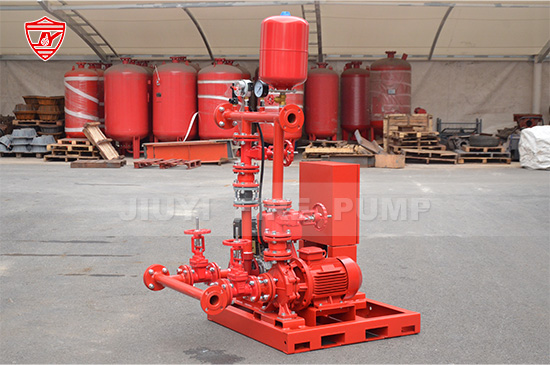
Fire pump shaft seal leakage is a common but preventable issue. By understanding the causes and implementing proper installation, maintenance, and operational practices, you can significantly reduce the risk of leakage and extend the life of your fire pump system.
For manufacturers and system operators, reliability is the ultimate goal. A well-maintained fire pump not only protects property but also saves lives. Preventing shaft seal leakage is a crucial step toward ensuring that your fire protection system performs when it matters most.