Diesel fire pumps are mission-critical assets in commercial, industrial, and infrastructure fire protection systems. Unlike standard industrial pumps, they often sit idle for long periods and must start instantly during emergencies. Because of this unique operating profile—periodic testing combined with high-demand emergency operation—certain components experience accelerated wear.
Understanding which parts wear out fastest in diesel fire pumps allows facility managers, contractors, and fire protection engineers to implement smarter maintenance strategies, reduce unexpected failures, and extend system life.
This article explains the most failure-prone components, why they degrade, and how to protect your investment.
1. Batteries and Starting System Components
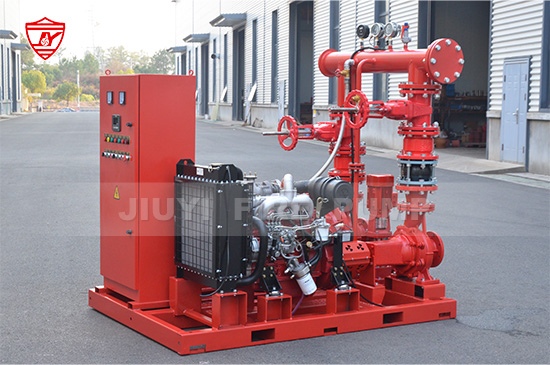
In diesel fire pump systems compliant with NFPA 20, dual batteries are required to ensure reliable starting. Ironically, the starting system is one of the most common points of failure.
Why They Wear Out Fast
-
Weekly test starts cause repeated charge-discharge cycles
-
Long idle periods lead to sulfation
-
Improper charger settings reduce battery lifespan
-
Temperature extremes degrade performance
Even when the diesel engine itself is in perfect condition, weak batteries can prevent startup. Corroded terminals, degraded cables, and faulty battery chargers also contribute to starting failures.
Best Practice
-
Test voltage under load, not just at rest
-
Inspect terminals for corrosion monthly
-
Replace batteries proactively (typically every 2–3 years)
-
Verify automatic charger functionality
The starting system is small compared to the engine, but it carries the highest operational risk.
2. Cooling System Components
Diesel fire pumps operate under heavy load during emergencies. The cooling system ensures temperature control during extended operation.
Common cooling system wear parts include:
-
Radiators
-
Heat exchangers
-
Coolant hoses
-
Thermostats
-
Water pumps
Why They Wear Out Fast
-
Coolant degradation over time
-
Corrosion inside heat exchangers
-
Vibration stress on hoses
-
Mineral buildup in raw water cooling systems
In many installations, especially vertical turbine diesel fire pumps, heat exchangers using raw water are vulnerable to scale accumulation and corrosion.
Failure Consequences
Overheating during a fire event can cause automatic shutdown or engine damage. Because fire pumps must run continuously once started, cooling reliability is essential.
Best Practice
-
Replace coolant according to manufacturer schedule
-
Inspect hoses for cracks or softness
-
Flush heat exchangers periodically
-
Monitor temperature during weekly tests
3. Fuel System Components
Fuel systems are another high-risk area in diesel fire pump reliability.
Key wear components include:
-
Fuel injectors
-
Fuel lift pumps
-
Fuel filters
-
Fuel lines
-
Fuel return valves
Why They Wear Out Fast
-
Fuel contamination
-
Water accumulation in tanks
-
Microbial growth in stored diesel
-
Long fuel storage without polishing
Diesel fire pumps often store fuel for extended periods. Over time, fuel quality degrades, forming sludge and sediments that clog filters and injectors.
Common Issues
-
Hard starting
-
Rough running during test
-
Reduced engine performance
-
Injector wear
Best Practice
-
Drain water from tanks regularly
-
Replace fuel filters as scheduled
-
Test fuel annually
-
Keep tanks above recommended fill level to reduce condensation
Clean fuel is critical for long-term engine reliability.
4. Belts and Rubber Components
Drive belts and rubber hoses degrade faster than metal components.
Affected parts include:
-
Alternator belts
-
Water pump belts
-
Radiator hoses
-
Flexible couplings
Why They Wear Out Fast
-
Heat cycling
-
Engine vibration
-
Aging and cracking
-
Oil contamination
Even if the engine runs only during weekly tests, rubber components naturally degrade over time due to environmental exposure.
Warning Signs
-
Cracking
-
Glazing
-
Fraying
-
Slack tension
A failed belt during operation can disable the alternator or water pump, leading to overheating or electrical failure.
Best Practice
-
Inspect visually during weekly testing
-
Replace belts proactively every few years
-
Check tension regularly
5. Mechanical Seals and Pump Packing
On the pump side—not just the engine—mechanical seals and packing materials are among the fastest-wearing components.
Why They Wear Out Fast
-
Shaft rotation during weekly tests
-
Dry running during improper priming
-
Misalignment
-
Vibration
In horizontal split-case or end-suction diesel fire pumps, seal degradation may lead to leakage and eventual bearing damage.
Consequences
-
Water leakage
-
Shaft scoring
-
Bearing contamination
-
Reduced pump efficiency
Best Practice
-
Monitor for leaks during test runs
-
Ensure proper alignment
-
Avoid dry operation
-
Follow manufacturer lubrication guidelines
6. Bearings
Both engine and pump bearings are subject to wear.
Causes of Bearing Wear
-
Misalignment
-
Insufficient lubrication
-
Contamination
-
Excessive vibration
Because fire pumps must operate at full rated capacity during emergencies, bearings must handle continuous high-load conditions.
If bearing wear is ignored, it can result in:
-
Shaft damage
-
Impeller misalignment
-
Catastrophic pump failure
Routine vibration analysis and temperature monitoring significantly extend bearing life.
7. Exhaust System Components
Diesel fire pumps produce significant exhaust heat. Exhaust manifolds, flexible connectors, and mufflers degrade over time.
Why They Wear Out Fast
-
High thermal stress
-
Corrosion from condensation
-
Outdoor installation exposure
Exhaust leaks can affect engine efficiency and create safety hazards in pump rooms.
Regular inspection ensures safe and compliant operation.
8. Engine Oil and Lubrication System Components
While oil itself is replaced regularly, related components also experience wear:
-
Oil filters
-
Oil pumps
-
Gaskets
-
Seals
Oil degradation leads to increased internal friction and accelerated engine wear.
Weekly testing means oil contamination occurs even without emergency operation.
Best Practice
-
Follow oil change intervals strictly
-
Analyze oil condition periodically
-
Inspect for leaks
9. Controllers and Electrical Relays
Though diesel-driven, fire pumps rely heavily on electrical control panels.
High-wear electrical components include:
-
Relays
-
Timers
-
Sensors
-
Pressure switches
Frequent weekly testing cycles cause mechanical relays to wear faster than expected.
Controller failure can prevent automatic startup, even when the engine is healthy.
Preventive Action
-
Conduct annual controller inspection
-
Replace aging relays
-
Verify alarm functionality
Why Diesel Fire Pump Wear Is Different from Other Engines
Unlike construction or industrial diesel engines that run daily, diesel fire pumps experience:
-
Long idle periods
-
Frequent short test cycles
-
Rare but extreme emergency loads
This combination causes unique wear patterns:
-
Corrosion during inactivity
-
Condensation inside systems
-
Battery discharge
-
Seal hardening
Understanding this operational profile is essential for maintenance planning.
Preventive Maintenance Strategy for Maximum Reliability
To reduce wear-related failures:
1. Follow a Strict Weekly Test Routine
-
Monitor oil pressure
-
Check coolant temperature
-
Observe vibration
-
Inspect for leaks
2. Implement Quarterly Inspections
-
Battery load testing
-
Fuel quality inspection
-
Belt tension checks
-
Controller diagnostics
3. Conduct Annual Comprehensive Service
-
Replace wear-prone components
-
Flush cooling systems
-
Replace filters
-
Inspect pump alignment
Preventive replacement is far less costly than emergency downtime.
How Proper Component Selection Extends Service Life
Not all diesel fire pumps are built equally. Component quality significantly impacts wear rate.
Key design factors include:
-
High-grade mechanical seals
-
Industrial-rated bearings
-
Corrosion-resistant heat exchangers
-
Reliable UL-listed controllers
-
Proper engine sizing for duty cycle
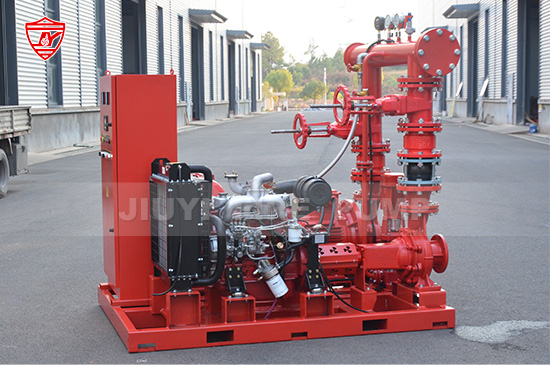
Selecting a well-engineered diesel fire pump reduces long-term maintenance costs and improves system dependability.
Final Thoughts
Diesel fire pumps are built for reliability—but reliability depends on understanding wear.
The fastest-wearing components are typically:
-
Batteries and starting systems
-
Cooling system parts
-
Fuel system components
-
Belts and rubber hoses
-
Mechanical seals and bearings
-
Controllers and relays
Each of these components experiences stress due to periodic testing, long idle time, and emergency load demands.
By identifying wear-prone parts early and implementing structured preventive maintenance, facility managers and fire protection professionals can dramatically reduce failure risk and extend system life.
In fire protection, reliability is not optional. Proactive maintenance of diesel fire pump wear parts ensures that when a fire emergency occurs, the system performs exactly as designed.