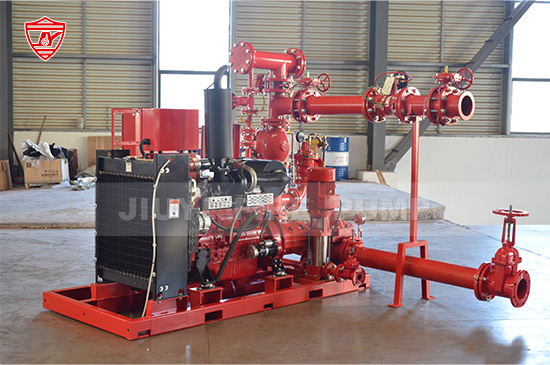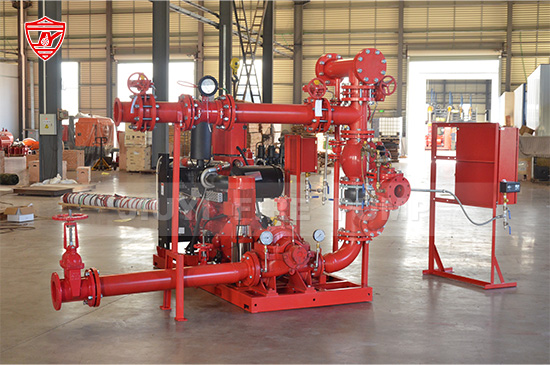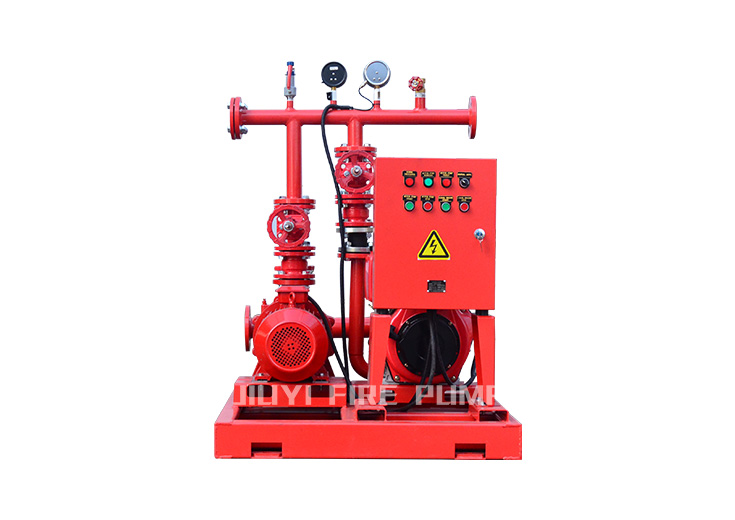
A fire pump fails to start is one of the most serious issues a fire protection system can face. When a fire emergency occurs, the pump must start immediately and deliver rated pressure and flow. A delayed start, hard start, or complete failure can compromise the entire fire suppression system and put property and lives at risk.
For contractors, facility managers, and fire protection engineers, understanding how to systematically diagnose a fire pump not starting is critical. This guide provides a structured, step-by-step approach to identifying root causes in both electric and diesel fire pump systems.
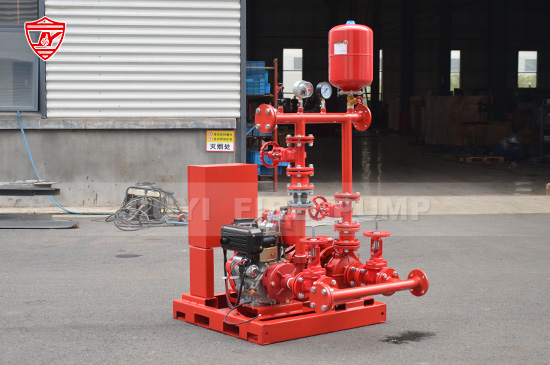
Fire pumps are typically installed in accordance with NFPA 20 standards and are designed for automatic operation. Most systems are configured to start when:
Pressure drops below the set point
A remote manual start is activated
The test header valve is opened
The controller start button is pressed
If the pump does not start under these conditions, the issue must be investigated immediately. Even if the system appears normal during visual inspection, hidden electrical, mechanical, or control faults may exist.
Before troubleshooting, confirm whether the system is:
Electric motor-driven fire pump
Diesel engine fire pump
Vertical turbine fire pump
Split case fire pump
End suction fire pump
Each configuration has different starting components and potential failure points. However, the diagnosis logic remains structured and systematic.
For electric fire pump problems, the most common root cause is power-related.
Check:
Main breaker position
Utility supply availability
Voltage at line terminals
Phase balance
Use a multimeter to measure voltage across all phases. Compare readings with motor nameplate ratings.
Common issues include:
Tripped breaker
Blown fuses
Phase loss
Undervoltage
Loose cable terminations
Even slight voltage imbalance can prevent the motor from starting or trigger protective relays.
The controller plays a central role in fire pump troubleshooting.
Check for:
Alarm indicators
Fault codes
Emergency stop button engaged
Manual/Auto switch position
Controller lockout
Modern UL listed controllers often display detailed fault messages such as:
Overcurrent
Phase reversal
Low voltage
Ground fault
Always reset faults only after identifying and correcting the root cause.
If power supply is normal but the pump still does not start, inspect the control circuit.
Check:
Pressure switch operation
Control wiring continuity
Loose terminals
Damaged relays
Timer settings
Simulate a pressure drop by opening the test valve. Observe whether the controller registers the pressure drop signal.
If the controller does not receive the signal, the issue may lie in:
Pressure sensor failure
Blocked sensing line
Incorrect pressure setting
Wiring disconnection
If the controller sends a start signal but the motor does not rotate:
Check:
Contactor engagement
Motor winding resistance
Insulation resistance (Megger test)
Locked rotor condition
Mechanical obstruction
A seized pump shaft, bearing failure, or impeller jam can prevent rotation. Disconnect coupling (if applicable) to isolate motor from pump and determine whether the issue is electrical or mechanical.
Diesel engine fire pump systems have additional mechanical and fuel-related factors.
When a diesel fire pump fails to start, check the following:
The majority of diesel starting failures are battery-related.
Inspect:
Battery voltage
Terminal corrosion
Charger operation
Battery age
Cable tightness
NFPA 20 requires dual batteries. Ensure both are functional and fully charged.
A weak battery may crank the engine slowly but fail to reach ignition speed.
Check:
Fuel tank level
Fuel shut-off valve
Fuel filter blockage
Air in fuel line
Air intrusion or clogged filters are common causes of diesel fire pump start failure.
Review controller display for alarms such as:
Low oil pressure
High coolant temperature
Overspeed
Failure to crank
Engine lockout
Modern diesel controllers log historical faults. Review past events to identify patterns.
Diesel engines include safety shutdown sensors. If one sensor falsely detects abnormal conditions, it may prevent starting.
Check:
Oil pressure switch
Coolant level sensor
Engine temperature sensor
Bypass testing should only be done temporarily and under professional supervision.
Sometimes the fire pump not starting is not electrical or engine-related but mechanical.
Check for:
Shaft misalignment
Bearing seizure
Impeller obstruction
Foreign object in casing
Corrosion inside pump
If the pump has been idle for extended periods without proper weekly testing, internal corrosion or mineral buildup can restrict movement.
Regular weekly churn testing significantly reduces this risk.
Improper pressure settings may cause the system to appear non-responsive.
Check:
Cut-in pressure setting
Cut-out pressure setting
Pressure gauge accuracy
Sensing line blockage
If the jockey pump is incorrectly set, it may prevent system pressure from dropping low enough to trigger the main fire pump.
This is a common coordination issue between jockey pump and main pump systems.
A well-maintained fire pump system rarely fails unexpectedly.
Review:
Weekly churn test logs
Monthly flow test reports
Battery voltage records
Controller alarm history
Maintenance checklist documentation
Patterns such as repeated low voltage alarms or recurring crank failures indicate developing issues.
Preventive maintenance is always more cost-effective than emergency repair.
Environmental conditions can also contribute to fire pump start failure.
Check for:
Room temperature below recommended limits
Excess humidity causing corrosion
Flooding in pump room
Rodent damage to wiring
Ventilation blockage (diesel systems)
Diesel engines especially require proper ventilation and cooling air circulation.
If all basic diagnostics have been performed and the issue remains unresolved, contact the fire pump manufacturer with:
Pump model number
Serial number
Controller model
Detailed fault description
Photos or video of the issue
Voltage readings or engine data
A professional manufacturer can often identify the issue quickly based on experience with similar cases.
As a manufacturer, we frequently see that structured troubleshooting reduces downtime dramatically compared to random part replacement.
Across hundreds of field cases, the most frequent reasons a fire pump fails to start are:
For Electric Fire Pumps:
Tripped breaker
Phase loss
Faulty pressure switch
Loose wiring
Controller lockout
For Diesel Fire Pumps:
Weak or failed batteries
Fuel system blockage
Charger malfunction
Air in fuel lines
Safety sensor fault
In most installations, the root cause is simple but overlooked during routine inspection.
Prevention requires:
Strict compliance with NFPA 20 testing requirements
Weekly no-flow (churn) testing
Monthly battery inspection
Annual full-flow performance testing
Regular controller inspection
Keeping detailed maintenance logs
Proper system commissioning is equally critical. Incorrect wiring, improper pressure calibration, and poor alignment during installation are leading contributors to long-term reliability issues.
When selecting a fire pump package, ensure it is factory-tested and supplied with complete documentation and technical support.
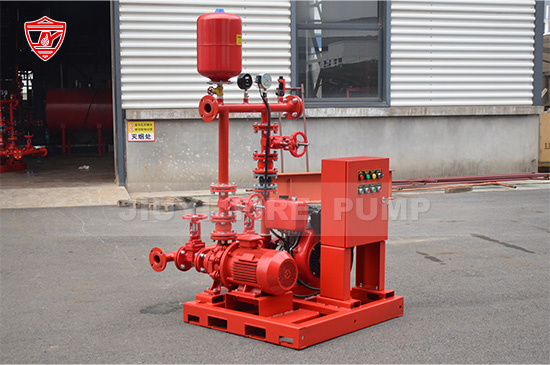
A fire pump fails to start is not just a technical inconvenience—it is a life safety risk. The key to effective fire pump troubleshooting is a logical, step-by-step approach that eliminates potential causes systematically.
Whether dealing with an electric motor fire pump or a diesel engine fire pump, always begin with power or battery verification, then move through controller diagnostics, control circuits, and mechanical inspection.
For fire protection professionals, reliability is non-negotiable. Proper design, quality manufacturing, and disciplined maintenance ensure that when the system is needed most, it performs without hesitation.